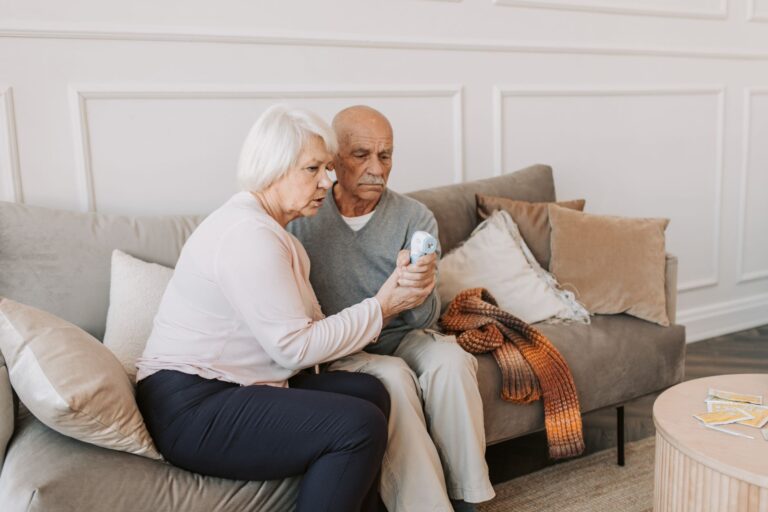
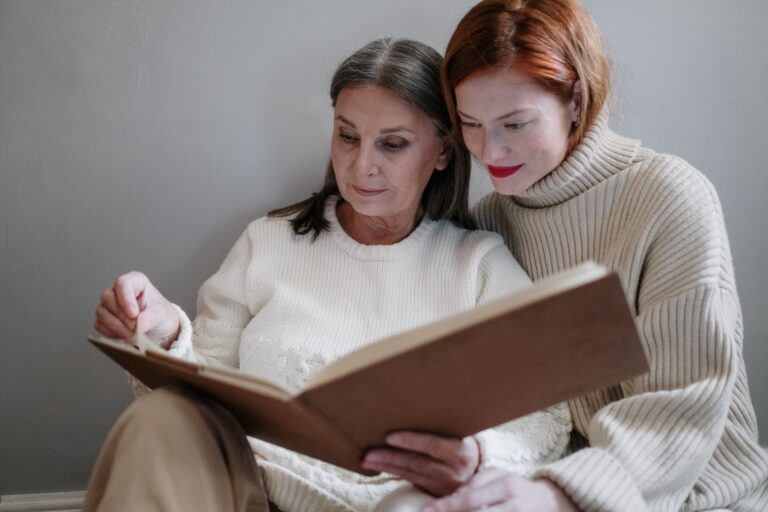
Old love letters can mean everything because they may open a path to affection, identity, and connection when ordinary conversation has become difficult. They are not a dementia treatment, but a familiar letter can create a meaningful moment for the person and family. Dementia is cognitive loss severe enough to disrupt daily life; it is not a normal part of aging. Alzheimer's disease is its most common type, according to the National Institute on Aging.
Medical information disclaimer: This article is for general educational purposes only and does not provide medical advice, diagnosis, or treatment. Always consult a physician or other qualified health professional about symptoms, medications, tests, or treatment decisions.
Table of Contents
- Why might an old letter create a connection?
- What does the evidence actually show?
- How can a family share a letter gently?
- What can the family gain from the moment?
- When should the letter be put away?
Why might an old letter create a connection?
A love letter is more than a record of events. Its handwriting, pet names, paper, and familiar stories can evoke a relationship and the feelings attached to it. People with Alzheimer's may retain older memories longer even as short-term memory becomes difficult.
Recognition still varies: a person may remember the writer, respond only to the emotion, or show no recognition at all. The Alzheimer's Association says familiar keepsakes can prompt pleasant memories, connection, joy, and less anxiety during reminiscence. Its reminiscence guidance does not promise that every object or memory will produce a positive response.
What does the evidence actually show?
Formal reminiscence therapy uses guided discussion of past experiences, often supported by photographs, music, or familiar objects. reading a letter together at home is an informal reminiscence activity, not necessarily clinician-led therapy. A Cochrane review examined 22 randomized trials involving 1,972 people, mostly with mild-to-moderate dementia. The programs varied widely and lasted from four weeks to two years.
The results were modest and inconsistent. Cognition improved only slightly immediately after therapy, with little or no longer-term difference. Quality-of-life findings were most promising in care homes, while large family-carer group programs produced the smallest effects, according to the Cochrane review. No trial cited here establishes that love letters specifically improve dementia outcomes. Their value lies in the possibility of comfort and connection, not disease reversal or proven clinical benefit.
How can a family share a letter gently?
Choose a calm time and treat the letter as an invitation, not a test. The aim is to spend time together, not to prove what the person remembers.
A response may be subtle. A smile, relaxed posture, repeated phrase, or willingness to keep listening can matter even without a clear account of the memory.
- Introduce it simply: "I found this letter and thought you might enjoy it."
- Let the person hold it, examine the handwriting, or listen as you read.
- Read a short passage rather than insisting on the entire letter.
- Respond to feelings instead of correcting names, dates, or details.
- Pause when attention fades, and switch activities if distress appears.
What can the family gain from the moment?
The letter may give relatives a concrete way to be present when questions such as "Do you remember?" no longer work well. It can shift attention from memory performance to companionship. It may also help family members preserve the person's story. A spouse might explain a private joke, while an adult child learns how their parents spoke to each other decades earlier.
That meaning belongs to the relationship, even when the person with dementia cannot describe it. These moments matter in a caregiving system that relies heavily on families. About 80% of U.S. adults with Alzheimer's or related dementias receive care at home, and more than 11 million adults provide unpaid dementia care, according to the CDC.
When should the letter be put away?
Not every old memory is comforting. A letter may involve grief, conflict, infidelity, wartime separation, or another experience the person does not want to revisit. Watch the response rather than pursuing the story.
If the person becomes tense, fearful, angry, tearful, or repeatedly asks to stop, put the letter away without demanding an explanation. Families should also respect privacy. Share intimate correspondence only with people who have a legitimate place in that personal history, and follow the person's lead about reading it aloud.