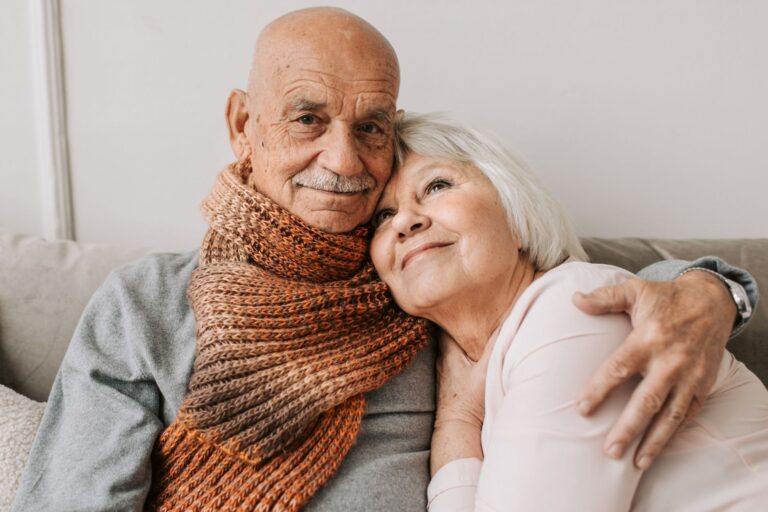
When someone with dementia says "I love you," the words often carry real emotional truth—not a memory of loving you, but a feeling happening in the moment. Even as cognitive abilities fade, the brain's emotional circuits remain largely intact, allowing people with dementia to experience and express genuine affection, connection, and care for those around them. These unexpected moments of verbal or physical affection can feel like a gift to caregivers, yet they also raise questions: What does this expression mean if the person doesn't remember yesterday? How can caregivers build on these moments? The answers center on understanding that emotion and memory operate on different tracks in dementia—and that honoring emotional connection may matter more than shared recall.
Medical information disclaimer: This article is for general educational purposes only and does not provide medical advice, diagnosis, or treatment. Always consult a physician or other qualified health professional about symptoms, medications, tests, or treatment decisions.
Table of Contents
- Why Emotion Outlasts Memory in Dementia
- How Connection Gets Expressed When Words Become Unclear
- What These Moments Mean for Caregiver Wellbeing
- How Caregivers Can Strengthen These Moments
- When the Connection Feels One-Sided
- Frequently Asked Questions
Why Emotion Outlasts Memory in Dementia
In Alzheimer's disease and other dementias, emotional memory remains intact even as other memories fade, according to research from Frontiers in Psychology. A person may not recall a specific conversation or your name, but they retain the emotional imprint of experiences and relationships—the feeling of being cared for, of safety, of love. This happens because emotional processing circuits in the brain, particularly the amygdala, are less vulnerable to neurodegeneration than memory and cognitive regions, as noted in Frontiers in Dementia.
The ability to feel and express emotions persists throughout dementia progression. A person who cannot tell you their grandchild's name may still light up at the sound of that grandchild's voice or reach out for a hand in distress. An "I love you" is often not nostalgia—it is present-moment feeling.
How Connection Gets Expressed When Words Become Unclear
As verbal communication becomes more challenging, people with dementia retain the ability to express emotions through non-verbal means including physical touch, facial expressions, and tone of voice, according to the National Center for Caregiver Development. A squeeze of the hand, a smile, or a calm or agitated tone can convey care, trust, discomfort, or joy without requiring intact memory or language.
An unexpected "I love you"—whether spoken in a moment of clarity, repeated without context, or expressed as a preference to be near you—reflects the preserved emotional truth. The feeling may not be attached to a specific memory or reason, but it is real in that moment. This distinction matters because it means caregivers can honor these expressions without needing the person with dementia to "remember why" they love them.
What These Moments Mean for Caregiver Wellbeing
Hearing affection from someone with dementia carries psychological weight for the people caring for them. Caregivers' relationship closeness with the person with dementia predicts both physical health outcomes and psychological well-being, with closer emotional bonds associated with lower depression and higher life satisfaction, according to research in PMC/NCBI.
These moments of connection are not sentimental footnotes—they shape caregiver health. Research also shows that caregivers who practice reminiscence therapy and emotional validation report feeling more connected to their partner and maintain a sense of shared identity as a couple despite cognitive decline, as documented in PMC/NCBI studies of spousal caregivers. When a caregiver can receive an "I love you" not as a sign that memory is intact, but as evidence that the emotional bond endures, it can anchor them during difficult seasons of caregiving.
How Caregivers Can Strengthen These Moments
Person-centered dementia care emphasizing emotional support over correcting memory deficits significantly reduces behavioral problems and agitation while improving quality of interactions, according to research in The Gerontologist. This means meeting the person where they are emotionally, rather than trying to restore or verify their recall. Practically, this translates to several concrete steps:.
- **Match their emotional tone.** Communication tone significantly affects behavior during care; residents with dementia displayed twice as much resistance to care when staff used elderspeak compared to normal conversational tone, according to PMC/NCBI research. Speak calmly and with respect to preserve dignity and openness.
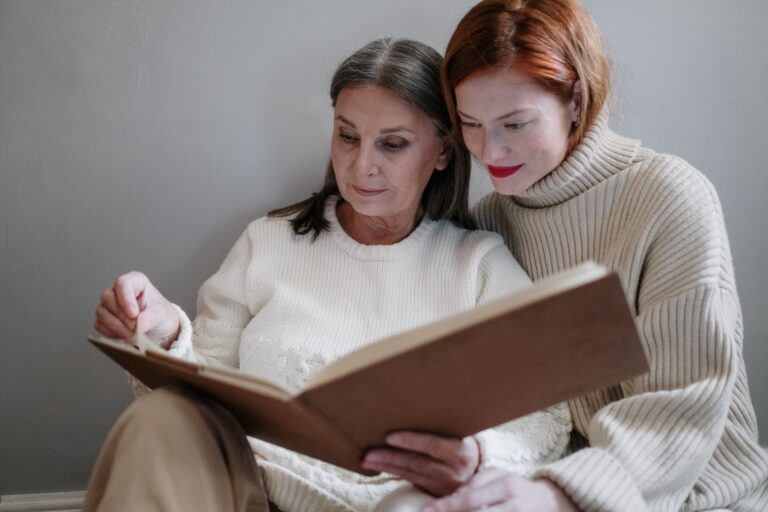
- **Create space for shared positive experiences.** Co-viewing emotionally positive audiovisual content with people with dementia induces physiological synchrony (aligned heart rates and stress responses) and measurably strengthens emotional bonds between caregivers and care recipients, as documented in Frontiers in Communication. Sharing music, photos, or gentle activities creates moments of felt connection.
- **Validate rather than correct.** If the person says "I love you" but adds a confused detail about the past, respond to the emotion first: "I love you too" or "I'm glad you're happy right now." Save clarifications for moments when they might matter to safety or comfort.
When the Connection Feels One-Sided
Caregivers sometimes struggle with ambivalent feelings: genuine relief or even joy at an "I love you," paired with grief that the person doesn't remember them, or awareness that affection may shift hour to hour. This is normal. The person with dementia is not withholding or performing—they are living entirely in present moments, each colored by their emotional state.
What matters is that these expressed moments are real for them and real for you, even if they don't last or don't follow logic. Holding both truths—that the emotion is genuine AND that it doesn't erase the losses of dementia—is part of caregiving reality. The affection you receive may be different from what you hoped for, but it is not false.
Frequently Asked Questions
If someone with dementia says "I love you" but doesn't remember me five minutes later, was the feeling real?
Yes. The emotional feeling in that moment was genuine, even if it wasn't attached to a continuous memory. Emotional circuits in the brain remain active independently of the memory systems that store facts and events. The "I love you" reflected their present emotional state.
Should I remind them that they just said this, or correct details in what they say?
Focus on responding to the emotion rather than correcting the record. A gentle "I love you too" honors the moment. Corrections can interrupt the connection and aren't necessary unless they affect immediate safety or comfort.
Can caregivers do anything to encourage these moments of affection?
Yes. Maintaining a calm, respectful tone; sharing positive activities or content together; and using reminiscence therapy—looking at photos, listening to familiar music—can strengthen emotional bonds and create conditions where affection is more likely to be expressed.