Step-by-Step Life Story Books for One-on-One Dementia Care
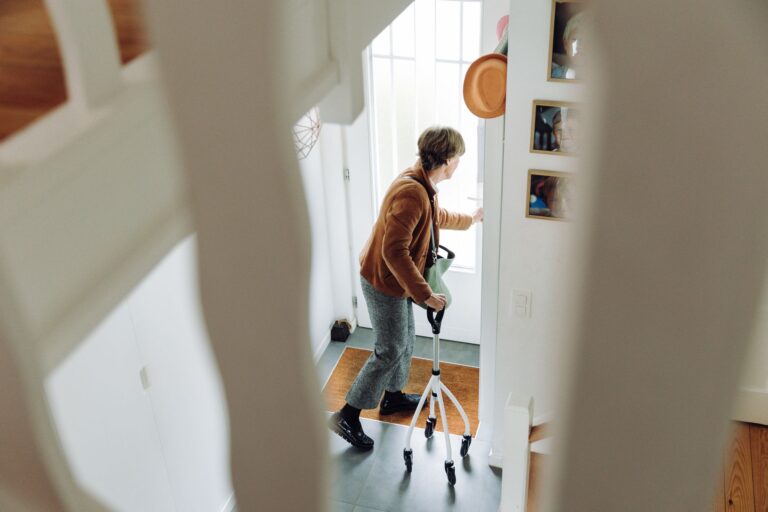
Make a personal dementia-care book in short sessions that guides daily talks and personal support.
Make a personal dementia-care book in short sessions that guides daily talks and personal support.
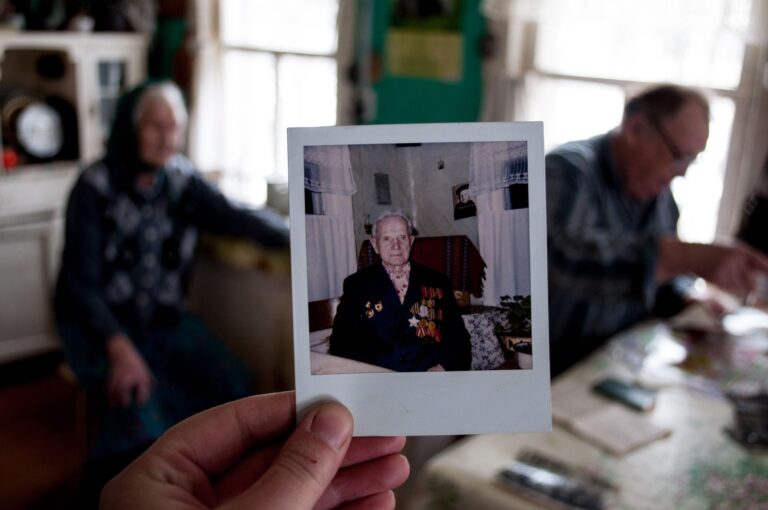
Learn what smiling, attention, restlessness and withdrawal mean during life story time, and how to respond calmly.
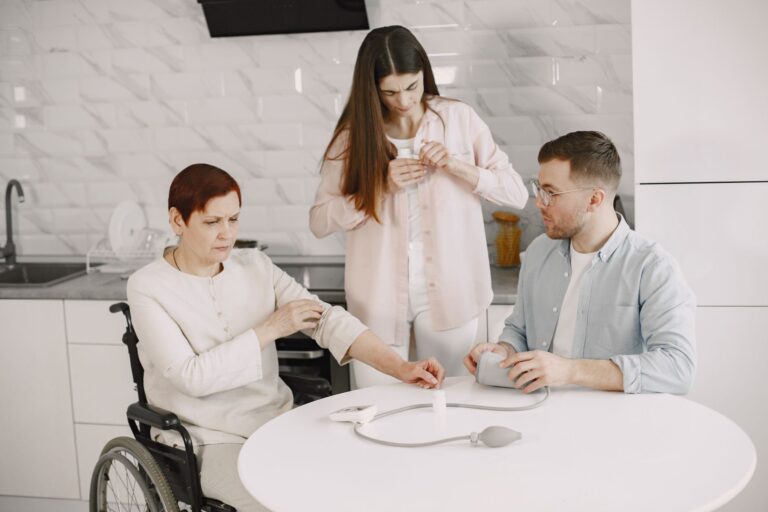
Short sessions, clear pages, and backup formats that make one-on-one life story time calm, personal, and useful.

Build an accessible life story book with useful prompts while protecting the person's comfort, choice, and privacy.
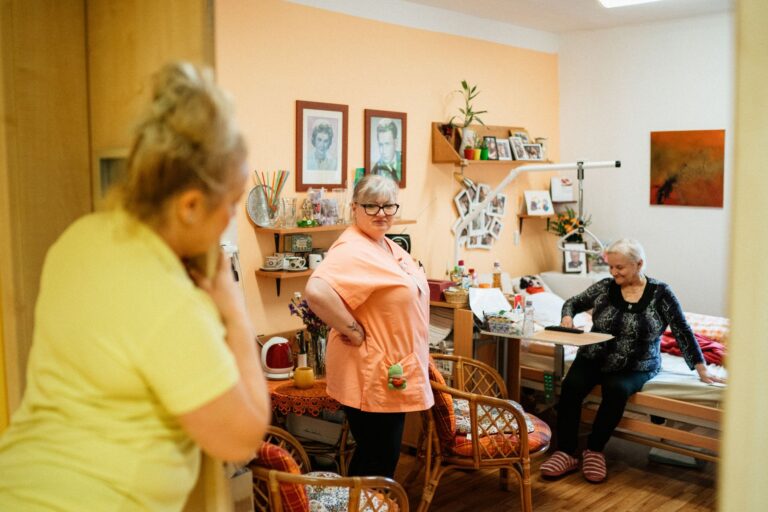
Learn how to replace fading interest in life story books with flexible, dignified group activities that invite connection.
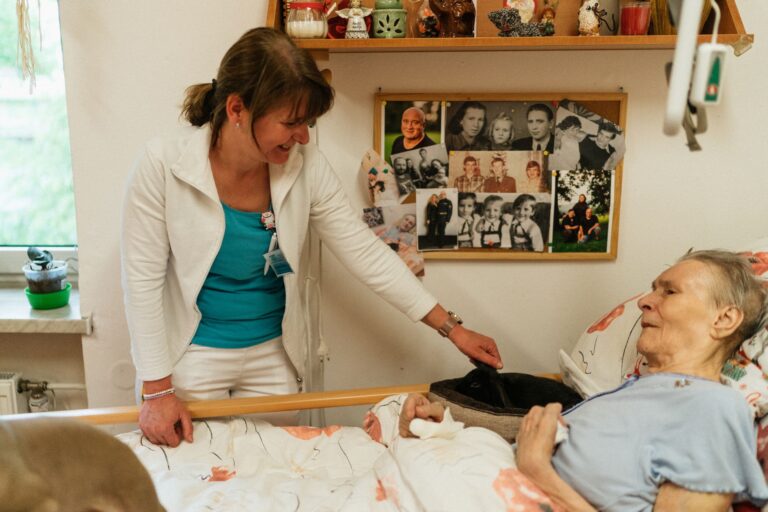
Use a weekly starting schedule, flexible session lengths, and person-led prompts to make life story groups safer and more engaging.
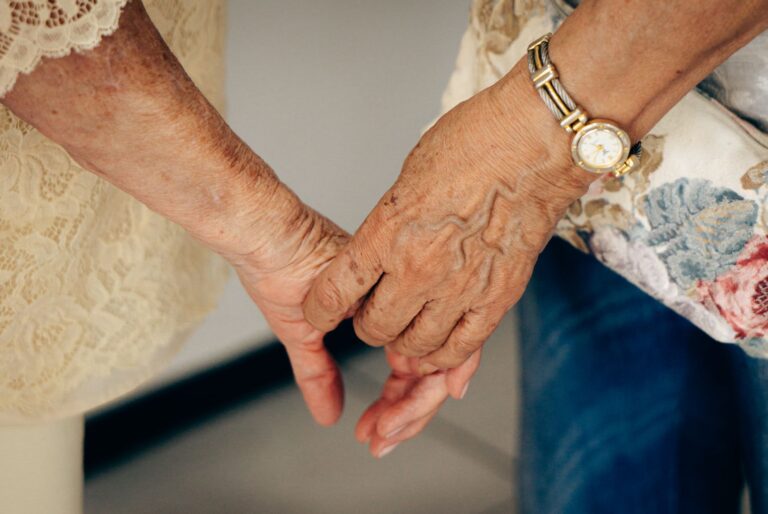
Create clearer, safer life story activities with short modules, simple pages, flexible prompts, and participant choice.
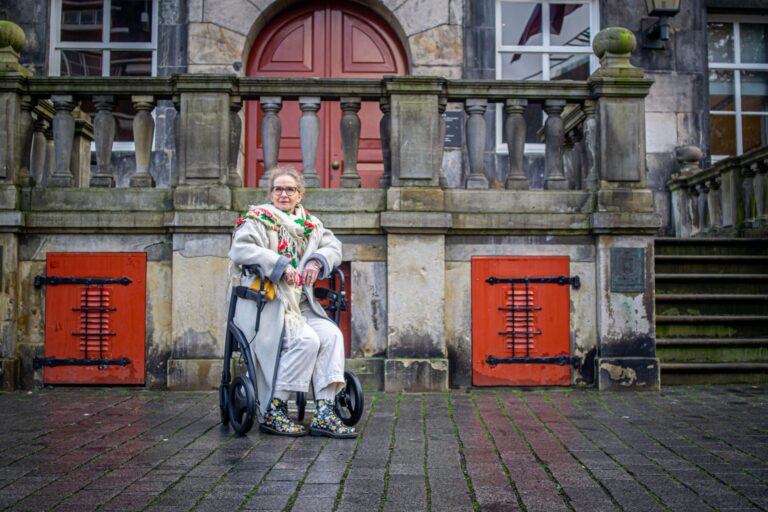
Create gentle, person-centred memory prompts through short sessions, simple pages, meaningful choices, and respectful group conversation.

Learn how to spot meaningful participation, respond to distress, and shape life-story groups around each resident's comfort.

Learn how to turn personal life story books into calm, inclusive group activities that invite connection without testing memory.
HelpDementia.com
Dementia, Alzheimer's, Caregiving & Healthy Aging Guidance
© 2026 HelpDementia.com. All rights reserved.
Educational information only. It is not medical advice and does not replace care from a qualified clinician.