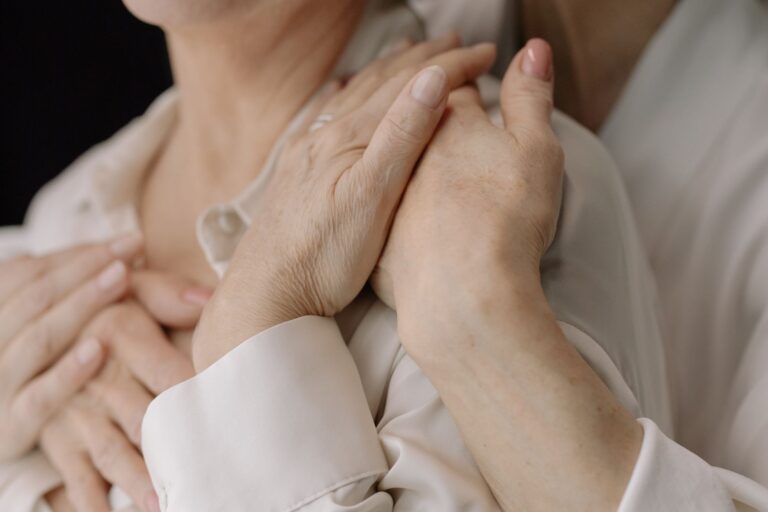
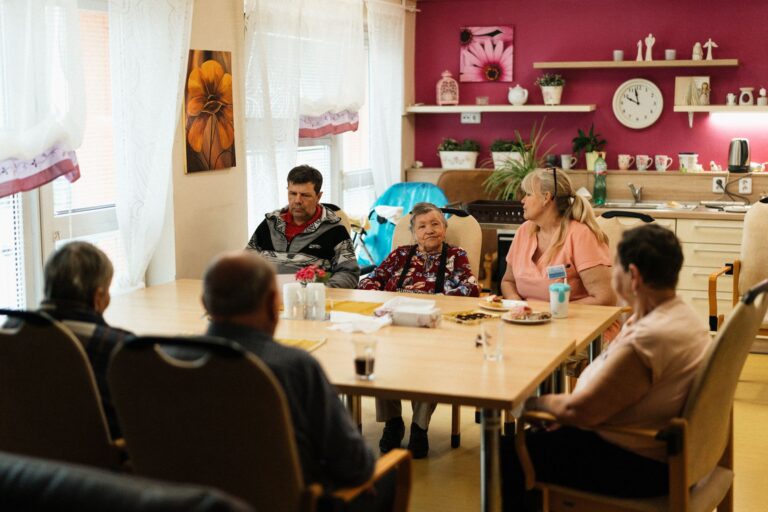
Reading a saved love letter together can make love feel present while making dementia painfully visible. Its emotional weight comes from placing an earlier, reciprocal relationship beside changes in memory, language, recognition, or family roles. Dementia is a loss of thinking, memory, and reasoning severe enough to interfere with daily life; it is not normal aging, according to the National Institute on Aging. A letter may offer connection, but it can also bring sadness, confusion, or no clear response.
Medical information disclaimer: This article is for general educational purposes only and does not provide medical advice, diagnosis, or treatment. Always consult a physician or other qualified health professional about symptoms, medications, tests, or treatment decisions.
Table of Contents
- Why can one letter feel so powerful?
- What does the person's response mean?
- What does research actually show?
- How should a family approach the reading?
- When should you stop or try something else?
Why can one letter feel so powerful?
A saved letter is both an object from the past and evidence of a relationship. Its familiar handwriting, affectionate words, or remembered occasion may evoke warmth even when the full story is no longer accessible. For a spouse or relative, the letter can also highlight what has changed.
"Predeath grief" means mourning before a person dies, including longing and confusion about roles or identity. A 2026 JAMA Network Open study describes this grief as dementia alters recognition and reciprocity within relationships. Conflicting emotions are therefore understandable. Love, pleasure, embarrassment, grief, and frustration can coexist without making the reading a mistake or failure.
What does the person's response mean?
Alzheimer's disease is the most common dementia. memory difficulties often appear early, while changes in language and comprehension can make a meaningful letter difficult to follow, as the National Institute on Aging explains. A smile, touch, repeated phrase, or relaxed posture may be a more useful response than an accurate account of who wrote the letter. Silence does not prove that the words have no meaning.
Likewise, confusion does not erase the relationship they describe. Avoid turning the moment into a memory test. Questions such as "Don't you remember writing this?" can create pressure. A gentler observation—"This letter says how much you loved our Sunday walks"—offers information without demanding proof.
What does research actually show?
Researchers have studied reminiscence therapy, which uses prompts to encourage autobiographical memories. The 2026 pilot used shared photographs, captions, and guided writing rather than saved love letters. Among 68 caregiver–recipient pairs, the digital program reduced caregiver predeath-grief scores by 3.60 points after two weeks compared with a control group. Relationship-quality changes were not statistically significant. The findings are encouraging but preliminary.
The pilot was short and small, had participant attrition, made no adjustment for multiple testing, and involved a digitally advantaged sample. Participants were English-speaking U.S. family caregivers with computer access; people in long-term care or with advanced impairment were excluded. The platform was a behavioral research program, not an FDA-approved drug or device treatment. Its ClinicalTrials.gov study record lists 74 actual enrollees, a "Not Applicable" phase, and completion on August 20, 2025.
How should a family approach the reading?
Treat the letter as an invitation, not an intervention with a promised result. Choose a quiet time when the person seems comfortable and alert.
If reading is difficult, try showing the envelope or handwriting, paraphrasing one affectionate line, or setting the letter aside. Protecting comfort matters more than finishing.
- Ask permission: "Would you like me to read this with you?"
- Introduce the letter simply, without testing memory.
- Read a short passage slowly rather than the entire letter at once.
- Pause for words, gestures, facial expressions, or touch.
- Respond to the feeling expressed instead of correcting details.
When should you stop or try something else?
Stop if the person becomes frightened, angry, tearful without settling, restless, or determined to leave. Redirect to a familiar activity, reassuring conversation, music, or quiet companionship rather than pressing for an explanation. The caregiver's response also matters.
Earlier joint-remembrance research found no overall benefit and suggested that the process could increase caregiver anxiety. A family member who feels overwhelmed can shorten the activity, invite another trusted person, or decide that private reading is kinder. Afterward, note what seemed comforting and what caused strain. If the letter repeatedly produces distress, preserve it for another family member or another time rather than making repeated attempts.
You Might Also Like
- Looking Through a Family Album Together: Understanding Its Emotional Weight in a Family’s Dementia Journey
- Smiling at an Old Wedding Photograph: Understanding Its Emotional Weight in a Family’s Dementia Journey
- Singing an Old Church Hymn: Understanding Its Emotional Weight in a Family’s Dementia Journey