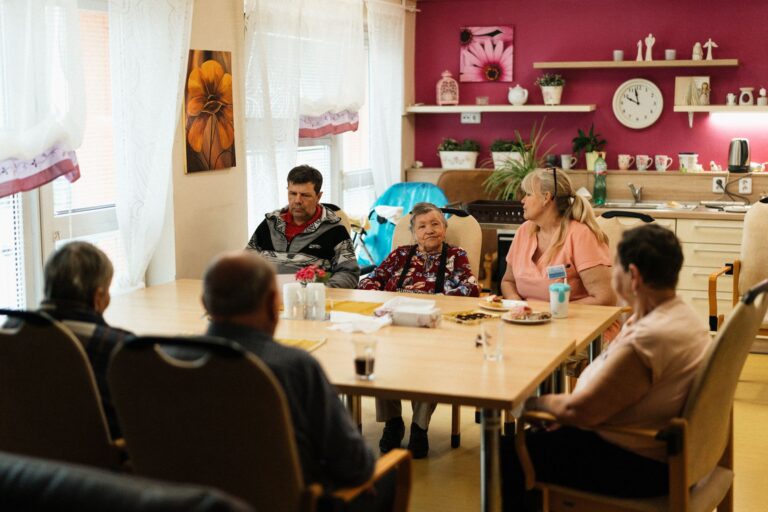
Sharing morning coffee with someone living with dementia creates a meaningful window for connection—and research increasingly shows this matters for both the person's wellbeing and their long-term brain health. Adults classified as "socially frail" show approximately 47% higher likelihood of developing Alzheimer's disease or dementia compared to socially connected peers, according to the Fisher Center for Alzheimer's Research Foundation.
Even after dementia has developed, regular social interaction and shared activities measurably reduce symptoms, improve mood, and lower caregiver stress—suggesting that morning rituals like coffee are not luxuries but practical tools for care. The evidence points to something specific: the morning hours, combined with a structured routine and face-to-face connection around an everyday activity, offer an underused opportunity. Unlike elaborate therapies, a shared cup of coffee requires only consistency, presence, and an understanding of why it works.
Medical information disclaimer: This article is for general educational purposes only and does not provide medical advice, diagnosis, or treatment. Always consult a physician or other qualified health professional about symptoms, medications, tests, or treatment decisions.
Table of Contents
- Why Social Connection Protects the Brain
- Why Morning Routines Matter in Dementia Care
- How Shared Mealtimes Reactivate Connection
- Building a Meaningful Morning Ritual
- Realistic Expectations and Limitations
Why Social Connection Protects the Brain
Social isolation accelerates cognitive decline through behavioral and psychological pathways, according to RTI International research. Isolated individuals display higher rates of depression, engage in unhealthy behaviors, and show increased cardiovascular disease—all compounding dementia risk and symptom severity.
By contrast, residents in long-term care with frequent social engagement showed reduced behavioral and psychological symptoms of dementia, better mood, and higher overall quality of life. The effect is measurable and immediate: on days when caregivers engaged in shared activities, behavioral and psychological symptoms decreased that day, with cumulative protective effects over time for those who regularly participate.
Why Morning Routines Matter in Dementia Care
Creating consistent daily routines with simple, meaningful activities helps people with dementia feel safe, provides sensory stimulation, and aids orientation to the day, according to the Alzheimer Society of Canada. Morning light exposure and familiar voices are documented as particularly effective in reducing confusion.
A structured morning ritual anchors the person to the day and reduces the disorientation that often peaks in early hours. The routine itself becomes a signaling system the brain can follow, even when short-term memory is compromised. This is why the same time, the same cup, and the same person matter more than the coffee itself.
How Shared Mealtimes Reactivate Connection
Mealtimes are moments when people feel most emotionally connected. Family-style meal delivery (shared bowls and plates rather than individual trays) doubled communication and participation among residents with dementia, according to research cited by the Alzheimer Society of Canada.
The act of sharing—passing a cup, selecting from common food, eating side by side—reactivates social pathways even when conversation is limited. Meaningful activity engagement improves psychological well-being and reduces behavioral distress; systematic review evidence from 13 studies showed that personalized meaningful activities reduced anxiety, sleep disturbances, and improved mood and sense of purpose in dementia populations, according to the Australian Residential Aged Care Institute. Coffee is particularly effective because it combines routine, warmth, sensory input, and a social script most people have practiced for decades.
Building a Meaningful Morning Ritual
Start small and consistent. The same time each day, the same cup if possible, the same place signals to the brain that this is a stable anchor. Sit face-to-face rather than side-by-side to maximize eye contact and verbal exchange. Sensory elements matter: warm hands around a mug, the smell of coffee, soft morning light.
Long-term memory remains accessible even in moderate-to-advanced dementia, with reminiscence therapy exploiting the principle that long-term memory persists while short-term memory declines, allowing individuals to recall fond memories through sensory prompts like foods and familiar voices. Use the moment to ask open-ended questions about coffee memories, favorite mornings, or simply sit in comfortable silence. Keep it short—15 to 30 minutes—to match attention span. If the person is resistant or agitated, stop and try again tomorrow. The ritual is flexible; the consistency and presence are not.
Realistic Expectations and Limitations
Morning coffee will not reverse dementia or restore lost memory. Progress will not be linear, and on difficult days, the person may not recognize you or engage as they did the day before. The benefit is cumulative and often subtle: slightly fewer behavioral episodes, a momentary smile, reduced anxiety during that window of time.
Caregivers should also know this ritual works best when it is genuinely restorative for them too. If you dread the interaction, that tension communicates. The goal is mutual presence, not performance. If dementia care is overwhelming, a shared morning cup cannot fix that isolation—professional support, respite care, or a care team matters too.