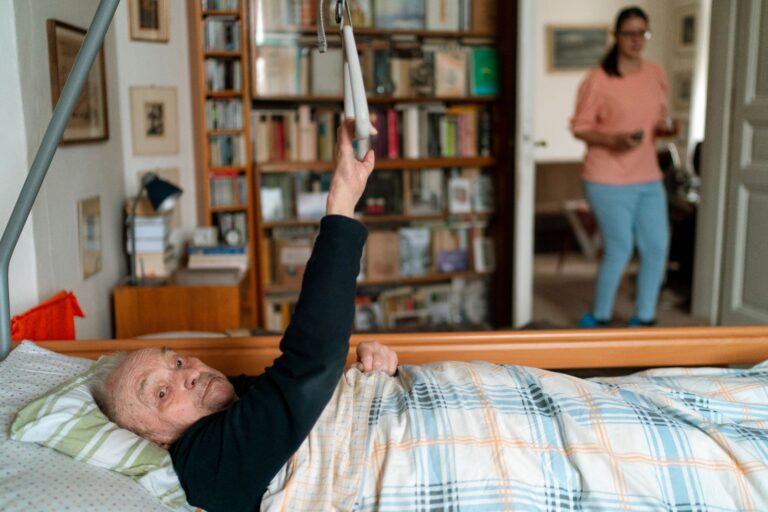
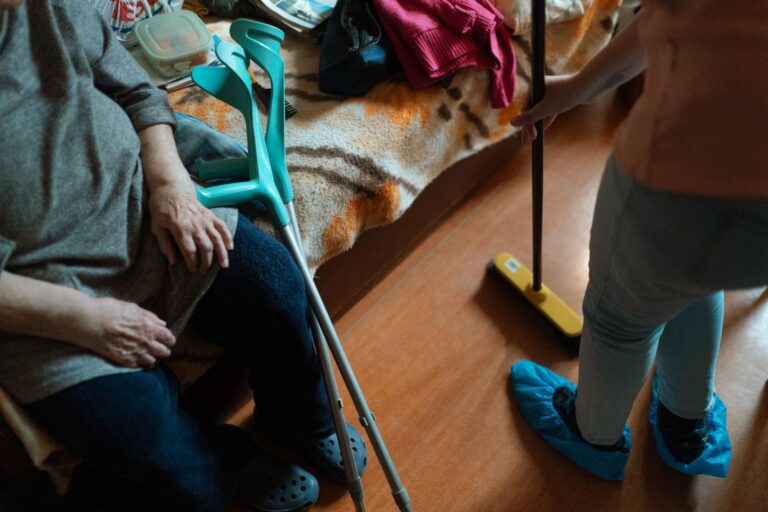
Watering a familiar garden can create space for connection by turning time together into a simple, shared activity. The aim is participation and comfort, not perfect recall or completed chores. Dementia is a decline in memory, thinking, and behavior that interferes with everyday life; it is not normal aging. As abilities change, gardening can be simplified so the person may water, touch, choose, or simply watch.
Medical information disclaimer: This article is for general educational purposes only and does not provide medical advice, diagnosis, or treatment. Always consult a physician or other qualified health professional about symptoms, medications, tests, or treatment decisions.
Table of Contents
- Why a familiar activity can help
- What does the evidence show?
- How to create a manageable garden moment
- Make the activity fit the person
- Build safety into the scene
Why a familiar activity can help
A familiar task offers a clear role without requiring sustained conversation. Instead of testing memory with questions, a caregiver can invite action: "Would you like to water this plant with me?" The person's response should guide the moment. Someone may enjoy holding the watering can, while another may prefer pointing to the next pot or sitting nearby.
Familiarity is personal, not universal. Gardening may suit a former gardener or someone who enjoys plants, but it can frustrate a person who never liked the activity. A different familiar interest may create a better opening.
What does the evidence show?
The strongest summarized evidence is promising but limited. A systematic review covering 14 studies and 411 people found that participatory horticultural therapy was associated with improvements in cognition, agitation, positive emotion, and engagement. Ornamental activity without active participation did not show the same benefits for agitation or positive emotion, according to the Journal of Clinical Nursing review indexed by PubMed. These findings suggest that doing something with plants may matter more than using plants as decoration.
They do not show that gardening slows, reverses, or cures dementia. The reviewers called for higher-quality studies. A 2025 pilot involving 37 dementia-caregiver pairs reported greater participant happiness and less caregiver distress after an 11-week indoor program. However, the study had no control group, so it could not establish that horticulture caused those changes. Its narrow participant group also limits how broadly the results apply.
How to create a manageable garden moment
Start with one visible, achievable task. The National Institute on Aging recommends matching activities to current ability, helping the person begin, watching for frustration, and allowing observation; its activity guide specifically includes caring for or watering plants.
A simple routine might look like this: Success can mean holding the container, watering one pot, or sharing a peaceful minute. The task does not need to produce a tidy garden to be worthwhile.
- Place one safe plant and a lightweight watering container within reach.
- Offer one choice, such as which of two plants to water.
- Demonstrate the first movement if the person seems unsure.
- Assist quietly instead of correcting mistakes.
- Pause or change activities if tension or frustration appears.
Make the activity fit the person
Build the activity around previous interests, routines, comforts, and preferences. A person who once grew vegetables may respond differently from someone who kept one houseplant on a windowsill. In U.S. nursing homes, CMS requires ongoing activities based on each resident's assessment, care plan, interests, and preferences.
Its guidance for dementia care emphasizes prior lifestyle, hobbies, comforts, and preferences. Families can use the same person-centered approach at home. Notice whether the person prefers morning or afternoon, active participation or observation, and indoor plants or an outdoor setting. Reassess often because the right level of help can change.
Build safety into the scene
Dementia increases fall risk, so reduce hazards before beginning. The National Institute on Aging advises removing trip hazards and securing dangerous items, including poisonous plants and power tools, in its home-safety guidance for Alzheimer's caregiving.
Use simple tasks with supervision suited to the person's current ability. Keep paths clear, choose safe plants, avoid power equipment, and place supplies where reaching or bending is unnecessary. If the setting becomes confusing or unsafe, move the activity to a table with one plant and a small container of water.