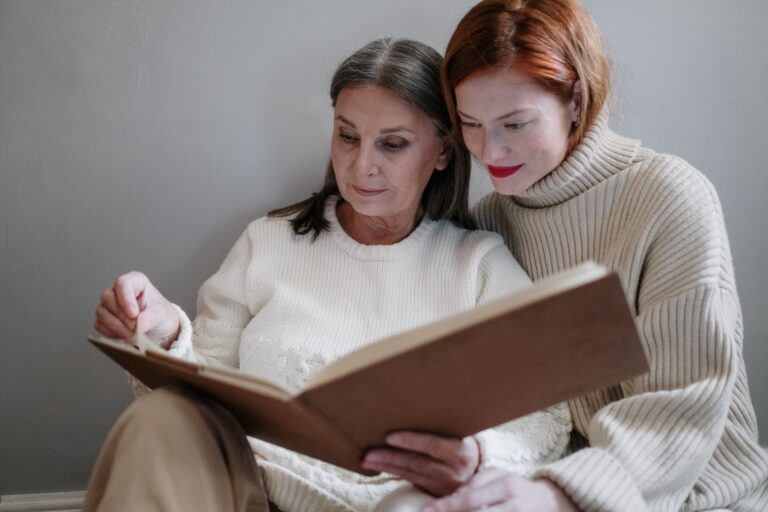
Memory boxes are curated collections of personal items—photographs, mementos, recorded voices, music, and sensory objects—designed to help people with dementia access long-term memories and maintain their sense of self when language and cognition decline. They work because they bypass verbal communication to create emotional connection, often reducing anxiety and preserving moments of recognition that can mean everything to families watching their loved one change. Research from the University of Suffolk documented these effects directly: over six months, memory boxes reduced anxiety and distress, strengthened emotional bonds between caregivers and the person in care, and decreased isolation for both. Major healthcare organizations—the Alzheimer's Association, Alzheimer's Society, and NICE—now endorse memory boxes as standard practice in person-centered dementia care.
Medical information disclaimer: This article is for general educational purposes only and does not provide medical advice, diagnosis, or treatment. Always consult a physician or other qualified health professional about symptoms, medications, tests, or treatment decisions.
Table of Contents
- What Goes Into a Memory Box
- How They Help People with Dementia
- Why Caregivers Say Memory Boxes Matter
- When Memory Boxes Work Best
- Important Limitations to Understand
- How to Start Building One
- Frequently Asked Questions
What Goes Into a Memory Box
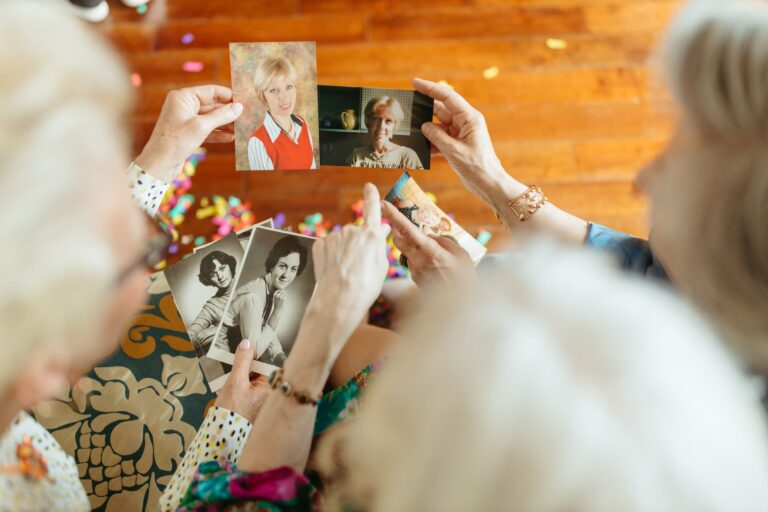
Memory boxes hold whatever captures a person's life story. Typical contents include family photographs, wedding rings or jewelry, recorded messages from loved ones, favorite music on a device, ticket stubs from meaningful events, pressed flowers, scents (perfume, favorite soap), children's artwork, letters, or objects tied to hobbies or work. The principle is specificity: items should evoke personal memories, not generic decorations.
The box itself can be physical—a wooden chest or decorated container kept at bedside or in a common room—or digital, using photographs and audio files accessible on a tablet. Research on reminiscence therapy, the clinical framework supporting memory box use, found that consistent engagement with personal memory items improved quality of life, reduced depression and anxiety, and strengthened a person's sense of self-worth. This works because long-term memories—like your wedding day or a child's laugh—remain accessible longer than recent events as dementia progresses.
How They Help People with Dementia
Memory boxes create three kinds of benefit: they reduce distress, support identity, and create moments of connection. The University of Suffolk study observed that handling familiar objects and viewing personal photographs calmed agitation and anxiety—effects that can reduce the need for behavioral medications and make daily care easier for everyone. A person who cannot remember your name might still recognize themselves in a photograph from their 30s, or feel soothed by a recording of a deceased spouse's voice.
Beyond mood, memory boxes preserve autonomy and identity when cognitive decline isolates the person. According to NCBI research on life story work, people with dementia who engage regularly with personal memory items maintain stronger sense of self, show fewer behavioral symptoms like aggression or withdrawal, and experience moments of calm recognition that sustain their humanity in the eyes of caregivers. These are not just feel-good moments—they change how the disease feels for the person living it.
Why Caregivers Say Memory Boxes Matter
Caregivers benefit as much as the person with dementia. Memory boxes help staff and family "see the person behind the patient," creating deeper understanding of who this person was—their values, humor, loves, and accomplishments.
This shift in perspective changes how caregivers relate to difficult behaviors and transforms the care relationship from task-oriented to connection-oriented. The act of creating a memory box together also strengthens family bonds before dementia advances further. Adult children gathering stories and photographs for a parent's box, discussing memories together, and recording videos—these become meaningful moments in their own right, often among the last times they can collaborate with their loved one while they're still fully present.
When Memory Boxes Work Best
Timing and consistency matter. Memory boxes are most effective during early-to-moderate dementia stages when long-term memories remain accessible, and regular engagement produces stronger outcomes than one-time use—research supports 8 to 12 weeks of consistent interaction. Digital formats also show stronger results than physical boxes alone, likely because they allow frequent, easy access and can include audio and video, not just objects.
This does not mean memory boxes stop mattering in advanced dementia, but expectations shift. A person in late-stage dementia may not "remember" the photograph, but the object or image can still soothe, reduce agitation, or create a moment of calm presence. The goal becomes emotional connection rather than factual recall—which is often the truth of caregiving in the final stages anyway.
Important Limitations to Understand
While reminiscence therapy shows clear short-term effects on mood and connection, long-term effects remain unclear. Memory boxes are not a treatment or cure; they are a care tool. Effectiveness depends heavily on individual-specific items rather than generic contents, and success requires consistent engagement—creating a box once and setting it aside delivers little benefit.
Also remember that the focus must be emotional connection rather than factual accuracy. If a photograph sparks joy even if the person misnames the people in it, that emotional connection is the win. Correcting them defeats the purpose. Memory boxes work best when families shift from "making them remember correctly" to "creating moments of calm and recognition.".
How to Start Building One
Begin with what you know: gather 15 to 30 items that represent key life chapters—childhood, education, marriage, children, work, hobbies, travels, achievements. Include sensory items if possible (a favorite scent, a textured object). Record short audio clips: a loved one saying "I love you," a grandchild singing, a voice message from old friends. If digital, organize photos chronologically by life stage.
Involve the person while they can still participate; let them choose what matters most. Once complete, use the box or digital collection regularly—weekly or several times weekly—as a structured part of care or a casual activity during visits. Share it with care staff so they understand the person's life and can reference stories during care. The magic is in routine, not perfection.
Frequently Asked Questions
Can memory boxes help in late-stage dementia?
Yes, though the goal shifts. In advanced dementia, memory boxes may not restore memory, but familiar objects and voices can calm agitation, reduce behavioral symptoms, and create moments of peaceful presence. Emotional connection becomes the measure of success.
How much should a memory box cost?
Nothing. Use a box you already have—a shoebox, wooden chest, or digital folder on a tablet. Cost is not a barrier. The value is in the personal items, not the container.
What if the person with dementia gets upset looking at the box?
Stop and try again another day or with different items. Some memories may be painful, or timing may be off. The purpose is comfort, not obligation. If upset feelings persist, adjust the contents or consult a care counselor.