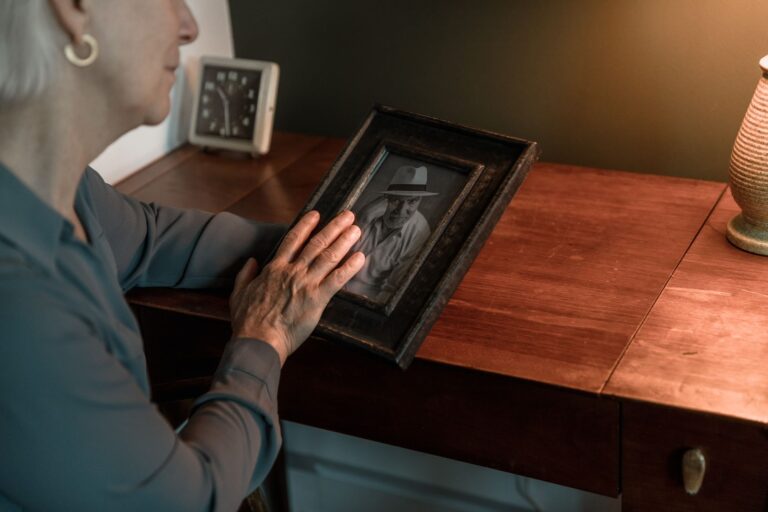
Cookbooks filled with notes can matter deeply to families facing dementia—cognitive decline that disrupts daily life. They preserve a person's voice, routines, relationships, and preferences when recalling or expressing those details becomes difficult. A penciled substitution, stained holiday recipe, or reminder to "double the sauce" can reveal more than how someone cooked. It can help relatives start conversations, recreate familiar meals, and involve the person in an activity connected to their identity.
Medical information disclaimer: This article is for general educational purposes only and does not provide medical advice, diagnosis, or treatment. Always consult a physician or other qualified health professional about symptoms, medications, tests, or treatment decisions.
Table of Contents
- A cookbook can become a life-story record
- What the evidence does—and does not—show
- How to share the book without creating pressure
- When cooking together still fits
- Preserve meaning without overlooking safety
A cookbook can become a life-story record
A handwritten cookbook often holds small pieces of biography: who taught a recipe, which dish marked a birthday, and what each family member liked. Notes in the margins may preserve humor, habits, and family roles that a printed recipe cannot. Researchers use "life-story books" to describe collections of personal memories that may help people with dementia recall and communicate.
A cookbook can plausibly serve a similar purpose, according to a 2023 PLOS ONE systematic review of life-story work. The book also gives relatives something concrete to share. Instead of testing memory with "Do you remember this?", they can make a gentle observation: "You changed the baking time here," or "This was always served at birthdays.".
What the evidence does—and does not—show
Cookbooks may work as reminiscence prompts. Reminiscence involves discussing past experiences with help from photos, music, objects, or other cues. Handwriting, food stains, ingredient lists, and familiar recipe names may all invite recognition or conversation. That possibility should not be mistaken for a proven treatment.
In a Cochrane review of 22 randomized studies involving 1,972 people, reminiscence produced no important immediate improvement in overall quality of life compared with no treatment. Small benefits varied by setting and format. A meaningful response may be a story, a smile, an appetite cue, or simply calm attention. No response is also possible. The book's family value does not depend on producing measurable cognitive improvement.
How to share the book without creating pressure
Choose one page tied to a familiar person, occasion, or food. Let the person look, touch, smell, or talk without demanding correct answers.
Useful approaches include: Keep the exchange collaborative. Correcting dates, ingredients, or names can turn a warm moment into a memory test.
- Read a handwritten note aloud and pause.
- Ask preference questions, such as "Would you use cinnamon or nutmeg?"
- Invite the person to explain a step, even if the explanation is incomplete.
- Bring out a safe ingredient or utensil connected to the recipe.
- Change the subject or stop if the person becomes tired, anxious, or frustrated.
When cooking together still fits
Cooking can remain meaningful when tasks match the person's current abilities. The National Institute on Aging's guide to adapting activities suggests involving a person in steps such as gathering, measuring, mixing, pouring, or explaining a recipe. Break the recipe into one-step jobs and prepare the workspace first.
Someone who can no longer manage an entire meal may still wash vegetables, stir batter, arrange napkins, or choose between two ingredients. If hands-on cooking becomes confusing, use the recipe another way. A relative can prepare the dish while the person watches, smells the food, listens to the instructions, or sits nearby with the cookbook.
Preserve meaning without overlooking safety
Dementia can affect judgment, sequencing, and hazard recognition. Reassess cooking abilities as needs change, especially around burners, knives, hot liquids, and appliances. The National Institute on Aging's home safety checklist advises considering stove safety knobs or automatic shut-off switches.
When independent cooking is no longer safe, the cookbook can still support conversation, supervised tasks, and familiar meals. Photograph fragile pages and record who wrote each note while relatives can still identify the handwriting. Store the original securely, then use a copy in the kitchen where spills and frequent handling will not erase the family record.