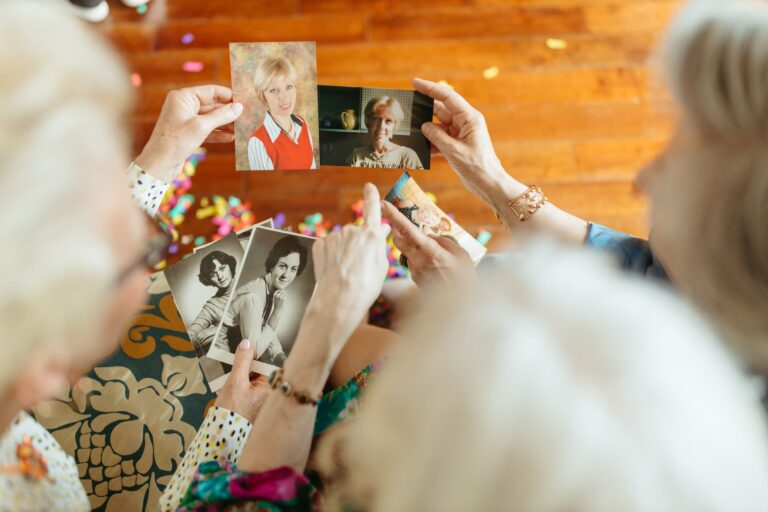
Watching an old home video can be a powerful tool for creating connection with someone who has dementia. Research shows that reminiscence therapy—engaging with personal videos, photographs, and familiar materials from the past—is a non-pharmacological approach that can improve mood, reduce behavioral symptoms, and strengthen the relationship between person and caregiver. This approach works because long-term autobiographical memory—the experiences and events that define who we are—remains relatively preserved even in early-to-moderate dementia stages. A family video from years ago may still trigger genuine recognition and meaningful conversation, creating an opportunity for authentic interaction rather than frustration over what's forgotten.
Medical information disclaimer: This article is for general educational purposes only and does not provide medical advice, diagnosis, or treatment. Always consult a physician or other qualified health professional about symptoms, medications, tests, or treatment decisions.
Table of Contents
- How Memory Works in Dementia
- What Research Shows About Benefits
- Why This Works for Connection and Identity
- How to Use Reminiscence Therapy at Home
- Understanding Limitations and Realistic Expectations
- Frequently Asked Questions
How Memory Works in Dementia
While short-term memory declines in dementia, the brain's ability to retrieve deeper, identity-centered memories often persists. This distinction matters for caregivers: your loved one may forget breakfast but still remember and connect with major life events, beloved family members, or meaningful accomplishments. Personal video content serves as a bridge to those preserved memories.
This creates a window for genuine interaction. When someone watches themselves or their family in a video, they may recall details, people, and emotions that feel truly real to them—not confabulated or forced. The video anchors the memory and validates their experience of having lived that moment.
What Research Shows About Benefits
A meta-analysis of 29 randomized controlled trials covering more than 3,100 participants found that reminiscence therapy significantly reduced depression with a moderate effect size, making it comparable to medication-based treatments for mood. Quality of life also improved measurably in the reminiscence therapy group, with clinically meaningful gains in well-being and life satisfaction.
Beyond mood, the evidence shows additional benefits. Reminiscence therapy produced reductions in behavioral and psychological symptoms of dementia including agitation, apathy, and irritability, particularly when delivered twice weekly over 4 to 12 weeks. Group reminiscence therapy using internet-based videos improved cognitive function and reduced apathy in people with mild dementia, with caregivers reporting the video-based approach was easier to facilitate than traditional reminiscence activities.
Why This Works for Connection and Identity
Personal video content does more than prompt memory retrieval—it helps people with dementia confirm continuity of identity. Watching themselves in a video or seeing family members they still recognize provides evidence of the answer to a profound question: "I am the same person I was before." This sense of continuity is central to psychological well-being.
For caregivers, reminiscence-based communication can improve the dyadic relationship by supporting meaningful interaction, shifting from correction to genuine connection. Rather than repeating facts your loved one has forgotten, you're simply sharing and reflecting on a memory together. This changes the emotional tone of the interaction entirely.
How to Use Reminiscence Therapy at Home
Family caregivers can facilitate reminiscence activities using materials already available: Home-based reminiscence interventions—where family caregivers facilitate personal memory conversations at home—were perceived by participants as positive cognitive stimulation, with an emphasis on centering and engaging the person with dementia as therapeutically valuable.
- Gather personal videos, home videos, or digital photo slideshows from key life events—vacations, anniversaries, family gatherings, milestones
- Watch together in a quiet, comfortable environment with few distractions
- Follow your loved one's lead in conversation; they may remember specific details or make unexpected connections
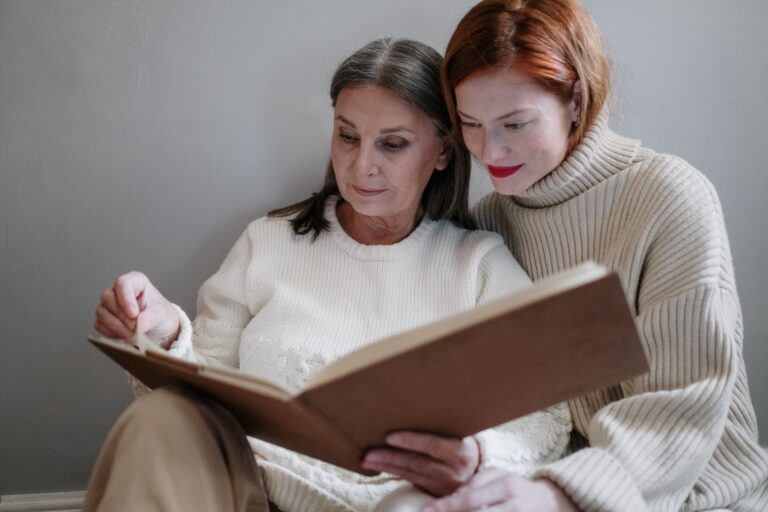
- Combine video with objects or music: a photo album, a familiar song, a keepsake from a place in the video
- Keep sessions short and positive; if your loved one becomes distressed, pause and shift to something calming
Understanding Limitations and Realistic Expectations
While reminiscence therapy consistently shows benefits for mood, depression, and quality of life, cognitive improvements are modest and less consistently demonstrated across studies, suggesting the primary therapeutic value lies in emotional connection and sense of self rather than memory restoration. This is important to know: watching a home video will not reverse memory loss or restore cognitive function, but it can improve emotional well-being and the quality of your relationship. Additionally, the effect on caregiver stress is real but complex.
You will experience reduced isolation, improved interaction, and a sense that your loved one is still accessible to you. But the emotional labor of dementia caregiving remains substantial. Setting realistic expectations—that this is a tool for connection, not a cure—protects both you and your loved one from disappointment.
Frequently Asked Questions
Will watching old videos help restore my loved one's memory?
No. Reminiscence therapy improves mood, quality of life, and behavioral symptoms, but cognitive improvements are modest. The primary benefit is emotional connection and sense of self, not memory restoration.
How often should we do this?
Research suggests twice weekly sessions over 4 to 12 weeks shows the most consistent benefits. Keep sessions short and follow your loved one's mood and interest.
What if my loved one gets upset while watching?
Stop and shift to something positive or calming. Reminiscence should feel supportive, not distressing. Some people may have difficult memories associated with certain periods; you know your loved one best.
Can we do this remotely with family who live far away?
Yes. Digital photo slideshows, video calls with family members, or recorded messages from loved ones can serve the same function of personal reminiscence and connection.