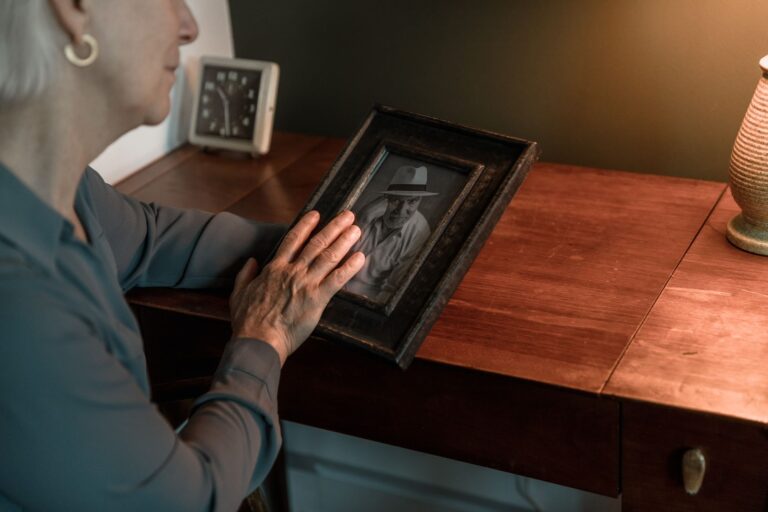
Sharing a wedding song can create a familiar, low-pressure moment of connection for a person with dementia. It may invite pleasure or participation, but it is not a treatment or a test of memory. Dementia is an umbrella term for cognitive decline that interferes with daily life. Alzheimer's disease is the most common type, accounting for 60%–80% of cases, according to the CDC's dementia overview.
Medical information disclaimer: This article is for general educational purposes only and does not provide medical advice, diagnosis, or treatment. Always consult a physician or other qualified health professional about symptoms, medications, tests, or treatment decisions.
Table of Contents
- What can a meaningful song realistically do?
- Is the wedding song the right choice?
- How to share the song
- Let connection matter more than recall
- When music is not helping
What can a meaningful song realistically do?
A wedding song may matter because it belongs to the person's life story. The aim is not necessarily to retrieve a specific memory. Listening together can still offer companionship, even when the person cannot name the song or explain its meaning. Research supports modest expectations.
A 2025 Cochrane review found that music-based sessions probably slightly reduce depression compared with usual care. They likely do not improve agitation or aggression, and most participants lived in institutions. Evidence for social benefits remains limited. Compared with other activities, music-based therapy may improve social behavior, but this finding came from four studies involving only 84 people. Benefits were not shown to persist four or more weeks after sessions ended.
Is the wedding song the right choice?
Start with the person's preferences, not the occasion's importance to the family. A song that feels precious to one relative may be unfamiliar, unwanted, or emotionally complicated for the person hearing it. Ask the person when possible. If they cannot answer, consult someone who knows their musical tastes and life history.
The National Institute on Aging notes that care staff sometimes struggled to identify preferred songs for people with advanced dementia who could not communicate their choices. Treat the first listening as an invitation. Facial tension, turning away, vocal distress, or repeated requests to stop are reasons to pause. Smiling, humming, tapping, relaxed attention, or reaching toward another person may suggest that continuing feels welcome.
How to share the song
Choose a quiet time when the person appears comfortable. Avoid combining the music with television, conversation, personal care, or other competing demands.
The Alzheimer's Association recommends familiar, enjoyable music, ideally chosen by the person. Its care guidance also advises avoiding advertisements, excessive volume, and competing noise.
- Use a familiar recording when you can identify one.
- Begin at a low, comfortable volume.
- Sit nearby without requiring eye contact or conversation.
- Offer singing, clapping, swaying, or hand-holding rather than directing it.
- Let the song end, then allow silence before asking anything.
Let connection matter more than recall
Avoid questions such as "Do you remember this?" or "Whose song was it?" They can turn a shared activity into a performance with a right answer. Use simple observations instead: "This is your wedding song," or "We can listen together." If the person tells a story that differs from the family's version, consider responding to the emotion rather than correcting every detail.
A meaningful response may be brief or nonverbal. In a 976-resident nursing-home trial, personalized music did not reduce staff-measured agitation or psychotropic medication use at four months. However, structured observations from the trial found more pleasure and fewer verbally agitated behaviors, with no significant effect on several other outcomes.
When music is not helping
Do not assume that persistence will produce a breakthrough. Stop or switch activities when the person becomes distressed, overstimulated, withdrawn, or repeatedly rejects the music. A wedding song has not been specifically tested as a dementia intervention.
Use it as a person-centered opportunity for companionship, not as a disease-modifying treatment or a replacement for appropriate care. If the song is unwelcome, try another familiar activity without framing the attempt as a failure. Caregivers can find alternatives in the NIA's activity ideas for people with Alzheimer's disease.