Wedding anniversaries can be powerful touchstones for connection in dementia care because long-term memories like weddings are often preserved even as short-term memory fades. Anniversary reminiscence—intentionally recalling and celebrating that milestone together—creates an opportunity for meaningful engagement between a person with dementia and their caregivers, reducing depression and agitation while strengthening bonds that may feel strained by the disease.
Dementia affects the brain's memory centers unevenly. Short-term memories are affected first, while older memories like weddings are stored in different brain regions and often remain preserved until late stages of disease progression, according to the Alzheimer's Association. This neurological reality means anniversary conversations are not just sentimental—they're a genuine way to reach a person when their recent past feels inaccessible.
Medical information disclaimer: This article is for general educational purposes only and does not provide medical advice, diagnosis, or treatment. Always consult a physician or other qualified health professional about symptoms, medications, tests, or treatment decisions.
Table of Contents
- Why Wedding Memories Usually Survive
- How Anniversary Activities Reduce Distress and Strengthen Connection
- Creating a Memory-Focused Anniversary Experience
- How Anniversary Reminiscence Helps Caregivers Too
- When Anniversary Memories Feel Complicated
- Frequently Asked Questions
Why Wedding Memories Usually Survive
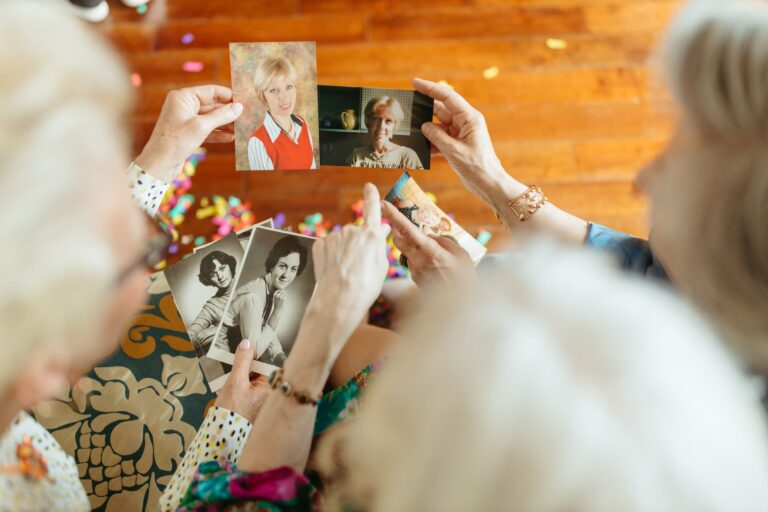
Dementia doesn't erase all memories at once. The disease typically damages the hippocampus and related structures that store new information first, leaving older, deeply encoded memories—like a wedding day—relatively intact. Wedding photographs and anniversary objects like rings, dress embroidery, or keepsakes effectively trigger memory recall, with research showing visual cues enhance verbal communication and recognition even in moderate-to-severe dementia stages, according to the National Council on Aging and Alzheimer's Texas.
This means a person who struggles to remember what they ate for breakfast may still respond to their wedding photo or the feel of their marriage ring. That responsiveness is not the same as remembering every detail, but it creates an emotional and sensory pathway back to one of life's central moments. The memory may shift or blur, but the significance often remains.
How Anniversary Activities Reduce Distress and Strengthen Connection
Life review therapy incorporating wedding milestones and personal achievements significantly improved depression in care recipients and enhanced relationship quality with caregivers in randomized controlled trials, according to the National Center for Biotechnology Information. Anniversary-focused reminiscence goes further: multisensory engagement—using sight, sound, touch, smell, and taste together—reduces agitation and depression while strengthening family bonds, with research showing stronger connections between people with dementia and their caregivers after structured sessions.
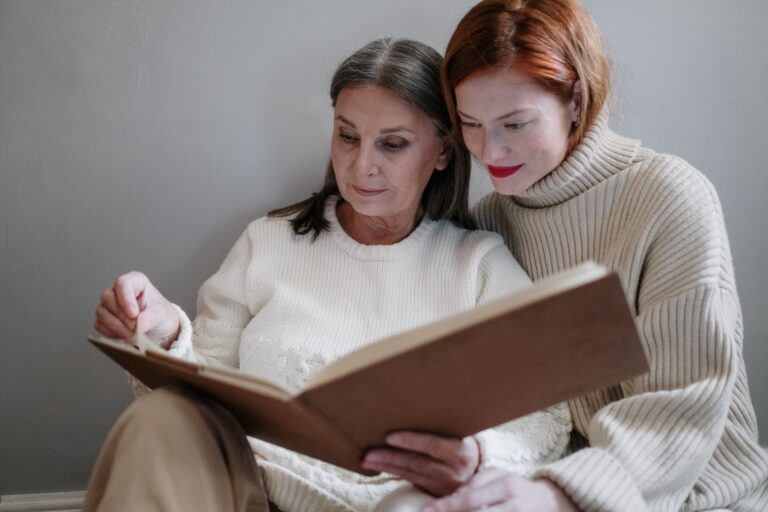
A wedding anniversary activity might include looking at photos, listening to the song from the first dance, holding hands, or tasting a favorite food from the reception. These sensory layers activate emotional memory, which remains intact longer than fact-based memory in dementia; people can respond emotionally and socially to anniversary celebrations even in later disease stages, according to dementia care research. The result is often a moment of genuine presence—even if the details of the wedding are fragmented.
Creating a Memory-Focused Anniversary Experience
A practical approach starts with gathering touchstones: photographs, wedding invitations, the dress or suit, music, and any keepsakes. Set aside dedicated time without distractions, choose a calm moment of day when the person is most alert, and move slowly between items. You might ask open-ended questions—"What do you remember about the day?" or "How did you feel?"—rather than correcting gaps or testing recall.
Memory boxes and life story books created during anniversary-focused sessions incorporating wedding details improved depression outcomes and deepened caregiver-patient relationships in clinical research, according to the National Center for Biotechnology Information. Some families also use digital reminiscence tools: digital reminiscence therapy interventions focusing on personal life events and anniversaries significantly increased engagement and decreased depression in dementia residents compared to control groups in pilot randomized trials. The medium matters less than consistency and presence.
How Anniversary Reminiscence Helps Caregivers Too
Caregiving for someone with dementia is emotionally and physically taxing. Maintaining couple connection through anniversary reminiscence activities slows cognitive decline and reduces caregiver burden; studies found caregivers who engaged in shared reminiscence activities felt more competent and satisfied, according to research published in PMC. This shift is crucial: anniversary activities aren't a one-way gift to the person with dementia—they restore something for the caregiver too.
These moments interrupt the relentless focus on losses and deficits. When a caregiver and their partner access a shared memory together, even a partial one, it can feel like the relationship still has texture and history. Competence—feeling like you're doing something right, something that matters—is one of the most protective factors against caregiver depression and burnout.
When Anniversary Memories Feel Complicated
Not every marriage or anniversary is filled with joy, and not every person with dementia responds equally to reminiscence. If the relationship involved conflict, loss, or regret, anniversary activities may surface grief rather than comfort. In these cases, the goal shifts: from happy remembering to gentle acknowledgment of a complex partnership. A caregiver might focus on neutral moments—a favorite meal, a place they traveled, a shared laugh—rather than the wedding itself.
For some people, anniversary conversations may not trigger recognition or response. That doesn't mean the activity is worthless. The caregiver's presence, tone, and intention to honor a shared history matter. Connection in dementia often looks different than it did before—quieter, less verbal, more about being together than talking.
Frequently Asked Questions
How do I start an anniversary reminiscence activity if my family member doesn't remember details?
Start with sensory cues—photos, music, or objects—rather than asking direct questions. Let the person respond at their own pace, and focus on their emotional reaction rather than factual accuracy. Presence matters more than memory.
Does reminiscence therapy work in late-stage dementia?
Yes, though responses may shift. Emotional and sensory engagement can reach someone even when verbal memory is severely limited. Watch for signs of calm, smiling, or physical relaxation rather than spoken remembrance.
How often should anniversary activities happen?
Research supports structured, repeated sessions rather than one-time events. Monthly or on the actual anniversary date gives the brain consistent, familiar touchstones and allows caregivers to develop confidence in the practice.