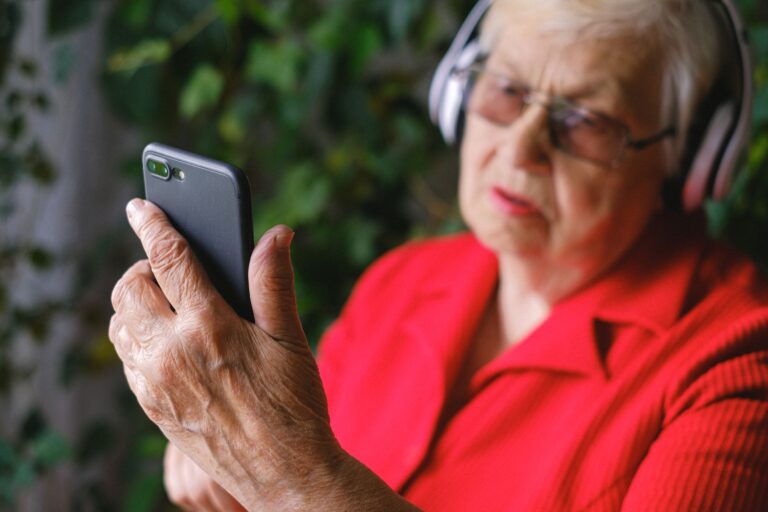
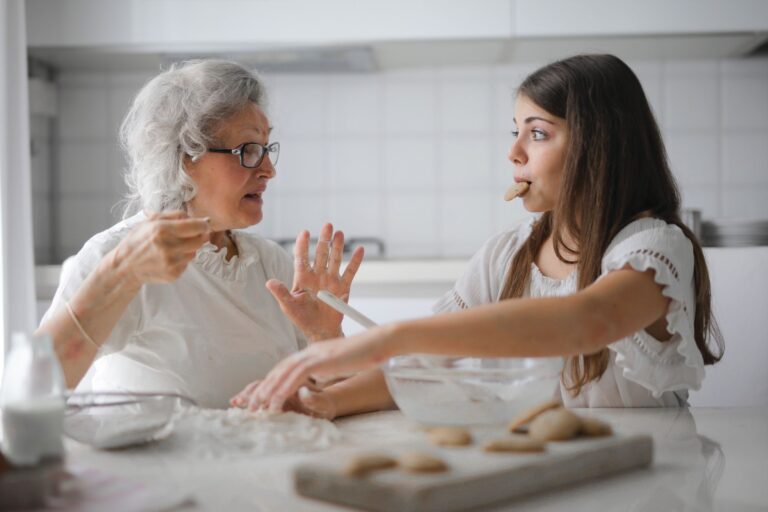
Listening to a saved voicemail from someone familiar can evoke memories, prompt emotional response, and create a sense of connection—and these effects are particularly meaningful for people with dementia, whose auditory memory often remains intact even as other cognitive abilities decline. A voicemail or recorded message acts as a bridge to the person someone once knew, offering moments of clarity, comfort, and sometimes unexpected conversation.
This practice builds on a growing body of clinical evidence. Reminiscence therapy involving audio and voice components reduces anxiety, depression, and behavioral challenges while improving verbal expression in dementia patients, according to Alzheimer's Association clinical practice guidelines. The mechanism is straightforward: familiar voices reliably trigger emotional and memory recall even when other recognition fades.
Medical information disclaimer: This article is for general educational purposes only and does not provide medical advice, diagnosis, or treatment. Always consult a physician or other qualified health professional about symptoms, medications, tests, or treatment decisions.
Table of Contents
- Why Familiar Voices Reach Through Dementia
- What Research Shows About Voice-Based Connection
- Creating a Voicemail That Works
- When to Use Voicemail Listening in Care Routines
- What This Practice Does and Does Not Achieve
- Frequently Asked Questions
Why Familiar Voices Reach Through Dementia
Auditory memory—the ability to recognize and respond to familiar voices—survives longer than many other cognitive capacities in dementia. Documented across Alzheimer's Association clinical literature and reminiscence therapy research, this persistence means a loved one's voice can spark response when photographs or names may not.
The emotional pathway matters. A voicemail isn't primarily about factual recall; it's about feeling recognized and connected. People with mid-stage dementia may not remember who left the message, but they may feel soothed or engaged by the tone, cadence, and presence in the voice itself.
What Research Shows About Voice-Based Connection
Recent studies quantify these effects. A 2025 study in the Australasian Journal on Ageing found that acousmatic storytelling—using voice recordings and music to inspire conversation—improved verbal communication, emotional expression, and social rapport in early-to-mid-stage dementia patients across twelve one-hour sessions.
In care settings, personalized music and audio reduced agitation and behavioral problems by 63.4% in nursing home residents with dementia, with caregivers reporting significant decreases in physical and emotional burden. Home-based reminiscence interventions using recorded voices and audio prompts improve psychological stability in dementia patients, with benefits persisting up to 3 hours after conversation. This timing matters: the window of calm, openness, or improved communication after listening to a familiar voice is practical to work around.
Creating a Voicemail That Works
The most effective saved messages tend to share certain qualities: Many families keep a library of voicemails or record new ones: a daily greeting, a holiday message, a bedtime comfort message. Caregivers then play these at times when the person seems restless, withdrawn, or during regular check-ins.
- **Keep it personal.** Use a conversational tone, not formal speech. Mentioning something specific—a shared memory, a pet's name, an inside joke—creates more traction than generic greetings.
- **Limit length.** One to three minutes works better than longer recordings; shorter is easier to replay and repeat.
- **Record something the person loved.** A favorite song excerpt, a favorite poem read aloud, or a simple "I'm thinking of you" all serve different moments.
- **Use natural sound.** Background sounds—a kitchen noise, birdsong, or the voice in an everyday setting—can feel more authentic and grounding than studio-quality silence.
When to Use Voicemail Listening in Care Routines
Timing shapes whether this tool calms or distracts. Early morning, late afternoon, or moments when the person seems isolated often work well.
Avoid times of acute distress or medical procedures; use instead during calm periods to create positive anchors. An active clinical trial (NCT06812442) is testing a 3-month individual reminiscence therapy program using voice and memory prompts to evaluate clinical efficacy in older adults with Alzheimer's disease, suggesting personalized protocols may offer greater benefit than one-size approaches. The frequency—once daily, three times a week, or ad hoc—depends on the person's responsiveness and the caregiver's capacity.
What This Practice Does and Does Not Achieve
Listening to a voicemail is not a treatment. It does not slow cognitive decline, reverse memory loss, or replace medical care or dementia-specific interventions. It is a supportive tool that creates moments of connection and can reduce immediate distress—but those moments are temporary.
For some people, voicemail listening becomes a cherished routine that family and professional caregivers rely on. For others, it has little effect or occasionally triggers confusion. Responsiveness varies based on the stage of dementia, the relationship to the voice, and individual personality. Starting small—one short message in a calm setting—lets you see whether this resonates for the person in your care.
Frequently Asked Questions
How often should I play a voicemail for someone with dementia?
Start with once daily or when the person seems anxious or withdrawn, rather than on a fixed schedule. If the response is positive—calmness, engagement, or reduced agitation—keep that pattern. If there's no effect after one week, try a different message or different timing rather than increasing frequency.
What if the person doesn't seem to recognize the voice?
Recognition isn't required for benefit. The tone and presence in a familiar voice can soothe or engage even when the person cannot place who is speaking. Conversational responses, reduced restlessness, or improved mood are signs it's working, regardless of whether they name the speaker.
Can I record a voicemail myself if I'm a professional caregiver?
Yes. Reading a simple greeting, part of a poem, or a calming affirmation in a warm, unhurried tone works for many people. The caregiver's genuine presence in voice matters; professional distance actually reduces effectiveness.