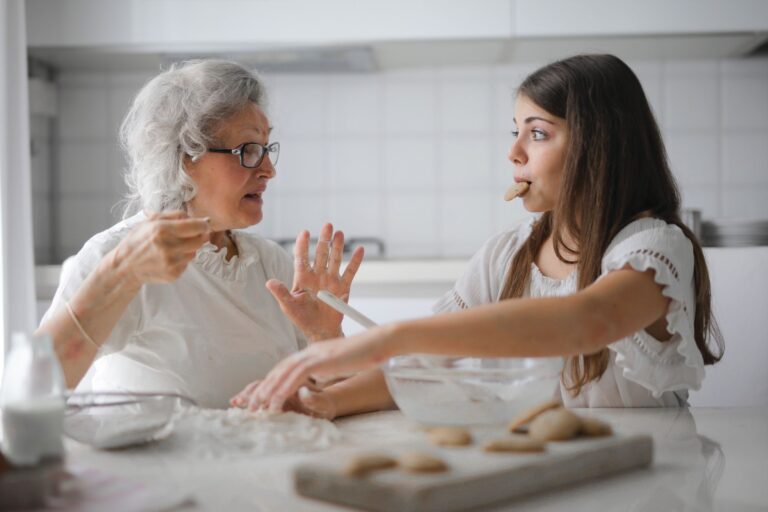
Creating space for connection in dementia care means designing a home environment—both physical and emotional—that centers on family relationships and uses familiar memories to support well-being. When dementia progresses, the family home becomes more than a place to live; it becomes a tool for maintaining identity, reducing anxiety, and preserving the bonds that matter most.
Research shows that family involvement and social engagement directly affect how dementia unfolds. People with low social activity participation experience worsening behavioral symptoms over time, while regular family visits and active participation in shared spaces correlate with better quality of life and reduced isolation. This connection is not a luxury—it is a measurable part of dementia care.
Medical information disclaimer: This article is for general educational purposes only and does not provide medical advice, diagnosis, or treatment. Always consult a physician or other qualified health professional about symptoms, medications, tests, or treatment decisions.
Table of Contents
- Why Family Visits Slow Cognitive Decline
- Home Design Modifications That Work
- Familiar Objects as a Gateway to Memory
- Person-Centered Care Begins at Home
- Turning the Home into a Therapeutic Space
- Frequently Asked Questions
Why Family Visits Slow Cognitive Decline
Social engagement is one of the most evidence-backed interventions in dementia care. Persons with low social activity participation experienced worsening behavioral symptoms over time, according to NIH behavioral research, while consistent interaction has the opposite effect.
At least one hour of weekly social interaction, combined with personalized care routines, decreases severe cognitive impairment risk and significantly improves quality of life. family members who maintain regular presence in the home do more than provide companionship—they anchor the person to their own history and identity. This consistency becomes especially valuable as short-term memory fades; the familiar face, voice, and presence of family members activate preserved long-term memory and reduce the anxiety that often accompanies confusion.
Home Design Modifications That Work
The physical layout and appearance of a home can either complicate or ease daily life for someone with dementia. Specific modifications—color contrast (yellow walls with white cabinets), clear lighting, nonslip surfaces, and visual wayfinding cues—improve daily activity performance and reduce caregiver stress. These changes allow a person to navigate their familiar home independently longer and with less frustration.
Equally important is controlling overwhelming sensory input. Overstimulating or understimulating home environments exacerbate behavioral and psychological symptoms, with acoustic factors particularly influencing challenging behaviors. This means reducing unnecessary noise, limiting visual clutter in key spaces, and creating quiet zones where the person can retreat. The goal is a middle ground—enough stimulation to stay engaged, but not so much that the brain becomes exhausted.
Familiar Objects as a Gateway to Memory
Photographs, personal mementos, and cherished belongings unlock something that medications and therapy alone cannot. Handling familiar objects, photographs, and music stimulates preserved long-term memory brain regions and activates procedural memory, restoring life histories and personal identity. A person with dementia may not remember yesterday, but they may light up when holding a wedding photo or hearing their favorite song.
Reminiscence therapy—involving familiar objects—significantly decreases depression and neuropsychiatric symptoms including agitation and anxiety. This is not nostalgia for its own sake; it is a therapeutic process. Create a memory box or shelf with photos, objects from different life stages, and music that matters to the person. Revisit these items together regularly, letting them spark conversation and connection.
Person-Centered Care Begins at Home
Person-centered dementia care moves beyond managing behaviors to understanding the individual's needs, wants, and goals. Care informed by reminiscence processes improves caregivers' ability to respond to individual needs beyond standard behavioral management. When family members understand what the person values—their favorite meals, preferred routines, meaningful rituals—care becomes personal rather than generic.
In practice, this means adapting the home to reflect the person's preferences. If they were a gardener, create a small indoor plant area they can tend. If they loved cooking, keep them involved in meal preparation at whatever level they can manage. These activities maintain connection to a lifelong identity and give purpose to daily time.
Turning the Home into a Therapeutic Space
The family home has therapeutic power because it is not clinical—it is intimate and lived-in. The combination of a well-designed physical environment, regular family presence, and the use of meaningful memories creates a space where dementia symptoms are less likely to escalate and where the person's sense of self remains intact longer.
The most effective approach weaves all these elements together: a calm, navigable environment; regular visits and engagement from family members; and deliberate use of familiar objects, music, and memories. This transforms caregiving from management to meaningful connection, and the home from a place where dementia progresses into a place where the person is still themselves.
Frequently Asked Questions
How often should family members visit?
At least one hour weekly is the evidence-backed minimum, but more frequent shorter visits often work better than infrequent long ones, depending on the person's energy and comfort.
What if my loved one doesn't seem to recognize me?
Recognition may fluctuate, but your physical presence, voice, and familiar touch still activate memory centers and reduce anxiety, even without conscious recall.
Is it too late to redesign the home if dementia is advanced?
No. Even small changes—better lighting, color-contrasted labels, removing clutter—help at any stage. Prioritize the spaces where the person spends the most time.
Where do I start with reminiscence therapy if I'm short on time?
Begin with one memory item—a photo album or music playlist—and spend 15 minutes together weekly. Consistency matters more than duration.