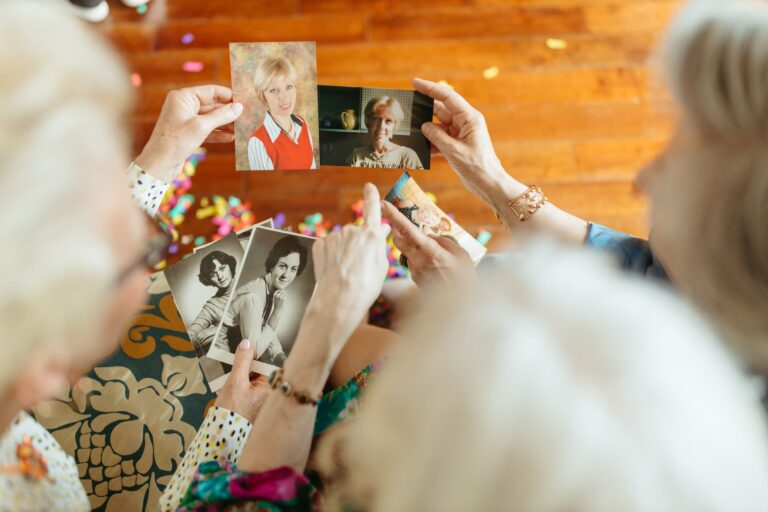
Family home videos activate autobiographical memory systems that remain preserved in dementia, letting patients re-engage with their identity and past even as other cognitive abilities fade. Research shows measurable reductions in agitation, improvements in mood, and increased verbal engagement—but effectiveness depends on dementia stage, video content, and how consistently the videos are used.
This matters because videos aren't sentimental—they're therapeutic. Childhood and adolescent photographs trigger especially robust memory responses in Alzheimer's patients because early autobiographical memories are typically the last to deteriorate. For caregivers, this means footage from decades ago may work better than recent family events.
Medical information disclaimer: This article is for general educational purposes only and does not provide medical advice, diagnosis, or treatment. Always consult a physician or other qualified health professional about symptoms, medications, tests, or treatment decisions.
Table of Contents
- How Video Activates Preserved Memory in Dementia
- Reduction in Agitation and Behavioral Distress
- Increased Verbal Engagement and Connection
- When Videos Work Best—and When They Don't
- How to Use Videos Effectively
- Frequently Asked Questions
How Video Activates Preserved Memory in Dementia
Reminiscence therapy—using personal videos, photographs, and objects from a person's past—activates autobiographical memory systems that remain relatively preserved in dementia, allowing patients to re-engage with their identity and life history even as other cognitive abilities decline. Early memories—childhood, young adulthood—survive longer than recent ones because they're deeply woven into identity.
A person with advanced dementia might not recognize their own adult child but light up at a photo of themselves at age eight. The brain protects these core identity memories longest, making old family videos uniquely powerful for reconnection.
Reduction in Agitation and Behavioral Distress
Behavioral and psychological symptoms—agitation, restlessness, anxiety—are among the most exhausting aspects of dementia for both patient and caregiver. Family videos showing familiar faces and voices reduce agitation and behavioral distress in dementia patients: one randomized controlled trial found 60% of patients viewing family videos showed reduced agitation compared to 35.1% in usual care immediately following the intervention.
These improvements aren't temporary. Group reminiscence therapy improved behavioral and psychological symptoms of dementia and subjective well-being in a 2024 study of 49 older adults with moderate to severe dementia across eight sessions. Recognition of loved ones appears to calm the nervous system, reducing nighttime agitation and resistance to daily care.
Increased Verbal Engagement and Connection
Beyond behavior, videos activate conversation and cognitive response. Computer-assisted reminiscence programs with patients with moderate Alzheimer's disease produced sustained increases in verbal engagement, with intervals of verbal reminiscence rising from below 10% at baseline to 45–75% during intervention sessions. Watching becomes a shared activity, not passive entertainment.
Critically, these benefits extend to caregivers themselves. Caregiver-delivered life review interventions using video significantly reduced care recipients' depression without increasing caregiver burden, while also improving caregiving rewards and relationship quality. Unlike interventions that exhaust caregivers, video reminiscence creates moments both participants value.
When Videos Work Best—and When They Don't
Structure and consistency matter. Internet-based video reminiscence therapy administered once weekly for 12 weeks significantly improved cognitive test scores and reduced apathy in older adults with mild dementia. Regular, organized viewing produced stronger effects than random family video use.
However, benefits are not universal. Recent meta-analytic evidence found reminiscence therapy did not consistently reduce behavioral and psychological symptoms across all studies, suggesting effectiveness varies by patient characteristics, intervention format, and dementia stage. Some people respond dramatically; others show little change. Early-stage patients may discuss memories verbally, while later stages show more emotional response and behavioral calming.
How to Use Videos Effectively
For videos to work as therapy, follow these practices: Start with one session weekly and adjust based on response. Consistency matters more than length.
- Choose footage from the patient's younger years, especially childhood or early family moments
- Keep sessions short: 10–20 minutes, once to three times per week
- Watch together; your presence amplifies the therapeutic effect
- Pay attention to emotional response; stop if videos cause distress rather than comfort
- Prioritize footage showing happiness, pride, or family connection—avoid material that triggers grief or regret
Frequently Asked Questions
What if my loved one doesn't seem to remember who's in the video?
Early recognition may not come from verbal acknowledgment. Watch for emotional shifts—a smile, relaxed posture, reduced agitation—rather than correct naming. Recognition often happens at an emotional level before words can express it.
Can videos actually make agitation worse?
Yes, occasionally. If a video triggers distress rather than comfort—crying, agitation, or withdrawal—stop and try different footage. Focus on moments associated with happiness rather than loss or past difficulties.