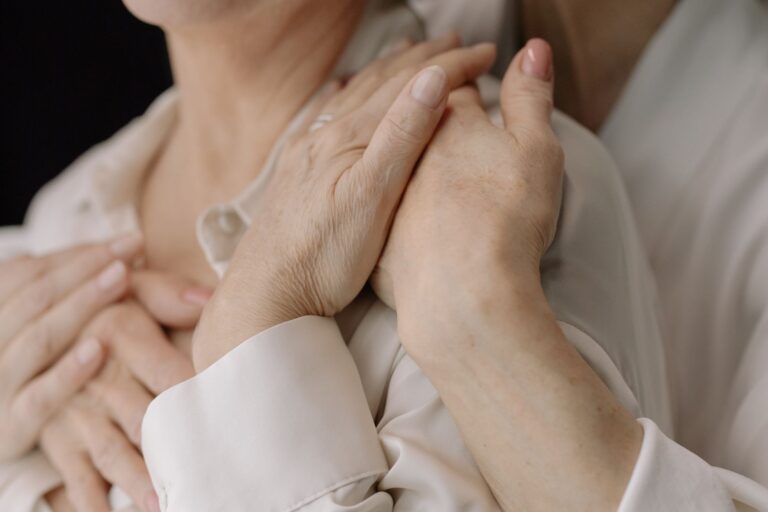
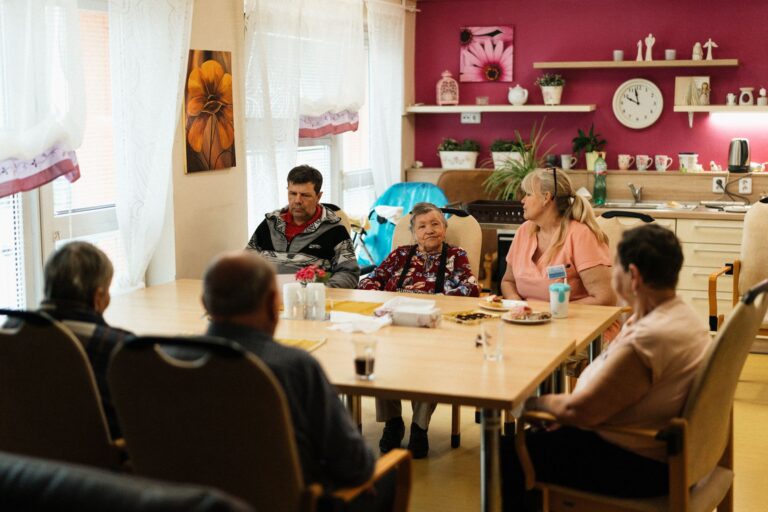
A parent's handwritten note—a letter, card, or brief message in their own handwriting—functions as a therapeutic tool in dementia care, part of an evidence-supported practice called reminiscence therapy that uses familiar objects to unlock memories and foster meaningful conversation. Handwritten correspondence carries multisensory elements that digital messages cannot—the texture of paper, the distinctive shape of familiar handwriting, and even lingering scent—creating a direct bridge between your relative's current self and their intact memories, despite cognitive decline.
Reminiscence therapy is not a cure or memory restoration technique. Rather, it is a psychotherapy intervention documented by the Alzheimer's Association and speech-language pathology research that deliberately uses personal objects and memory prompts to stimulate discussion of past experiences. Handwritten notes from family members are specifically recognized as core components of this approach because they combine the emotional weight of a parent's direct communication with sensory details that trigger recall.
Medical information disclaimer: This article is for general educational purposes only and does not provide medical advice, diagnosis, or treatment. Always consult a physician or other qualified health professional about symptoms, medications, tests, or treatment decisions.
Table of Contents
- Why Handwritten Notes Work Differently Than Digital Messages
- What the Evidence Shows About Benefits
- Using Handwritten Notes in Memory Care
- Understanding What Varies and What Doesn't
- Frequently Asked Questions
Why Handwritten Notes Work Differently Than Digital Messages
When a person with dementia holds a letter written in their parent's hand, multiple sensory pathways activate simultaneously—visual recognition of familiar handwriting, tactile memory of paper texture, and sometimes the faint scent of aged paper or pen ink. According to dementia-care specialists, these multisensory elements unlock memories and create bridges between generations that digital communications cannot replicate. A text message or email exists only on a screen; a handwritten note is a physical object that can be held, reviewed repeatedly, and placed in a person's living space as a constant presence.
This distinction matters because dementia affects different cognitive systems unevenly. A person who cannot recall recent events may still respond to sensory triggers—the feel of their parent's handwriting, the color of the ink, the specific phrases they remember hearing. Reminiscence therapy deliberately leverages these preserved abilities rather than forcing new learning or verbal recall.
What the Evidence Shows About Benefits
Research documents that reminiscence therapy using handwritten correspondence and similar memory objects produces measurable improvements across multiple domains: reduced depression symptoms, improved general well-being, stronger sense of personal identity, better cognitive performance, increased social engagement, and what researchers call ego-integrity—a sense of coherence and meaning about one's life story. These outcomes occur because the intervention helps older adults with dementia resurface existing skills and feel competence by recalling activities and events they performed successfully throughout their lives.
The Alzheimer's Association and NIH-supported research recognize reminiscence therapy as a non-pharmacological intervention worth routine incorporation into dementia care plans. However, effectiveness varies across individuals and care settings, because different reminiscence approaches (letter writing, photo albums, music, scent) work better for different people, and no single standardized protocol has been universally adopted.
Using Handwritten Notes in Memory Care
Handwritten notes are core components of memory boxes—personalized containers placed in memory care residents' rooms or accessible in home care settings. A memory box typically contains photographs, keepsakes, and family correspondence chosen to help recognition and trigger recollection of life stories.
A parent's handwritten letter fits naturally into this framework; the note can be placed in the box, displayed on a nightstand, or kept in a pocket for regular access. If you are building a memory box or setting up reminiscence therapy resources, consider including: Caregivers or activity specialists can use the handwritten note as a conversation starter—sitting with your relative, reading the note aloud, and asking open-ended questions about the person who wrote it or the events it references.
- A handwritten note or card from the person's parent (if available)
- Photographs paired with the note
- Familiar objects from the parent's era or household
- Music from the parent's period of life
Understanding What Varies and What Doesn't
The evidence for reminiscence therapy is robust, but research also reveals important variation: a systematic review of reminiscence therapy in long-term care residents found evidence supporting routine incorporation into dementia care, though effectiveness varies across studies due to lack of standardized protocols, diverse outcome measures, and different reminiscence intervention types. This means a handwritten note will not produce identical results for every person or in every situation.
Factors that influence success include the quality of the relationship between the person with dementia and the person whose handwriting appears in the note, the timing of when the reminiscence activity occurs (some people respond better at certain times of day), and the caregiver's skill in using the note to facilitate genuine conversation rather than simply presenting it passively. A handwritten note from a distant relative may not carry the same emotional weight as one from a close parent. The note works best when it is part of a thoughtful memory care plan, not a standalone object.
Frequently Asked Questions
Does reminiscence therapy work for all stages of dementia?
The research documents benefits across dementia populations, but effectiveness varies by individual. Early-stage dementia may involve more active recall and conversation; later stages may rely more on sensory response to the note itself. A care professional can help assess what approach may work best for your relative's current abilities.
What if I don't have a handwritten note from the person's parent?
You can create one yourself, based on family stories, or use other reminiscence objects—photographs, music from the parent's era, or items the parent owned. Handwritten notes are particularly potent, but the broader reminiscence therapy framework includes many sensory and memory triggers.
How often should I use a handwritten note in reminiscence activities?
There is no fixed schedule in the research. Some care settings incorporate reminiscence therapy weekly; others use it as a calming tool during difficult moments. Observation of your relative's response will guide frequency—if the note consistently generates positive engagement or reduces agitation, regular use is appropriate.