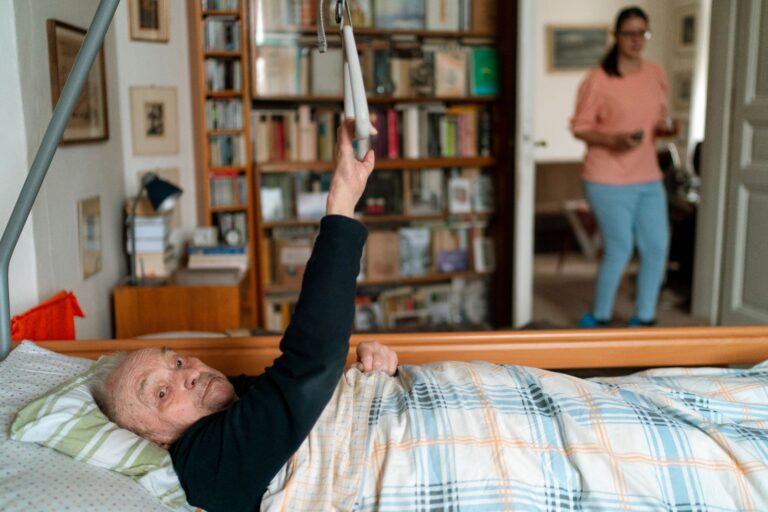
Families preserve old love letters before Alzheimer's progresses by acting early—while the person with dementia can still recall details and reflect on what matters—and by combining digital backup with therapeutic use of the originals. Alzheimer's causes cognitive changes over approximately 15 years, with most people living 4–8 years after diagnosis, but early-stage diagnosis creates a critical window where individuals retain the clarity to narrate memories, authorize preservation, and choose how their story is shared with future generations. The approach works because it serves two parallel goals: protecting irreplaceable documents and using them as an active tool to stimulate memory and emotional connection while capacity remains. Handwritten letters are particularly valuable because their physical qualities—paper texture, distinctive handwriting, lingering scent—trigger emotional recognition in ways digital communications cannot, and they remain meaningful even as disease progresses into later stages.
Medical information disclaimer: This article is for general educational purposes only and does not provide medical advice, diagnosis, or treatment. Always consult a physician or other qualified health professional about symptoms, medications, tests, or treatment decisions.
Table of Contents
- Why timing matters—the early-stage advantage
- Scanning, transcribing, and storing letters safely
- Memory books and reminiscence therapy
- Letters remain valuable even in advanced stages
- Realistic limits and where to focus effort
- Frequently Asked Questions
Why timing matters—the early-stage advantage
Early-stage dementia diagnosis enables people to retain clarity and control over personal memory documentation. At this point, the person can recall details, narrate events with accuracy, and intentionally decide which letters, photos, and stories matter most for their legacy. Waiting until memory loss deepens eliminates this capacity and places the burden of interpretation solely on family members, who must guess what mattered or piece together fragmented stories from remaining fragments.
The window is real but finite. families who learn of diagnosis should begin conversations about letter preservation within the first year or two—before language becomes difficult or recognition falters. This isn't about urgency for its own sake; it's about maximizing the person's agency in their own story.
Scanning, transcribing, and storing letters safely
High-resolution digital scanning preserves handwritten letters without physical deterioration while organizing them in accessible digital systems; transcribing illegible cursive ensures future generations can read what was written. Keep both the original letters and digital copies.
The original preserves irreplaceable sensory qualities; the digital version provides backup, searchability, and shareable access. Simple steps include: This approach takes time but requires no special expertise or expensive service. A smartphone camera and free scanning apps (Adobe Scan, Microsoft Lens) work well for most personal archives.
- Scan letters at 300+ DPI (dots per inch) in color to capture ink, aging, and handwriting detail
- Organize scans by sender, date, or topic in clearly labeled folders
- Transcribe hard-to-read cursive or fading ink into a document alongside the image
- Store digital copies on an external drive and a cloud backup (Google Drive, Dropbox) kept separate from the original letters
Memory books and reminiscence therapy
Reminiscence therapy—evoking past experiences through conversations using personal documents and photos—improves cognitive function and reduces depression in Alzheimer's patients, particularly in early-to-moderate stages. Memory books that integrate old letters, photos, and personal narratives serve dual purposes: preserving family history and providing therapeutic interventions that stimulate autobiographical memory. Creating a memory book doesn't require professional help.
Arrange copies of letters (not originals) alongside related photos and short captions. Include dates, names, and brief context about who wrote each letter and why it mattered. Reviewing the book together—reading passages aloud, asking open-ended questions about memories, noticing details in photos—becomes a structured conversation that engages both emotion and cognition. This works best when started early and used regularly as part of routine activity.
Letters remain valuable even in advanced stages
As disease progresses and reading becomes impossible, love letters shift role but retain value. In advanced stages, when patients cannot read or comprehend written text, love letters read aloud provide voice and presence for comfort and emotional connection. A family member reading a letter in the original writer's memory—or playing a recording of the writer's voice if one exists—offers familiarity and warmth that bridges communication gaps.
The content may not be consciously retained, but the emotional experience often registers. Tone, repetition, and presence matter more than comprehension. This use of letters reflects a practical truth: dementia's damage varies by brain region, and emotional processing centers remain responsive longer than memory centers do.
Realistic limits and where to focus effort
Reminiscence therapy effectiveness declines sharply in late-stage severe dementia when emotional processing centers themselves deteriorate. This means resource and emotional investment in early-stage preservation and use maximizes both therapeutic benefit and legacy outcomes. Families sometimes delay preservation because they feel they have time; by the time diagnosis is clear and organized, moderate cognitive decline may have already narrowed the window for the person to participate in choosing what to preserve.
Understanding this limitation is not cause for guilt but reason for clarity. If a parent has received a dementia diagnosis, prioritize letter preservation and memory-book creation now. If that window has already closed and disease is advanced, accept that benefit will be lighter but that reading letters aloud still offers comfort. Neither timeline is wrong; both call for different timing and expectations.
Frequently Asked Questions
Can I use a smartphone to scan letters?
Yes. Free scanning apps like Adobe Scan or Microsoft Lens produce high-quality digital copies. Place the letter on a flat surface with good lighting, photograph it straight-on to avoid glare, and save copies to cloud storage as backup.
Should I transcribe every letter or just the important ones?
Transcribe letters that are difficult to read or that contain important family information. Clear, legible letters need not be transcribed, but a brief caption noting the writer, date, and context helps future readers navigate the collection.
What if the person doesn't want to look at memory books?
Some people find reminiscence distressing or overwhelming. Respect that boundary. The book remains valuable as a preserved record even if therapeutic use isn't welcomed.
Can I use a professional archival service to preserve letters?
Yes, if budget allows. Services like Anderson Archival handle scanning, transcription, and long-term storage. For most personal collections, careful home preservation with cloud backup achieves the same outcome at lower cost.