Brushing a parent's hair is a tactile, sensory activity that goes beyond hygiene—it's an evidence-backed way to reduce agitation, strengthen emotional connection, and reinforce identity as dementia progresses. According to a National Institutes of Health review, sensory interventions including hair grooming and massage produced statistically significant reductions in agitation in dementia patients, making these activities among the most consistent non-pharmacological strategies available to caregivers. Hair care helps people with dementia feel more like themselves by promoting self-esteem, dignity, and connection. As neurological systems decline, hands-on grooming support becomes both a preventive tool against behavioral distress and a bridge to belonging between parent and caregiver.
Medical information disclaimer: This article is for general educational purposes only and does not provide medical advice, diagnosis, or treatment. Always consult a physician or other qualified health professional about symptoms, medications, tests, or treatment decisions.
Table of Contents
- Why Touch Matters When Language Fades
- How Grooming Reduces Agitation and Stress
- Why Grooming Becomes Harder as Dementia Progresses
- Practical Approaches to Effective Hair Care
- Cost-Effectiveness Compared to Medication
- Frequently Asked Questions
Why Touch Matters When Language Fades
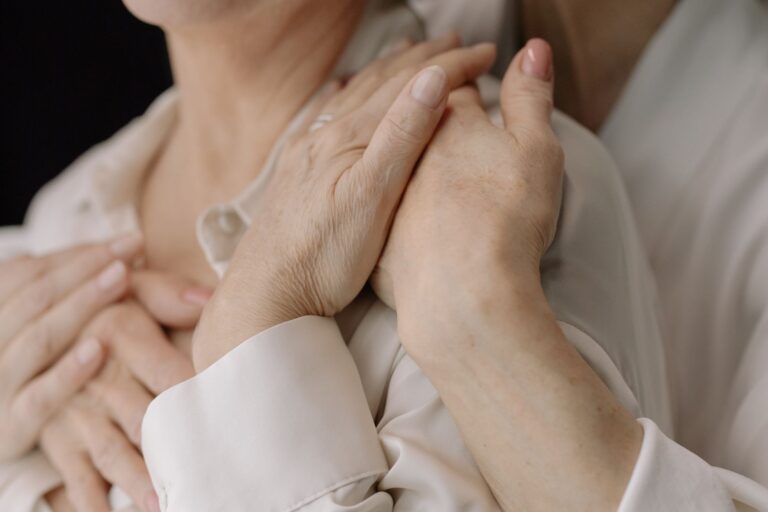
Touch is one of the last senses to remain intact as dementia progresses, making it a direct pathway to comfort when words and memory fail. Touch ranks among core forms of nonverbal communication—alongside eye contact and facial expression—that improve security and quality of life by creating emotional bridges when language skills decline, according to research documented in the International Journal of Nursing Studies. Brushing a parent's hair activates this channel: the rhythm, texture, and gentle pressure communicate care and presence without requiring speech.
People with dementia report finding hair care and grooming "very relaxing" and experience them as social, pleasurable activities, according to the Alzheimer's Association. Hair styling also reinforces identity and self-worth. A person may no longer recognize their reflection but can still feel the positive emotion of being cared for—of looking and feeling like themselves.
How Grooming Reduces Agitation and Stress
Agitation in dementia is not defiance or stubbornness—it's communication. The Alzheimer's Association notes that behaviors function as ways of expressing confusion, anxiety, pain, or unmet needs that language can no longer convey. Reframing grooming as dialogue rather than a task transforms how caregivers approach it: you're responding to what your parent is trying to tell you.
The physical effects are measurable. Research published in the Journal of the American Medical Directors Association found that hand massage applied to hospitalized dementia patients over three weeks produced significantly larger decreases in biological stress markers—salivary cortisol and alpha-amylase—compared to controls. Hair brushing engages similar sensory pathways: gentle, rhythmic touch signals safety to the nervous system and lowers the stress hormones that fuel agitation.
Why Grooming Becomes Harder as Dementia Progresses
Grooming assistance becomes therapeutically essential as dementia advances because it requires multiple neurological systems that decline together: fine and gross motor control, memory, spatial awareness, and the ability to sequence steps. When these systems fail, grooming support is preventive—it reduces behavioral distress and preserves dignity during a period when a person cannot manage these tasks alone, according to the National Institute on Aging.
A person who once brushed their own hair may no longer understand the tool, remember the steps, or tolerate the sensation without reassurance. Hair care provided by a trusted caregiver fills this gap: it's maintenance, yes, but also a form of embodied communication that says "I know you, I'm here, and you're safe.".
Practical Approaches to Effective Hair Care
Dementia-aware grooming starts with reframing: approach hair care as connection, not a task to complete. Explain what you're doing in simple words. Watch for signs of discomfort—pulling away, agitation, or resistance. If your parent resists, pause and try again later.
Forcing the activity defeats its calming purpose. Use a soft brush and maintain a calm tone. Consider timing: early morning or after meals may feel less stressful than peak agitation times. Some people respond better to professional or familiar caregivers. Dementia-aware grooming approaches reduce agitation and fear while building sustained trust, according to the Alzheimer's Association—the ritual itself and the consistent presence matter as much as technical skill.
Cost-Effectiveness Compared to Medication
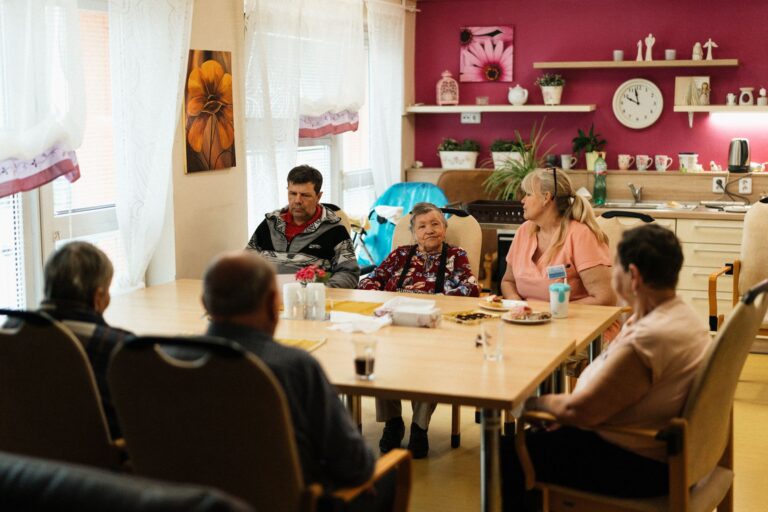
Sensory interventions like grooming are not just emotionally beneficial but economical. According to an NIH systematic review, sensory interventions including grooming cost £24–£143 per unit reduction in agitation versus pharmacological alternatives, with immediate effects appearing in care-home settings. This makes touch-based activities evidence-backed and cost-effective compared to medication adjustments or other behavioral management approaches—and with no side effects.
Frequently Asked Questions
What if my parent resists having their hair brushed?
Resistance often signals discomfort, confusion, or poor timing rather than defiance. Pause, try again later, use a softer brush, or ask a different caregiver. Forcing the activity defeats its calming purpose and can increase agitation.
Does hair care have to be done every day?
Frequency depends on hair type, your parent's preferences, and what calms them. Some people benefit from daily brushing; others find it stressful. Follow your parent's cues and prioritize the emotional connection over a rigid schedule.
Can professional hair care (salon visits) replace home grooming?
Professional care is valuable and can be more relaxing for some people, but regular home grooming by a trusted caregiver builds ongoing connection and allows you to monitor for scalp issues or discomfort. Many families use both.