Memory boxes containing personal keepsakes—photographs, textured fabrics, jewelry, and other familiar objects—create moments of emotional and cognitive engagement for people with dementia. These tangible collections work by bypassing language barriers and accessing memories through multiple senses, allowing meaningful connection even when conversation becomes difficult. Creating a memory box is not therapy administered by a professional, but rather a family-centered activity that serves as a bridge between caregivers and people with cognitive decline. Research shows that reminiscence therapy using personal objects significantly improves cognitive function while reducing depression and improving quality of life.
Medical information disclaimer: This article is for general educational purposes only and does not provide medical advice, diagnosis, or treatment. Always consult a physician or other qualified health professional about symptoms, medications, tests, or treatment decisions.
Table of Contents
- How Sensory Objects Bypass Memory Barriers
- What to Include in a Memory Box
- The Measured Benefits of Memory Boxes
- Using a Memory Box with Your Family Member
- Keeping Memory Boxes Practical and Safe
- Frequently Asked Questions
How Sensory Objects Bypass Memory Barriers
When dementia damages the brain regions responsible for verbal recall, familiar sensory experiences often remain accessible. A photograph may not trigger a named memory, but the texture of a piece of clothing or the scent of a familiar perfume can unlock emotional recognition and awareness even in advanced cognitive decline.
Sensory objects in memory boxes engage multiple senses to trigger emotions and memories when verbal communication becomes limited. For individuals with Alzheimer's disease, tactile, olfactory, and visual stimuli—a soft blanket, a favorite piece of jewelry, old photographs—create recall access points that names and words cannot reach.
What to Include in a Memory Box
Effective memory boxes combine objects representing different life stages and sensory experiences. Items should include multiple sensory modalities—photographs, textured fabrics, familiar scents, and small treasures like jewelry—to maximize cognitive engagement.
Single-sensory objects work, but richer combinations create more access points for memory retrieval. Consider including: Arrange items so they invite handling and touch, not just looking.
- Photographs from different decades, labeled with names and dates
- Textured items: soft scarves, embroidered handkerchiefs, or quilts
- Items with scent: a familiar cologne, lavender sachets, or dried herbs
- Small treasures: wedding rings, watches, pins, or keepsakes tied to specific people or events
- Objects representing hobbies or work: gardening gloves, recipe cards, craft materials
The Measured Benefits of Memory Boxes
Research involving 1,963 participants showed that reminiscence therapy increased overall cognitive function compared to control groups, with broader benefits including reduced depression and improved quality of life. These improvements extend beyond the immediate memory engagement—stress markers measurably decrease during sessions, suggesting real physiological calm.
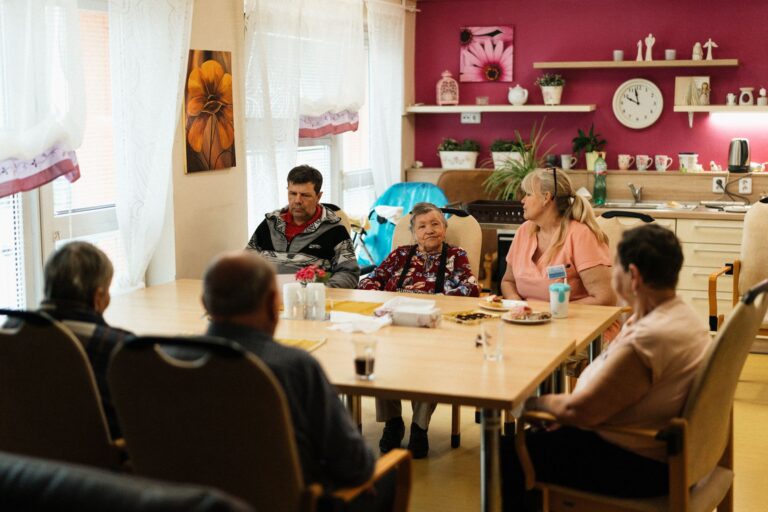
Memory boxes serve as conversation starters that foster connection, provide mental stimulation, and help individuals feel understood despite cognitive changes. family caregivers report that shared reminiscence becomes a primary source of interaction and emotional bonding when other forms of communication falter.
Using a Memory Box with Your Family Member
Set aside time without rushing—even 10 to 15 minutes of unhurried sharing is more valuable than longer sessions with time pressure. Open the box when your family member is most alert and least agitated, typically in the morning or early afternoon. Let your family member lead: hand them items to hold, ask open-ended questions ("Tell me about this?"), and listen to whatever they say without correcting or redirecting.
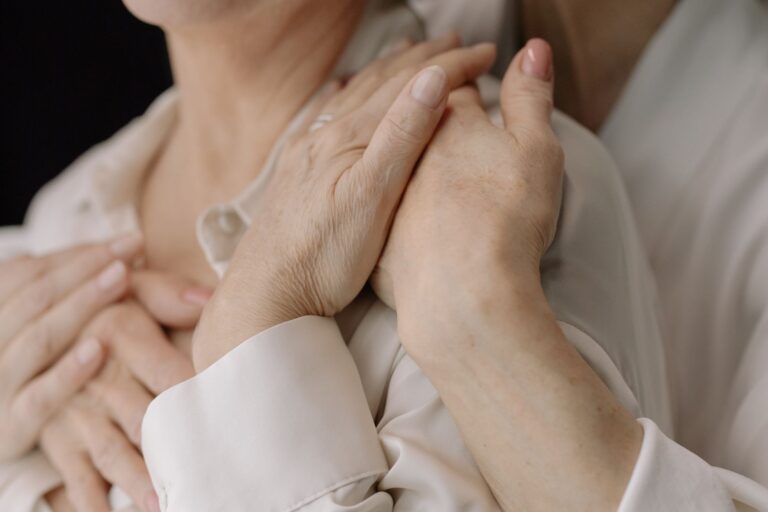
Shared reminiscence sessions enable connection on a deeper emotional level even when language-based conversation is difficult. Silence and gentle handling are also valid—the act of touching a familiar object and your presence matter as much as words. Family involvement in dementia care—through participation in activities and structured interactions—provides protective benefits against caregiver stress and improves outcomes for both patients and caregivers. Using a memory box together is one tangible way to create that meaningful engagement.
Keeping Memory Boxes Practical and Safe
Store the box in an accessible but secure location—you want easy access during sessions without risk of your family member wandering off with small items like jewelry. Check items periodically for damage; soft goods may need cleaning, and objects with sharp edges should be replaced.
If your family member becomes distressed by an object—perhaps a photo triggers grief—remove it without explanation. Memory boxes evolve as dementia progresses; items that engaged someone in early stages may become less meaningful later, and that's normal. The goal is connection and calm, not forcing recall.
Frequently Asked Questions
Do I need professional help to create or use a memory box?
No. While some memory care facilities offer reminiscence programs, you can create and use a memory box at home with your family member. Training in basic reminiscence techniques—allowing your family member to lead, asking open-ended questions, and practicing patience—enhances the experience.
When is a person with dementia "too far gone" for a memory box to help?
Sensory engagement remains possible even in late-stage dementia. While verbal responses may disappear, familiar textures, scents, and tactile experiences often produce visible signs of recognition, comfort, or calm. Try it and observe whether your family member shows signs of engagement or relaxation, regardless of whether they can speak about the items.
How often should we use the memory box?
There is no strict schedule. Some families use it weekly, others a few times a month. More important than frequency is consistency—regular, calm sessions create a predictable ritual your family member may come to anticipate. Even brief engagement (10–15 minutes) produces measurable psychological benefit.