Recipe cards in a parent's handwriting hold particular power during dementia because they engage multiple senses at once—sight, touch, smell, and taste—creating memory pathways that often remain accessible even as other memories fade. These handwritten notes become conversation starters and tools for connection, helping people with dementia access both distant memories of family traditions and the motor skills involved in cooking itself.
The significance lies not in nostalgia alone, but in how the brain processes food-related memories. Unlike recent events or facts, food memories engage multiple sensory pathways that create stronger neural connections and show remarkable resilience when other memory systems decline. A parent's handwriting on a recipe card adds another layer: it's a tangible link to identity and love that can comfort someone during confusion or distress.
Medical information disclaimer: This article is for general educational purposes only and does not provide medical advice, diagnosis, or treatment. Always consult a physician or other qualified health professional about symptoms, medications, tests, or treatment decisions.
Table of Contents
- Why Handwritten Recipe Cards Preserve What Dementia Takes
- How Recipe Cards Become Reminiscence Tools
- Practical Ways to Use Recipe Cards in Daily Care
- Preserving and Creating Recipe Cards Before They're Needed
- When Recipe Cards Work Best and Their Limits
- Frequently Asked Questions
Why Handwritten Recipe Cards Preserve What Dementia Takes
Personal items in dementia care trigger memories through multisensory stimulation and can evoke positive emotions when confusion sets in. A recipe card written in a parent's hand combines multiple powerful elements: the visual memory of familiar handwriting, the sensory associations of specific foods, and often the emotional connection to times when that person cooked for the family.
Cooking skills and recipe-related procedural memories show particular resilience in dementia, often remaining accessible when someone can no longer recall recent conversations or events. The motor memory of how to fold dough or the sequence of ingredients stays encoded differently than fact-based memories. Family recipes carry cultural heritage and emotional connections to specific people and places—information that often remains accessible because it is embedded in long-term episodic and procedural memory.
How Recipe Cards Become Reminiscence Tools
The World Health Organization recommends reminiscence therapy, which uses all five senses to help dementia patients remember events from their past, as a first-line non-pharmacological intervention. Recipe cards fit directly into this evidence-based approach because they can bridge sensory memory and emotional connection.
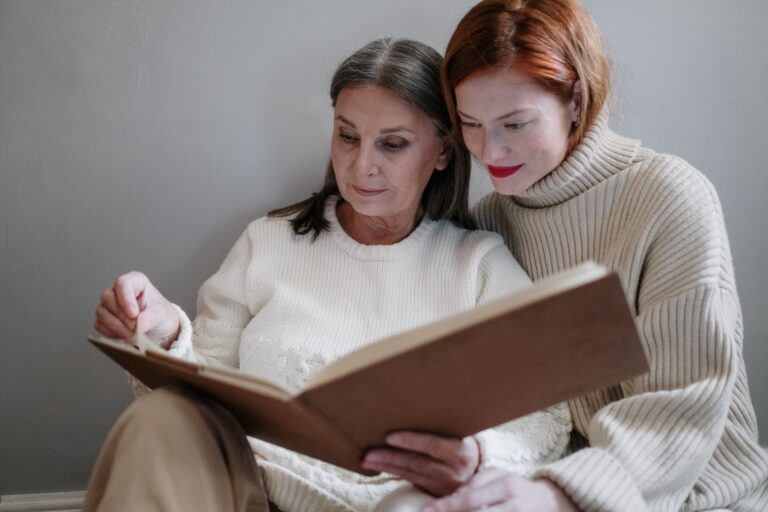
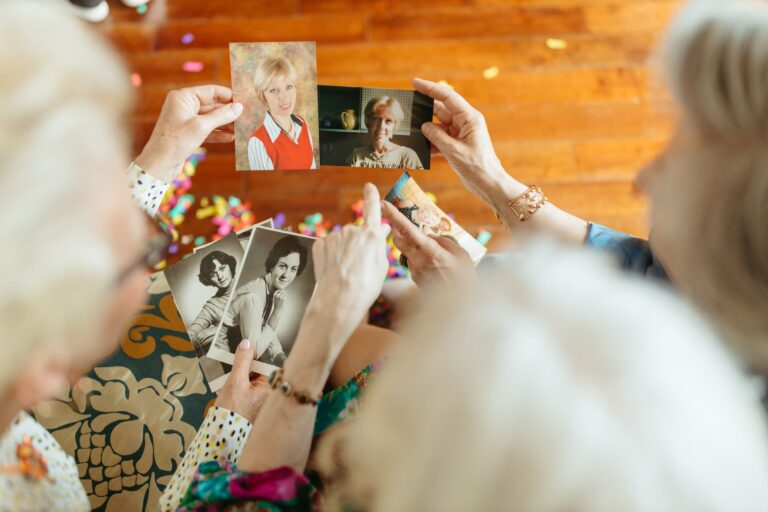
Handwritten notes and recipe cards are standard inclusions in dementia memory boxes, where they convey messages of love and serve as conversation starters between caregivers and patients. When a caregiver and someone with dementia sit down with a recipe card together, the activity itself—reading it aloud, gathering ingredients, perhaps cooking together—becomes the tool for engagement.
Practical Ways to Use Recipe Cards in Daily Care
The most effective use pairs the recipe card with sensory objects. Have vanilla pods, cinnamon sticks, or lemon zest nearby; let the person smell them while you read the recipe together. This multisensory approach strengthens the memory trigger.
You do not need to complete a full recipe. The goal is engagement and connection. Even if cooking never happens, talking through the steps, discussing family meals, or simply holding the card and recognizing the handwriting creates meaningful moments. For people with dementia, staying engaged in these activities keeps them connected, appreciated, and emotionally joyful.
Preserving and Creating Recipe Cards Before They're Needed
Handwritten recipe cards represent a form of family legacy documentation that validates a person's lived experience, yet most family recipes remain tucked away rather than digitized or passed down. If you have a parent's handwritten recipes, preserving them now—rather than waiting until memory loss accelerates—creates an intentional care tool. If your parent has not written recipes down, ask them now.
Request one or two favorites in their own handwriting, with notes about when they made it, who they served, or what it meant to the family. Include not just ingredients and steps, but the story. These cards become irreplaceable once memory changes take hold.
When Recipe Cards Work Best and Their Limits
Recipe cards work especially well for people in the mild to moderate stages of dementia who can still engage with written text and follow steps with support. They work less effectively if someone has lost the ability to read or process sequential instructions, though the sensory and emotional elements may still provide comfort. Recipe cards are not a substitute for medical care or treatment.
They are a tool to foster connection, spark memory, and create moments of purpose. Some days the card will land powerfully; other days it may not register. This variability is normal and does not mean the effort is wasted—consistency and presence matter more than perfect outcomes.
Frequently Asked Questions
What if my parent never wrote down recipes?
Ask them to write down one or two favorites now, including the handwriting, ingredients, steps, and family stories attached to each recipe. If they are no longer able to write, you can transcribe their words by hand yourself and include notes about their memories.
Can you laminate recipe cards for durability?
Yes, laminating preserves the card during frequent handling and in the kitchen. If the handwriting is precious to you, make a copy first and laminate that, keeping the original safe at home.
Do recipe cards work if someone can no longer cook?
Yes. The card can trigger memories and conversation, serve as a sensory prompt with related spices or ingredients nearby, or simply be held and appreciated. Cooking itself is optional.
What if my parent cooked from memory, never from recipes?
Sit with them now and ask them to narrate a favorite recipe step-by-step while you write it down in your handwriting. Later, you can recreate it in their handwriting or simply keep your version. The act of recording it together creates both a memory and a keepsake.