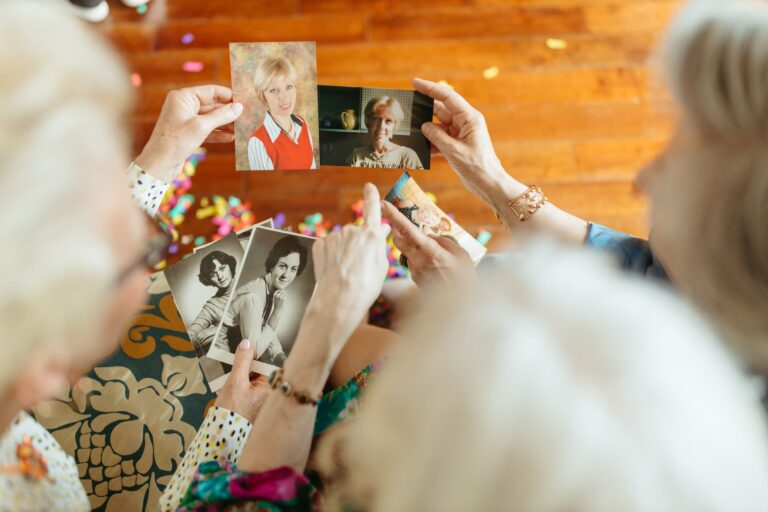
Wedding photographs hold a particular power in dementia care that goes beyond nostalgia—they access preserved long-term memories and emotional bonds that often survive when recent events fade completely. Even when someone with dementia cannot recall their wedding date or specific details from that day, the photograph itself can trigger recognition, emotional warmth, and a sense of connection to their spouse and life story, because major life transitions are stored differently in the brain than everyday memories.
The "hidden meaning" is neurological: wedding images activate pathways tied to emotional memory and identity that persist longer than the verbal memory of facts and dates. Research on autobiographical memory in dementia shows that memories formed between ages 10 and 30—a period psychologists call the "reminiscence bump"—remain more resilient. Wedding photographs become tools for caregivers and families to reconnect someone with preserved parts of themselves.
Medical information disclaimer: This article is for general educational purposes only and does not provide medical advice, diagnosis, or treatment. Always consult a physician or other qualified health professional about symptoms, medications, tests, or treatment decisions.
Table of Contents
- Why Wedding Memories Resist the Memory Loss of Dementia
- The Emotional Layer Beneath the Details
- How Caregivers Use Wedding Photos in Practice
- Understanding When This Works—and When It Doesn't
- The Relational Benefit Beyond Memory
- Frequently Asked Questions
Why Wedding Memories Resist the Memory Loss of Dementia
Your brain stores wedding day memories across multiple systems—emotional, visual, and narrative—which fade at different rates as dementia progresses. The Alzheimer's Association documents that people with dementia may recognize wedding photos or recall stories about their wedding more readily than recent events, because those major life events belong to the "reminiscence bump," a window of stronger encoding that occurs during young adulthood.
Visual memory pathways can outlast verbal and narrative memory, which means someone may not be able to *tell* you about their wedding, but they may *recognize* themselves and their spouse in a photograph. This explains why a wedding picture sometimes produces a moment of clarity—a smile, a gesture of recognition—even when conversation fails.
The Emotional Layer Beneath the Details
When someone with dementia sees a wedding photograph, the emotional meaning often surfaces before or instead of specific memories. Dementia changes how people access love and relationships, but the emotional bond and sense of commitment with a spouse often remain intact far longer than the ability to recall event details or dates. A photograph can reactivate that feeling of safety, comfort, and connection—what researchers call emotional memory—even if the person cannot articulate *why* they feel it.
Multiple care settings report that wedding photos produce measurable emotional responses—light-up moments, smiles, and engagement—even when the person cannot recall the specific memory. These moments matter not because they restore lost facts, but because they restore a moment of joy and reconnection. The photograph bridges preserved feeling and lost detail.
How Caregivers Use Wedding Photos in Practice
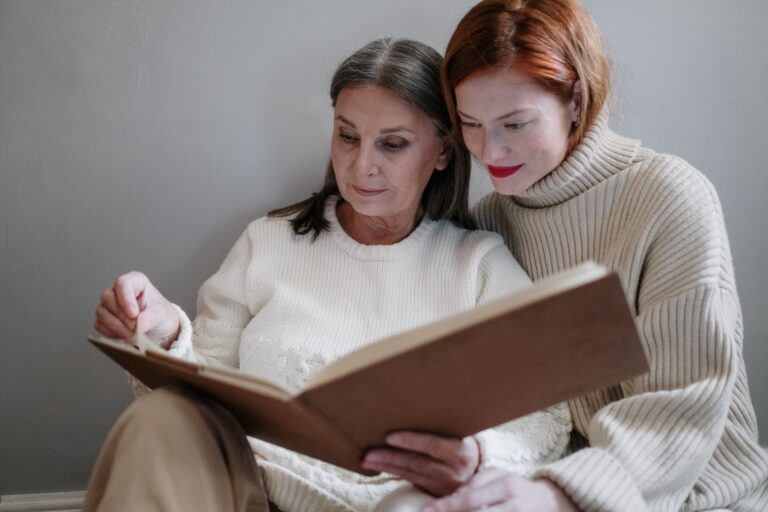
One therapeutic approach is reminiscence therapy, which uses photographs—especially wedding images—to prompt conversation, memory, and emotional engagement. Life story books that incorporate wedding photographs, invitations, telegrams, and other multimodal memory objects have been shown to restore access to identity-preserving memories in people with moderate dementia.
These books work because they combine visual cues, textures, and objects that trigger different memory pathways simultaneously. Practical steps include:.
- Gather original wedding photos, invitations, or announcements
- Create or compile a simple memory book organized chronologically
- Include written captions with names, dates, and emotional details ("This is our wedding day—you looked beautiful")
- Place the book in a common area for regular browsing, or review it together during quiet moments
- Combine photos with objects—a wedding ring, a saved invitation, a fabric swatch from the dress
Understanding When This Works—and When It Doesn't
Timing and disease stage determine how well wedding photos engage someone with dementia. Early to moderate dementia is the "sweet spot" for reminiscence therapy: the person has enough preserved memory to recognize themselves and make associations, but enough impairment that visual cues and emotional anchors become especially valuable. The therapeutic benefit is strongest when visual memory pathways remain relatively intact.
A key limitation is that in advanced dementia stages, even a wedding photograph may become just another unrecognizable image if emotional associations and procedural memory pathways have been severely disrupted. Effectiveness depends on the individual disease trajectory and how much of the brain's memory and emotional systems remain accessible. Wedding photos are not a cure or universal solution; they are one of several tools that work best at specific disease stages.
The Relational Benefit Beyond Memory
When a spouse or family member shares a wedding photograph with someone with dementia, the act itself—not just the image—reinforces relationship and identity. Wedding photos reduce social isolation and depression by reconnecting residents with moments of pride, joy, and intimate connection, according to reports from multiple care settings. For spouses, seeing their partner light up at a wedding photo—even without verbal recognition—can affirm that something enduring remains, even as the disease progresses.
The "hidden meaning" is ultimately relational: a wedding photograph is a shared anchor between the person with dementia and those who love them. It says, without words, "You mattered. You were loved. You belonged to someone, and that was real." That emotional and existential truth persists even when the ability to narrate it does not.
Frequently Asked Questions
Will a wedding photo always help someone with dementia recognize me?
Not always. Recognition depends on disease stage and individual memory pathways. Early to moderate dementia shows the strongest response; advanced stages may not. Even without recognition, the photo may spark an emotional warmth or moment of connection.
What if someone's dementia is so advanced that the photo means nothing to them?
In late-stage dementia, visual memory systems may be too compromised for reminiscence therapy to be effective. At that point, the photo may matter more to family members as a way to maintain connection and remember who their loved one was.
Are original wedding photos better than copies or digital versions?
Original photographs and tangible objects (invitations, fabric) often work better than digital images because they engage multiple senses—touch, smell, weight—that can trigger additional memory pathways and emotional responses.