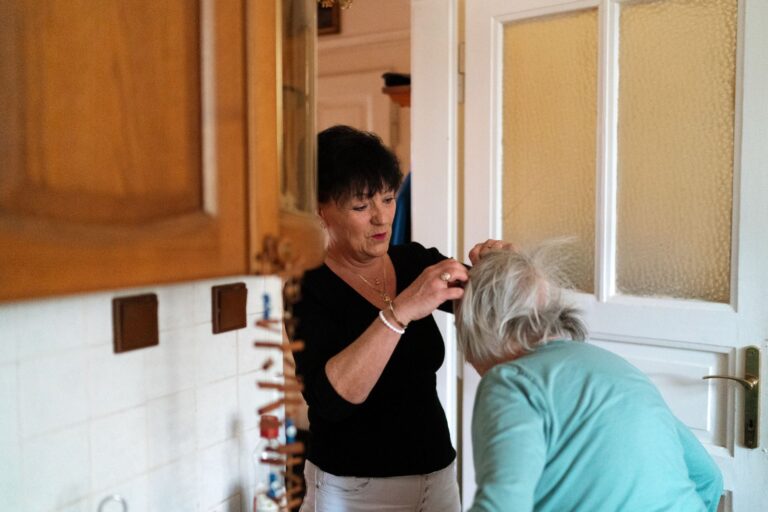
Stage 6 dementia generally describes severe cognitive decline in which a person needs extensive help with daily life. Common changes include agitation or resistance to care, difficulty dressing and bathing, loss of toileting skills or continence, disrupted sleep, wandering, and reduced awareness of danger. For example, a person may enter the bathroom independently but forget how to lower clothing, use the toilet, clean themselves, and change a protective brief without step-by-step assistance. These changes do not appear in the same order or with the same intensity for everyone.
“Stage 6” often refers to stage 6 of the Functional Assessment Staging Tool, or FAST, but clinicians may use other staging systems. Dementia type, physical health, medications, environment, and the person’s lifelong habits can all affect what caregivers observe. A sudden change should not automatically be attributed to dementia progression. New confusion, sleeplessness, aggression, or incontinence may result from pain, constipation, urinary symptoms, dehydration, medication effects, or another illness. Prompt medical assessment is especially important when symptoms begin abruptly or accompany fever, weakness, a fall, breathing difficulty, or unusual drowsiness.
Medical information disclaimer: This article is for general educational purposes only and does not provide medical advice, diagnosis, or treatment. Always consult a physician or other qualified health professional about symptoms, medications, tests, or treatment decisions.
Table of Contents
- What Behavior Changes Occur in Stage 6 Dementia?
- Toileting and Incontinence Changes in Stage 6 Dementia
- Sleep Disruption, Nighttime Confusion, and Day-Night Reversal
- Practical Safety Changes for the Home and Daily Routine
- Common Care Problems, Medical Triggers, and Caregiver Limits
- Communication During Personal Care and Distress
- Planning for Supervision and Emergency Situations
- Frequently Asked Questions
What Behavior Changes Occur in Stage 6 Dementia?
stage 6 dementia can affect judgment, emotional regulation, communication, and recognition. A person may become suspicious, repeat the same question, accuse others of stealing, follow a caregiver from room to room, resist bathing, or become distressed when routines change. Some people experience hallucinations or false beliefs, while others become quieter and less responsive. These behaviors usually reflect changes in the brain, unmet needs, or confusion rather than deliberate misconduct. The immediate trigger is often more useful than the behavior’s label.
A man who shouts during dressing may be frightened because he no longer recognizes the caregiver or understands why his clothes are being removed. Someone who repeatedly asks to “go home” may be expressing a need for familiarity, security, or a person associated with an earlier period of life. Correcting the facts can intensify distress; acknowledging the emotion and redirecting to a familiar activity may work better. Caregivers should look for patterns involving time, place, noise, hunger, fatigue, pain, and the approach used during personal care. Keeping a brief record may reveal that agitation consistently begins before dinner or after a crowded visit. Threats, physical aggression, or behavior that places anyone in immediate danger require space, a calm exit route, and professional guidance rather than physical confrontation.
Toileting and Incontinence Changes in Stage 6 Dementia
In the FAST framework, stage 6 is divided into functional losses that may include difficulty dressing, bathing, and managing toileting, followed by urinary and then fecal incontinence. A person may still sense the need to use the toilet but be unable to locate it, recognize the toilet, manage fasteners, wipe effectively, or communicate urgency. Incontinence can therefore reflect several problems at once rather than a complete loss of bladder awareness. Practical support may include scheduled bathroom visits, clear signs, good lighting, clothing with simple fasteners, a raised toilet seat, grab bars, and discreet absorbent products. Offering the toilet after waking, before leaving home, and at regular points in the person’s established routine can reduce accidents.
One-step prompts such as “Sit here” are often easier to process than a long series of instructions. not every accident is caused by dementia. Constipation, diarrhea, reduced mobility, prostate problems, diabetes, medication effects, and urinary tract symptoms can contribute. Strong-smelling or dark urine alone does not prove an infection, and antibiotics should not be assumed to be necessary without clinical evaluation. Seek medical advice for pain, blood in urine or stool, inability to urinate, persistent diarrhea, severe constipation, fever, or a sudden decline in continence.
Sleep Disruption, Nighttime Confusion, and Day-Night Reversal
Stage 6 dementia may disturb the brain’s sleep-wake regulation. A person can nap repeatedly during the day, wake frequently at night, become more confused near evening, or believe that it is time to work or prepare breakfast at 2 a.m. Pain, sleep apnea, restless legs, depression, medications, nighttime urination, and an uncomfortable bedroom can make the disruption worse. A consistent morning wake time, daylight exposure, physical activity, and a predictable evening routine may help strengthen sleep cues. Long or late-afternoon naps can reduce nighttime sleep pressure, although eliminating naps completely may leave a frail person overtired and more agitated.
For example, replacing a two-hour evening nap with a short rest shortly after lunch may make bedtime easier without demanding that the person stay awake all day. Nighttime changes require safety planning. Clear pathways, motion-activated lighting, secured exterior doors, and a bedside commode may reduce falls and wandering. Sedating medicines are not a simple solution: they can worsen confusion, balance, continence, or daytime alertness and should be reviewed with a clinician. Loud snoring, gasping, repeated falls from bed, or a sudden reversal of the usual sleep pattern warrants medical attention.
Practical Safety Changes for the Home and Daily Routine
At stage 6, a person may no longer understand risks involving stoves, stairs, traffic, hot water, medications, or unfamiliar people. Safety changes should focus on the hazards the person actually encounters. Useful measures can include locking up medicines and cleaning products, disabling unsafe stove controls, setting the water heater to a safer temperature, improving lighting, removing loose rugs, and storing firearms securely outside the person’s access. There is a tradeoff between protection and unnecessary restriction. A locked exterior door may prevent dangerous wandering, but the person still needs safe movement, meaningful activity, and a way to leave quickly during a fire.
Door alarms, enclosed gardens, identification jewelry, and supervised walks can preserve more freedom than keeping someone seated or confined. Any locking arrangement must comply with local fire and residential safety requirements. Driving should be reconsidered when the person gets lost, misjudges traffic, confuses pedals, ignores signs, or cannot respond reliably to unexpected events. Hiding the keys may stop one trip but does not address access to spare keys or another vehicle. Families may need a clinician-supported driving evaluation and a transportation plan that covers medical visits, errands, and familiar social activities.
Common Care Problems, Medical Triggers, and Caregiver Limits
Pain is frequently underrecognized when a person can no longer describe it clearly. Grimacing, guarding a body part, refusing to walk, striking out during transfers, reduced appetite, or sudden sleeplessness may be the only visible clues. Dental problems, arthritis, skin irritation, pressure injuries, constipation, and poorly fitting footwear are common possibilities that deserve assessment. Eating and drinking may also become more difficult. The person may forget to start, lose interest in a crowded dining room, struggle with utensils, or fail to recognize food.
Finger foods, smaller portions, contrasting plate colors, and quiet supervision can help, but coughing, choking, a wet-sounding voice, recurrent chest illness, or prolonged meals may indicate a swallowing problem. Modified food or thickened liquids should not be improvised without professional advice because they can reduce enjoyment or fluid intake and may not be appropriate for every person. Stage 6 care can exceed what one family caregiver can provide safely. Repeated nighttime waking, lifting assistance, incontinence care, aggression, and constant supervision increase the risk of injury and exhaustion. Warning signs include the caregiver falling asleep while supervising, missing medications, becoming physically ill, or feeling afraid of losing control. Respite care, home health assessment, adult day services, or residential care may become necessary even when the family remains deeply involved.
Communication During Personal Care and Distress
Short sentences, one instruction at a time, a calm tone, and extra response time are often more effective than detailed explanations. Approaching from the front and showing an object before using it can reduce fear. During bathing, for example, the caregiver might offer a warm washcloth and say, “Wash your face,” rather than announcing every step of a full shower.
When refusal is not urgent, pausing and trying again later may be safer than insisting. A person who rejects a morning shower may accept a seated wash after breakfast from a familiar caregiver. Persistent refusal accompanied by pain, skin breakdown, severe odor, or signs of infection requires clinical guidance rather than escalating pressure.
Planning for Supervision and Emergency Situations
Supervision needs should be based on demonstrated abilities, not the stage number alone. Someone who can feed themselves may still be unable to respond to smoke, unlock a door during an emergency, or call for help after a fall.
Families should keep current medication and medical information accessible, identify who can provide emergency coverage, and ensure that emergency contacts know the person has dementia. A recent photograph and description can help responders if wandering occurs. If the person is missing, caregivers should search immediate hazards such as nearby roads, water, stairwells, vehicles, and former workplaces while contacting emergency services promptly; waiting for the person to return can allow a manageable incident to become life-threatening.
Frequently Asked Questions
Is stage 6 dementia the same for every person?
No. Staging describes a general level of functional decline, not a fixed schedule. Symptoms vary with dementia type, physical health, environment, and the staging system being used.
Does incontinence mean the person has reached stage 6?
Not by itself. Incontinence can occur during advanced dementia, but it can also result from mobility problems, constipation, medications, urinary conditions, or other medical causes.
Why does a person with stage 6 dementia become aggressive during care?
The person may be frightened, in pain, overstimulated, cold, embarrassed, or unable to understand what is happening. A slow approach, simpler instructions, privacy, and another attempt later may reduce resistance.
Should a person with stage 6 dementia be left alone?
Many people at this stage need continuous or near-continuous supervision because they cannot reliably recognize danger or respond to emergencies. The appropriate level depends on mobility, wandering, cooking, falls, and other individual risks.
When is a behavior change a medical emergency?
Seek urgent help for sudden severe confusion, one-sided weakness, breathing difficulty, loss of consciousness, serious injury, inability to wake normally, or immediate danger to the person or others. Abrupt changes should be medically assessed even when they appear behavioral.