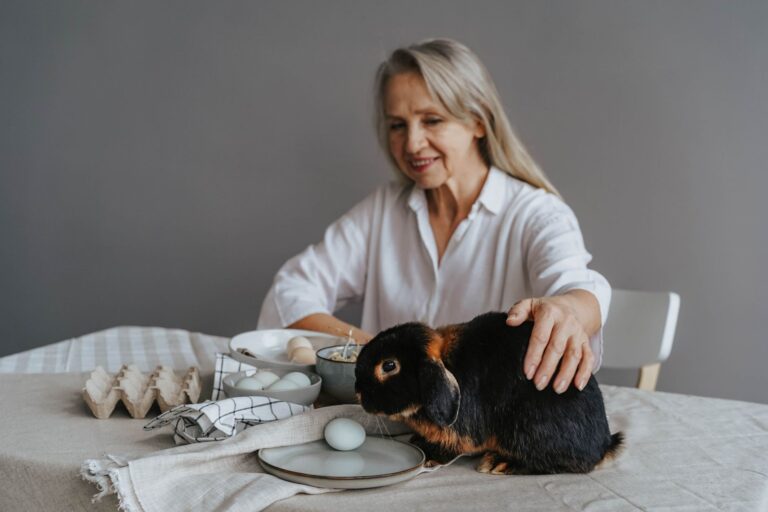
When a person with middle-stage dementia loses interest in doll therapy—the use of a doll for comfort, companionship, or a caregiving role—stop making the doll the focus. Offer familiar music, adult-level art, reminiscence, household tasks, gardening, gentle exercise, walks, food preparation, or safe interaction with a pet. There is no single best replacement. The right alternative fits the person's present interests and abilities, which may differ from what they enjoyed previously.
Medical information disclaimer: This article is for general educational purposes only and does not provide medical advice, diagnosis, or treatment. Always consult a physician or other qualified health professional about symptoms, medications, tests, or treatment decisions.
Table of Contents
- Let changing interest guide the decision
- Choose the purpose before the activity
- Practical alternatives to try
- Introduce activities without pressure
- When a sudden change needs attention
Let changing interest guide the decision
Loss of interest does not mean the activity failed. dementia can change attention, initiative, coordination, and the meaning a person attaches to an object. A doll that once soothed someone may later seem irrelevant, confusing, or burdensome. Do not insist that the person hold, feed, or care for it.
Set it aside without making the change feel like a test or loss. The Alzheimer's Association advises adapting middle-stage care as abilities and interests change, with options such as cooking, gardening, music, and walks. Watch what the person does spontaneously. Humming may point toward music; handling towels may suggest folding; pausing near plants may invite watering or gardening. Small signs of comfort or attention are more useful than asking for a complicated choice.
Choose the purpose before the activity
Consider what doll therapy previously provided. Was it soothing, companionship, sensory comfort, conversation, or a useful role? Choose a replacement that serves the same purpose without requiring the person to remain interested in the doll.
Possible matches include: NICE says people with dementia should be able to choose from a range of wellbeing activities tailored to their preferences. That supports trying several individualized options instead of searching for a universal substitute.
- For calm: preferred music, a familiar scent, photographs, or a quiet walk.
- For purpose: folding laundry, setting the table, watering plants, or helping prepare food.
- For expression: painting, drawing, singing, clapping, or gentle dancing.
- For connection: keepsakes, familiar places, shared music, or safe time with a pet.
- For movement: walking or gentle exercise suited to current ability.
Practical alternatives to try
familiar, preferred music is often easy to introduce because the person can listen without following instructions. Singing, clapping, or dancing can add participation when that feels welcome. The Alzheimer's Association reports that music may reduce agitation and behavioral problems while encouraging engagement. Art can offer purpose and self-expression. Keep it adult in tone, use safe materials, provide simple assistance, and allow ample time. The finished product matters less than whether the process holds attention or creates a sense of accomplishment.
Reminiscence uses photos, keepsakes, music, scents, or familiar places to invite connection. Avoid turning it into a memory quiz. Comment on what you notice, accept the person's response, and let the subject change naturally. Everyday roles may work well when caring for a doll no longer does. The National Institute on Aging suggests activities such as preparing food, folding laundry, setting a table, watering plants, gentle exercise, and safe interaction with a pet. Watching rather than participating is also a valid choice.
Introduce activities without pressure
Offer one simple invitation rather than several choices at once: "Would you like to fold these towels with me?" Demonstrate the first step if needed, then pause. Too many instructions can turn a pleasant activity into a performance demand. Adjust the task while preserving its adult meaning. A person might stir an already measured mixture, place napkins beside plates, sort safe objects, or water one plant. Remove unnecessary steps, but do not make the activity childish.
Use the person's response as the measure of success. Continue when they appear comfortable or engaged. Simplify, switch activities, or stop when they turn away, become tense, repeatedly refuse, or seem tired. Tailored activities have limits. A 2023 Cochrane review involving 485 long-term-care residents found they may slightly reduce agitation, but the evidence was uncertain and some benefits lasted only while activities were being delivered. Treat activities as flexible supports, not guaranteed treatments.
When a sudden change needs attention
A gradual shift in preferences may call for a new activity. An abrupt loss of interest, especially alongside a marked change in behavior or alertness, deserves closer attention rather than an automatic assumption that dementia has progressed. Pain, infection, medication effects, poor sleep, sensory difficulties, hunger, thirst, or an overstimulating environment can contribute to behavioral changes.
The National Institute on Aging advises checking for such causes and seeking clinician attention when appropriate in its guidance on managing personality and behavior changes. Note when the change began, what else changed, and whether it appears across all activities or only with the doll. Report an abrupt or concerning change to the person's clinician, including recent medication changes and signs of discomfort, illness, disrupted sleep, or sensory trouble.