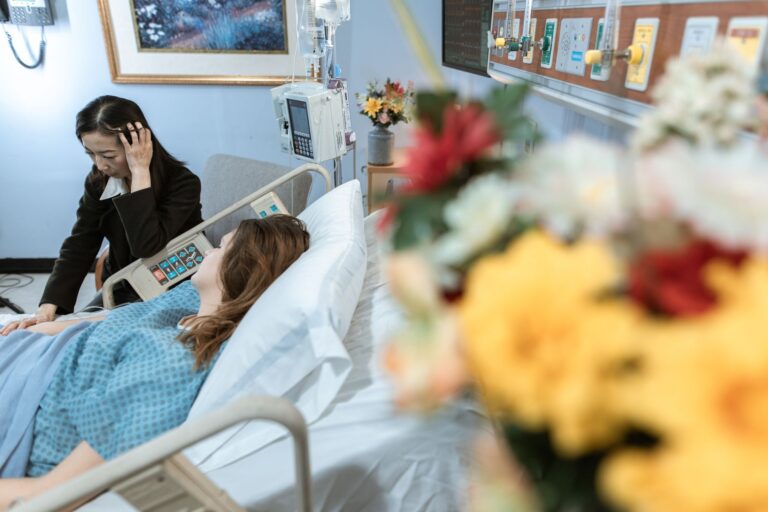
When a person with dementia is distressed by another resident's behavior, separate them calmly and ask staff to protect both residents. Do not argue, crowd the person, or insist that they misunderstood what happened. Take the distress seriously even if the person cannot give a consistent account. Resident-to-resident aggression—verbal, physical, or sexual behavior that harms or frightens another resident—is a documented care-setting problem.
Medical information disclaimer: This article is for general educational purposes only and does not provide medical advice, diagnosis, or treatment. Always consult a physician or other qualified health professional about symptoms, medications, tests, or treatment decisions.
Table of Contents
- Make the situation safer
- Do not dismiss the person's account
- Check for other causes of distress
- Ask for a prevention plan
- Escalate abuse concerns promptly
Make the situation safer
Use a calm voice, offer reassurance, and guide the distressed person toward a quieter area if they are willing. Reduce noise, clutter, and the number of people nearby. A familiar activity may help redirect attention after immediate danger has passed.
The National Institute on Aging recommends calm reassurance, less stimulation, and redirection rather than arguing or escalating the encounter in its guidance on agitation and aggression. Ask staff to keep the residents apart while they assess what happened. If anyone is injured or remains in immediate danger, request urgent medical or emergency help.
Do not dismiss the person's account
dementia can affect memory, language, and the ability to describe events in order. An incomplete or changing account does not prove that nothing happened. Focus first on the person's fear, injuries, location, and immediate needs. The concern is not unusual.
A 2024 study of 930 assisted-living residents in New York found that 15.2% experienced resident-to-resident aggression during one month. Exposure was higher in memory-care units than elsewhere—22.5% compared with 10.3%—according to the JAMA Network Open study. Those figures describe the studied facilities, not every residence. They help establish that the problem is real, but they cannot determine what happened in an individual case.
Check for other causes of distress
Another resident's actions may be the trigger, but pain, illness, constipation, poor sleep, depression, medication effects, noise, loneliness, or a sudden routine change may intensify the response. Staff should investigate both the reported interaction and the distressed person's health.
Request a medical assessment when behavior changes suddenly or remains markedly different from usual. The Alzheimer's Association advises looking for treatable contributors and using environmental and psychosocial approaches before considering medication for anxiety or agitation. Useful observations include:.
- What happened immediately before the distress
- Where and when encounters usually occur
- Whether the same resident is repeatedly involved
- Signs of pain, poor sleep, constipation, or illness
- Recent medication or routine changes
Ask for a prevention plan
A workable response should address the setting, not merely tell the person with dementia to stay calm. Ask how staff will supervise predictable trouble spots, reduce unwanted contact, and respond when either resident becomes agitated. Possible changes include different seating, staggered activities, quieter routes through shared areas, or increased observation at recurring times.
The aim is to reduce triggers while preserving each resident's dignity and access to daily life. Ask staff to document the incident and explain what will change. If events continue, request a care-plan meeting and bring dates, observed injuries, behavior changes, and earlier reports.
Escalate abuse concerns promptly
Report hitting, threats, coercion, unwanted sexual contact, unexplained injuries, or repeated intimidation to the facility's leadership immediately. Ask what safeguards are in place while the incident is investigated.
In Medicare- or Medicaid-certified nursing homes, suspected resident-to-resident sexual abuse requires immediate safeguards, reporting, investigation, documentation, and corrective action. Federal guidance also requires care-plan revision when the resident's needs or preferences change after abuse, as detailed in CMS Appendix PP. Record whom you notified, when you notified them, what you reported, and the response you received.