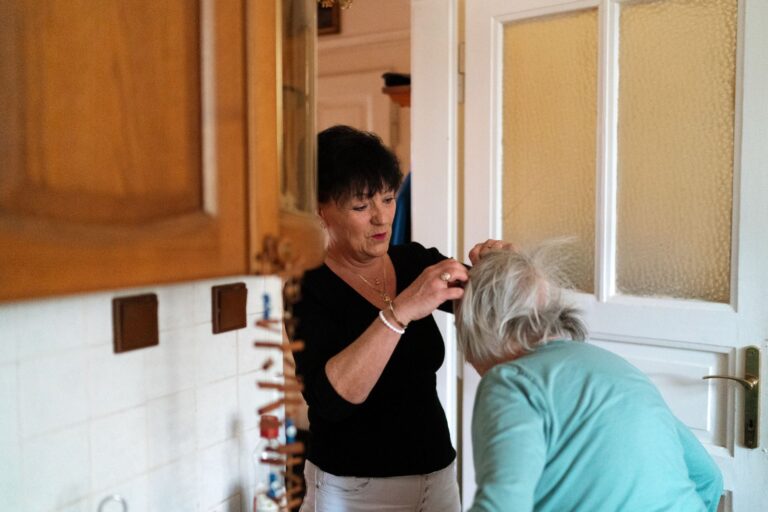
Palliative care in dementia focuses on comfort, dignity, and quality of life rather than curative treatment. It helps manage the physical symptoms that accompany cognitive decline—pain, difficulty swallowing, breathing problems, agitation, and sleep disturbances—while also addressing the emotional and spiritual needs of both the person with dementia and their family. For example, a person with advanced dementia experiencing persistent pain from arthritis may receive medication adjustments, gentle repositioning, or topical treatments that conventional dementia care alone might overlook, allowing them to be more engaged and comfortable during their remaining time.
Palliative care is not exclusive to end-of-life situations. It can begin early in a dementia diagnosis and run alongside treatments aimed at slowing cognitive decline. It shifts the focus from “fixing” the underlying disease to supporting the whole person and reducing suffering. This approach recognizes that as dementia progresses, the goals of medical care often need to change from extending lifespan to preserving function and comfort.
Table of Contents
- How Palliative Care Manages Physical Symptoms in Dementia
- Emotional, Psychological, and Existential Support
- Supporting Communication and Dignity as Abilities Change
- Practical and Emotional Support for Families
- Preventing Harm from Over-Treatment and Medication Conflicts
- Pain and Symptom Management in Late-Stage Dementia
- Building a Palliative Care Plan Before Crisis
How Palliative Care Manages Physical Symptoms in Dementia
Pain is one of the most underrecognized problems in dementia care, partly because people with advanced dementia cannot always communicate where it hurts or how severe it is. palliative care teams use behavioral observation—watching for grimacing, withdrawal, resistance to care, or increased agitation—to identify pain that might otherwise go unnoticed. They then work with the patient’s primary care doctor to adjust medications, add pain relief, or recommend physical strategies like heat therapy or positioning aids. A person with late-stage dementia and a hip fracture, for instance, might receive scheduled pain medication rather than medication only when family requests it, preventing the buildup of untreated discomfort.
Swallowing difficulties (dysphagia) become common as dementia progresses, creating risk of aspiration pneumonia and nutritional decline. Palliative care addresses this by coordinating with speech therapists to modify food texture, monitor for signs of aspiration, and decide—with the family—whether to pursue feeding tubes or rely on comfort measures like sips of fluids and oral care. A significant limitation here is that feeding tubes do not prevent aspiration in advanced dementia and can increase agitation and restraint use; palliative specialists help families understand these tradeoffs rather than defaulting to the tube. Breathing problems, restlessness, and difficulty sleeping often emerge in moderate to advanced dementia. Palliative care may use low-dose medications, environmental adjustments (lighting, noise reduction), or gentle massage to ease these symptoms without over-sedation or unnecessary hospitalization.
Emotional, Psychological, and Existential Support
People with dementia often experience depression, anxiety, and confusion that go beyond cognitive loss. Palliative care addresses these through medication review (some drugs worsen mood), counseling, music therapy, pet therapy, and simple presence—having someone sit with them without demands. A person with early-stage dementia who becomes deeply anxious after diagnosis may benefit from targeted talk therapy and community support groups alongside any cognitive medications they receive, something standard neurology care may not prioritize.
However, a critical limitation is that as dementia advances, talk therapy becomes less effective because the person loses the ability to retain the insights or coping strategies discussed; palliative teams must then shift to non-verbal comfort measures and ensure the environment itself feels safe and familiar. Spiritual and existential concerns—a desire to resolve relationships, review one’s life, or prepare for death—are also part of palliative care. This may involve chaplaincy services, family conversations about legacy, or simply creating quiet space for reflection. These interventions do not slow cognitive decline, but they can reduce existential distress and help families feel they are honoring their loved one’s deepest values.
Supporting Communication and Dignity as Abilities Change
As dementia progresses, conventional communication breaks down. Palliative care trains families and staff to adapt, using pictures, gestures, touch, and simplified speech. It also introduces advance directives early—while the person can still express preferences—so that medical decisions later reflect what the person actually wanted, not what someone guesses they would want.
A person diagnosed with early dementia might work with a palliative care counselor to write down their wishes: “I do not want CPR if I cannot recognize my family,” or “I want to stay at home as long as possible,” or “Quality time with my grandchildren matters more to me than taking new medications.” These documented preferences then guide care as the disease advances and the person can no longer speak for themselves. Palliative care also champions the preservation of personhood—knowing the person’s life history, preferences, and personality, and incorporating these into daily care. Instead of a generic “dementia patient” in a hospital gown, staff and family see someone with specific tastes, a sense of humor, and a history. This shift often reduces behavioral challenges and increases the person’s sense of dignity, even when they cannot remember family members’ names.
Practical and Emotional Support for Families
Dementia caregiving is exhausting and often solitary. Palliative care provides practical respite—arranging in-home help, short-term facility stays, or volunteer visitors—so that primary caregivers can sleep, work, or attend to their own health. It also provides emotional support through regular check-ins, support groups, and crisis counseling.
The tradeoff is time and cost; palliative care services are not always covered by insurance, and families may need to advocate for access or pay out of pocket. In contrast, families without palliative involvement often rely entirely on themselves, leading to caregiver burnout, depression, and sometimes neglect. Palliative teams also help families navigate difficult conversations—talking about what to do if the person stops eating, whether to pursue hospitalization for infections, or when to shift focus away from extending life. These conversations are emotionally hard and often require professional facilitation to ensure all voices are heard and the family’s ultimate decision reflects the person’s values rather than guilt or medical pressure.
Preventing Harm from Over-Treatment and Medication Conflicts
As people with dementia near the end of life, they are often on many medications for conditions like diabetes, high blood pressure, and high cholesterol—drugs designed to prevent future disease over years or decades. Palliative care reviews this “polypharmacy” and asks: “Does this medication still make sense for this person’s goals?” A person with advanced dementia and a life expectancy of months does not benefit from intensive diabetes control; a better goal is comfort. Reducing unnecessary medications also decreases the risk of side effects, drug interactions, and constipation—a serious problem in late dementia.
However, abruptly stopping medications can also cause harm, so palliative specialists work carefully with doctors to taper safely and monitor for withdrawal effects. Hospitalization is another area where palliative care can prevent harm. A person with advanced dementia who develops an infection may be hospitalized, undergo tests, and receive antibiotics—all stressful and disorienting—when comfort-focused treatment at home or in a hospice setting would better serve their actual goals. Palliative care does not reject hospitalization categorically, but it questions whether the benefit justifies the stress and burden on the individual and family.
Pain and Symptom Management in Late-Stage Dementia
In the final stage of dementia, the focus narrows sharply to comfort. Pain, agitation, noisy breathing, and skin breakdown are the main concerns. Palliative care uses low-dose opioids, anti-anxiety medications, and topical treatments to manage these without attempting cure. Oral care, gentle bathing, and frequent repositioning prevent or ease pressure ulcers and maintain dignity.
A person in late-stage dementia who develops pressure ulcers is not a candidate for wound care aimed at healing; instead, palliative care focuses on keeping the ulcer clean, managing odor and drainage, and minimizing pain so the person can be held and visited without additional discomfort. Nutrition and hydration in late stages are also handled palliatively. When a person stops eating or drinking, this is often a natural part of dying, not a medical emergency. Palliative care supports families in accepting this transition, offering ice chips or lip balm for comfort rather than forcing nutrition or inserting tubes.
Building a Palliative Care Plan Before Crisis
The most effective palliative care begins when dementia is diagnosed, not when the person is in crisis or actively dying. A palliative care specialist meets with the person (while they can participate), their family, and their primary care doctor to map out what matters most: Is independence at home the priority, or is safety? Does the person want to be resuscitated? How much medical testing and intervention feels right? These conversations are hardest to have but easiest to act on when the person is still relatively stable and able to communicate.
Starting palliative care early also means the person and family have continuity of care and a trusted advisor as changes happen, rather than meeting a hospice team for the first time in the final days. Palliative specialists can also coordinate with other services—physical therapy for fall prevention, occupational therapy for adapting the home, social work for financial resources—creating a comprehensive support system rather than leaving families to navigate alone.
- —