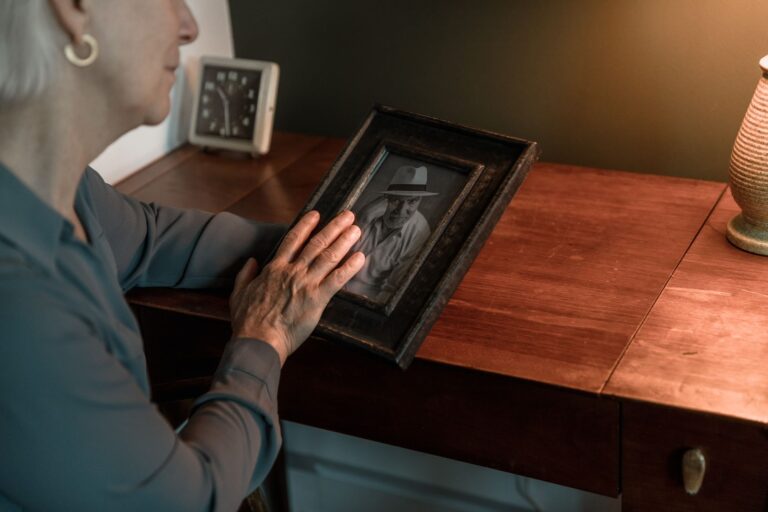
Singing an old church hymn may carry deep emotional weight because it can gather faith, family history, ritual, and relationships into one familiar act. For a person with dementia, it may invite comfort or participation, but it may also bring distress or no visible response. Dementia is cognitive loss severe enough to disrupt daily life; it is not normal aging, and Alzheimer's disease is its most common type, according to the National Institute on Aging. The hymn's value lies in the shared moment, not in whether the person recalls every word or event.
Medical information disclaimer: This article is for general educational purposes only and does not provide medical advice, diagnosis, or treatment. Always consult a physician or other qualified health professional about symptoms, medications, tests, or treatment decisions.
Table of Contents
- Why can an old hymn feel so powerful?
- Make the hymn an invitation, not a test
- What does an emotional reaction mean?
- What does the evidence actually show?
- When should the family pause and seek help?
Why can an old hymn feel so powerful?
A hymn may be tied to worship, weddings, funerals, childhood, or a particular relative. Singing it can bring several layers of personal meaning into the same moment. That meaning remains individual. A lifelong churchgoer may find one hymn comforting and another painful.
Someone without those associations may experience it simply as pleasant music—or may not respond at all. Responses can also take different forms. The person might sing, hum, relax, cry, smile, become restless, or turn away. None of these reactions alone proves that a specific memory has returned.
Make the hymn an invitation, not a test
The National Institute on Aging recommends singing well-known songs and discussing what the music meant when it was popular in its activity guidance for families. This supports using a hymn for connection or reminiscence, rather than testing memory.
A family might try these steps: Avoid pressing for names, dates, or missing lyrics. A gentle question about what the hymn means to the person leaves room for an answer, a gesture, or no response.
- Choose a hymn the person enjoyed, not merely one the family knows.
- Reduce television, conversation, and other competing sounds.
- Begin softly with one verse or a familiar recording.
- Invite participation without demanding it.
- Allow humming, tapping, listening, or silence to count as participation.
What does an emotional reaction mean?
Tears do not necessarily mean sadness, just as singing does not necessarily mean full recognition. Music can accompany joy, grief, spiritual feeling, confusion, or several emotions at once. Look at the whole response. Relaxed posture, comfortable breathing, eye contact, or continued participation may suggest that the moment feels welcome.
Grimacing, pulling away, calling out, or growing tense suggests changing or stopping the music. Family history matters here. A hymn connected with belonging may soothe one person, while a song associated with loss or a difficult religious experience may upset another. Let the person's present reaction carry more weight than the family's expectations.
What does the evidence actually show?
Research on music-based activities supports cautious expectations. A Cochrane review found that five or more sessions probably reduced depressive symptoms, but did not show benefits for agitation or aggression; effects beyond four weeks remained very uncertain, and all included trials took place in care homes (Cochrane). That evidence does not predict how one person will react to one hymn at home.
A meaningful singalong may strengthen a family interaction without improving cognition or changing the course of dementia. Informal singing is also not automatically music therapy. Families can use music supportively, while formal music therapy involves individualized clinical work within a therapeutic relationship.
When should the family pause and seek help?
Stop the music if the person appears frightened, overwhelmed, or increasingly agitated. Lowering the volume, changing the selection, or moving to a quieter activity may be enough.
Do not assume that a new or sudden behavior change comes from dementia. The National Institute on Aging advises checking new agitation for pain or other medical causes in its guidance on behavior changes. Contact the person's health care professional when the behavior is new, severe, persistent, or accompanied by signs of illness or discomfort.