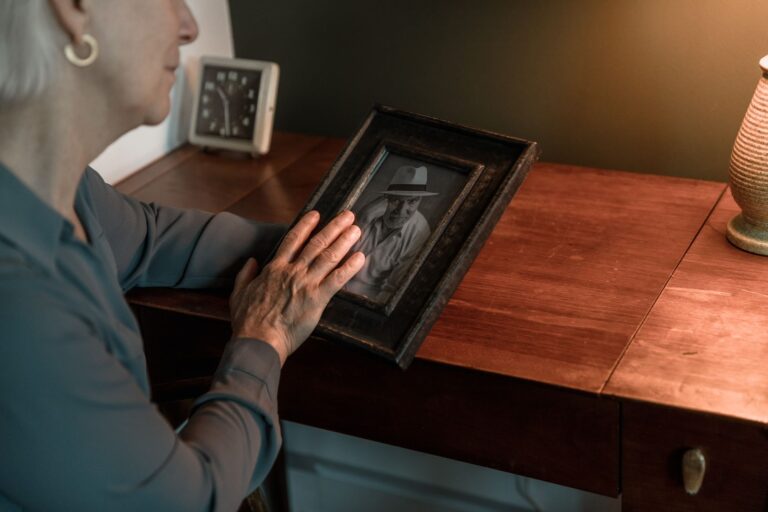
Sharing a wedding song can carry deep emotional weight because familiar music may stir memories, feelings, or connection during a family's dementia journey. Yet no reaction—or lack of one—can prove that a specific memory remains intact or that dementia has improved. Dementia means cognitive decline severe enough to disrupt daily life. It has several causes, with Alzheimer's disease the most common, and it is not a normal part of aging.
Medical information disclaimer: This article is for general educational purposes only and does not provide medical advice, diagnosis, or treatment. Always consult a physician or other qualified health professional about symptoms, medications, tests, or treatment decisions.
Table of Contents
- Why can a wedding song feel so powerful?
- What does the person's response mean?
- What does research say about music and dementia?
- How can families share the song gently?
- Caring for the family around the moment
Why can a wedding song feel so powerful?
Music from a person's past can cue strong emotions and memories, according to the National Institute on Aging. A wedding song may be especially meaningful because the family connects it with a particular relationship and life event. That meaning remains personal rather than clinically measurable. One person may sing, smile, become still, or show no visible response.
Any of those reactions must be read cautiously because responses to familiar music are individual and unpredictable. The song may also affect relatives differently. It can bring comfort and closeness while stirring grief about changes in the person or the relationship. Both feelings can exist during the same listening experience.
What does the person's response mean?
Treat a warm response as a meaningful moment, not a memory test. Singing along or appearing moved does not establish how much of the wedding, the relationship, or the song's history the person recalls.
Likewise, no visible response does not measure the importance of the relationship. Dementia can affect communication and daily function, while the evidence does not let families translate a particular facial expression or behavior into a firm conclusion about memory. The most reliable question is immediate and practical: Does the person seem comfortable with the music now? That approach respects the moment without asking the song to provide diagnostic information.
What does research say about music and dementia?
The strongest evidence concerns structured music-based therapy, not playing one wedding song. A 2025 Cochrane review examined 30 randomized studies involving 1,720 people, generally receiving at least five sessions and often living in nursing homes. Compared with usual care, music-based therapy probably produced a small improvement in depressive symptoms at the end of treatment. The Cochrane evidence review found no demonstrated improvement in cognition, emotional well-being, or agitation and aggression.
The evidence was limited or uncertain, and benefits did not persist four weeks or longer after treatment. These findings should not be stretched into a promise about one song. Sharing a wedding song is neither a disease-modifying treatment nor evidence that dementia has changed. Studies reported adverse effects inconsistently, although no serious adverse events were reported.
How can families share the song gently?
Choose a time when the person can listen without competing conversation or noise. The Alzheimer's Association recommends familiar, enjoyable music, allowing the person to choose when possible, avoiding advertisements, and keeping the volume moderate to limit confusion or sensory overload.
Keep the experience flexible: A short, calm encounter may be more suitable than repeated playback. The person's present comfort should guide whether the song continues.
- Ask whether the person would like to hear the song when they can express a preference.
- Use a clean recording without ads or abrupt interruptions.
- Reduce television, conversation, and other background sounds.
- Watch for comfort, confusion, or sensory overload.
- Pause the music if the person appears uncomfortable.
Caring for the family around the moment
The song belongs to the family's story as well as the person's care. Relatives may place enormous hope in a smile, a lyric, or a moment of eye contact. Recognizing its personal value while avoiding clinical conclusions can reduce pressure on everyone involved. Caregiving already carries substantial emotional strain.
More than 11 million U.S. adults provide unpaid dementia care, and the CDC reports greater risks of anxiety, depression, and poorer quality of life among these caregivers than among other caregivers. If sharing the song becomes painful, another relative can manage the recording, or the family can stop. A meaningful ritual does not have to be repeated when it overwhelms the person with dementia or those caring for them.