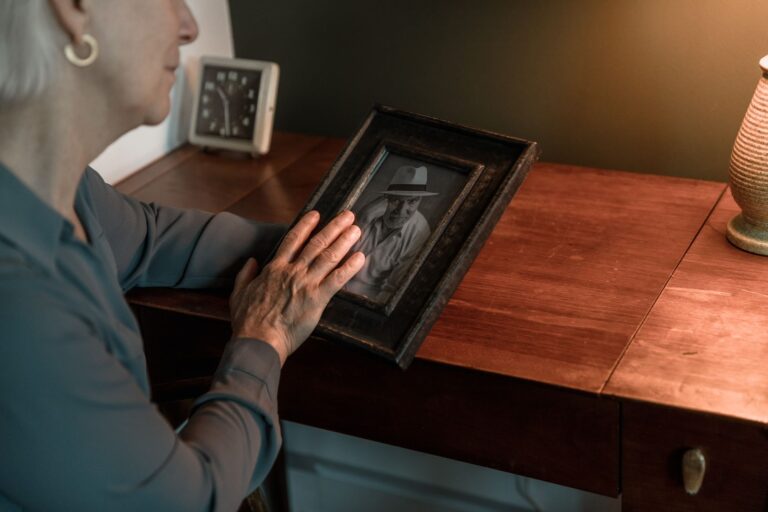
Hearing a favorite record can create a shared, familiar moment for a person with dementia and someone who cares about them. Treat it as an invitation to connect—not a memory test, guaranteed treatment, or demand for a response. Dementia is an umbrella term for changes in memory, thinking, or decision-making that disrupt daily life. Because preferences and abilities differ, the person's reaction matters more than the song's popularity or supposed therapeutic value.
Medical information disclaimer: This article is for general educational purposes only and does not provide medical advice, diagnosis, or treatment. Always consult a physician or other qualified health professional about symptoms, medications, tests, or treatment decisions.
Table of Contents
- What does connection look like?
- Set up a low-pressure listening space
- Follow the person's response
- What does the evidence show?
- Protect hearing and comfort
What does connection look like?
Connection does not require the person to name the performer, remember an event, or explain what the music means. It may look like shared attention, singing, smiling, movement, eye contact, or simply sitting together. Choose music that belongs to the person's life, not merely music associated with their generation.
When possible, offer two familiar choices and let them decide. A rejected song is useful information, not a failed activity. A favorite-record listening session is not automatically music therapy. The American Music Therapy Association defines music therapy as goal-directed clinical work delivered within a therapeutic relationship by a credentialed professional.
Set up a low-pressure listening space
The Alzheimer's Association recommends familiar, enjoyable music, limited competing noise, no commercial interruptions, and a comfortable volume. It also notes that music may support engagement when spoken communication is difficult in its guidance for caregivers.
Before pressing play: Avoid announcing that the song should make the person remember something. A simple "Would you like to hear this?" leaves room for enjoyment, indifference, or refusal.
- Choose a quiet, familiar place.
- Silence television, alerts, and other competing sounds.
- Start with one known song rather than a long playlist.
- Use speakers or headphones the person already accepts.
- Make the stop and volume controls easy to reach.
Follow the person's response
Ask permission, then stay nearby without demanding conversation. Notice changes in expression, breathing, movement, speech, and attention. No single gesture proves enjoyment, so consider the person's overall response.
Continue gently if the person appears comfortable or engaged. Pause or stop if they become tense, turn away, remove headphones, cover their ears, or ask for silence. After the song, allow quiet. If conversation feels welcome, try a low-pressure observation such as, "You seemed to enjoy that part." Avoid quizzing the person about names, dates, lyrics, or past events.
What does the evidence show?
Evidence does not support music as a reliable way to control every dementia-related symptom. A 2017 Cochrane review of 17 mostly care-home trials found that music-based therapeutic interventions probably reduced depressive symptoms slightly, but did not reduce agitation or aggression. Evidence for quality of life, anxiety, cognition, social behavior, and lasting effects was uncertain or weak according to the review.
The 2023 HOMESIDE trial studied 432 eligible dementia–caregiver pairs in five countries. Trained, caregiver-delivered music produced no statistically or clinically important 90-day reduction in behavioral and psychological symptoms compared with usual care, although researchers reported no intervention-related adverse events in the original trial report. These findings concern structured interventions and specific participant groups, not every person with dementia or every informal listening moment. Offer a favorite record for present-moment companionship if the person welcomes it, while keeping clinical expectations modest.
Protect hearing and comfort
Do not assume louder music will produce a stronger response. Hearing needs vary, and a person may find headphones, bass, or unfamiliar equipment uncomfortable even when the song is familiar. The National Institute on Deafness and Other Communication Disorders warns that loud, prolonged sound can permanently damage hearing.
Maximum headphone output can reach 94–110 dBA, so begin at a low volume and increase it only when the person clearly wants that according to NIDCD. Keep listening periods manageable and check comfort throughout. If the person winces, covers their ears, removes headphones, becomes tense, or asks to stop, turn the music off.