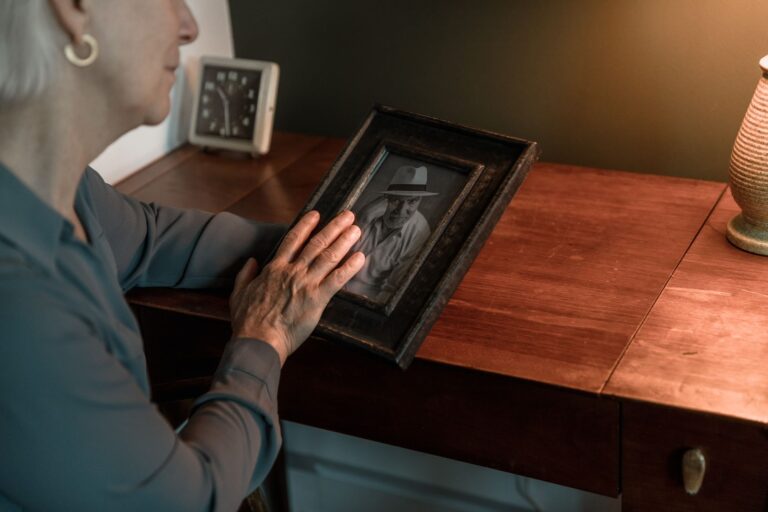
Singing an old church hymn can create a moment of connection when the song is familiar, enjoyable, and welcome to the person with dementia. It may support engagement when conversation is difficult, but it is supportive care—not a cure or disease-modifying treatment. Dementia is an umbrella term for progressive brain conditions that impair memory, thinking, behavior, and daily life; Alzheimer's is the most common type, according to the National Institute on Aging. A shared song can offer another way to be together when spoken words become harder to find.
Medical information disclaimer: This article is for general educational purposes only and does not provide medical advice, diagnosis, or treatment. Always consult a physician or other qualified health professional about symptoms, medications, tests, or treatment decisions.
Table of Contents
- What can familiar singing offer?
- Is a church hymn the right choice?
- How to invite connection without pressure
- What does the broader evidence show?
What can familiar singing offer?
The goal is not a perfect performance or a memory test. It is an invitation to listen, hum, sing, tap a hand, make eye contact, or simply sit together. The Alzheimer's Association says familiar, enjoyable music can encourage engagement even when verbal communication is difficult.
Its music-selection guidance recommends limiting competing noise and avoiding excessive volume. A small randomized crossover trial compared small-group singing with structured verbal discussion among 32 long-term-care residents with diagnosed dementia. Six 25-minute singing sessions improved observed emotions and constructive social engagement, particularly among participants with moderate dementia, according to the published study.
Is a church hymn the right choice?
A hymn is appropriate only if it has personal meaning for that individual. Research examines music and singing broadly; it does not establish that church hymns have special clinical effects.
Consider the person's history, beliefs, and preferences. A hymn associated with comfort or community may be welcome, while religious music may feel unfamiliar, upsetting, or intrusive to someone else. When preferences are uncertain:.
- Ask the person whether they would like to hear or sing the song.
- Check with relatives or longtime friends about music the person enjoyed.
- Offer a choice between two familiar songs.
- Treat silence, humming, listening, and refusal as valid responses.
- Never assume that age, background, or residence determines religious preference.
How to invite connection without pressure
Choose a quiet time and reduce television, conversation, or other competing sounds. Sit where the person can see you, begin softly, and pause after the opening line to notice their response. Keep the invitation simple: "Would you like to sing this with me?" Avoid questions that test recall, such as asking for the next lyric or demanding the hymn's title. If words do not come, continue gently or hum the melody.
Follow the person rather than the song. They may sing one phrase, change the tempo, repeat a line, or prefer to listen. Connection can mean matching their pace and accepting the form participation takes. Stop or change course if the person appears distressed or rejects the activity. Lower the volume, restore quiet, or offer a different familiar song instead of pushing through the hymn.
What does the broader evidence show?
The strongest evidence supports modest, short-term benefits rather than dramatic change. A 2025 Cochrane review covering 30 randomized studies and 1,720 participants found that music-based therapeutic interventions probably produced a slight improvement in depression at treatment end. The review found moderate-certainty evidence of no improvement in agitation or aggression. It also found no convincing benefit lasting beyond four weeks.
Serious adverse events were not reported, although studies documented possible harms inconsistently. These studies generally involved at least five active or listening-based sessions, often tailored to individual preferences and goals. Their findings cannot show that one spontaneous hymn will produce a clinical benefit. For everyday care, use the person's immediate response as the guide: continue when the music appears welcome, and stop when it does not.