Sharing stories across three generations can carry affection, grief, pressure, and continuity as dementia changes memory, communication, and family roles. Its emotional weight comes from trying to preserve connection while accepting that recall and relationships may change. Dementia is cognitive loss severe enough to interfere with daily life; it is not normal aging. Alzheimer's disease is its most common type.
Medical information disclaimer: This article is for general educational purposes only and does not provide medical advice, diagnosis, or treatment. Always consult a physician or other qualified health professional about symptoms, medications, tests, or treatment decisions.
Table of Contents
- Why three generations feel the impact differently
- What storytelling may offer
- Why storytelling is not a treatment guarantee
- What grandchildren and caregivers may feel
- How to make story-sharing gentler
Why three generations feel the impact differently
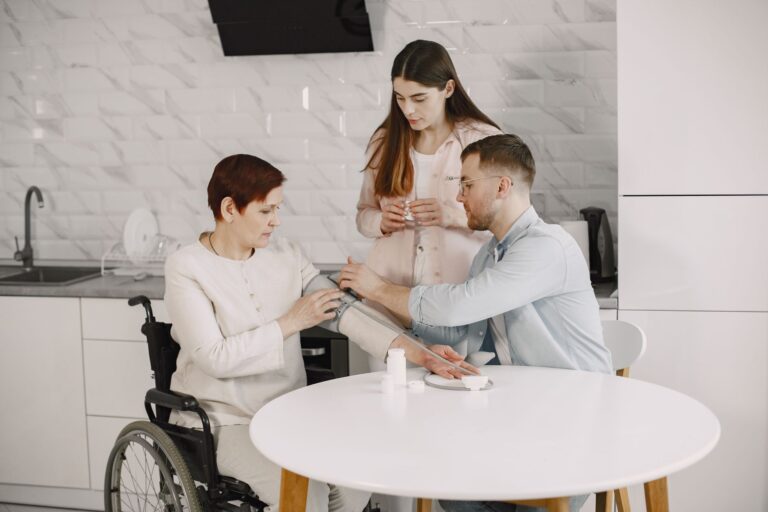
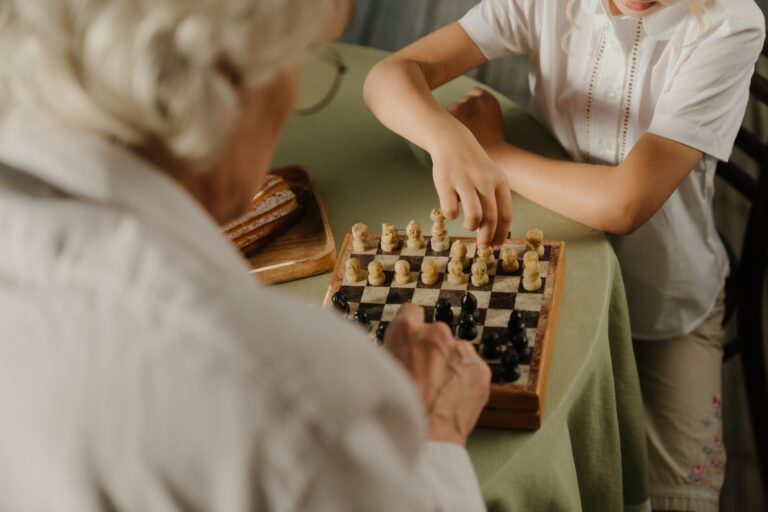
Three-generation storytelling usually brings together a person with dementia, an adult child or caregiver, and a grandchild. Each person enters the conversation with different memories, responsibilities, and expectations. The adult in the middle may be caring for both an aging parent and a child.
The CDC reports that more than 11 million U.S. adults provide unpaid dementia care, and about one-quarter also support a parent and a child. A familiar story may therefore mean several things at once. The person with dementia may be revisiting an important moment, the caregiver may notice what has been lost, and the grandchild may be learning family history.
What storytelling may offer
Story-sharing resembles reminiscence therapy, which uses photos, music, memorabilia, and other prompts to encourage conversation about past experiences. The goal is engagement, not a memory test. For example, a family might play a familiar song and ask, "What does this remind you of?" A person who cannot name the year or place may still smile, sing, gesture, or respond to the mood.
The evidence supports realistic expectations. A Cochrane review of 22 trials found small, inconsistent effects that varied by format and setting. Individual sessions may help cognition or mood, while group and community sessions may support communication.
Why storytelling is not a treatment guarantee
Intergenerational activities can create enjoyable moments, but research has not shown that they treat dementia or reliably improve family wellbeing. A 2022 meta-analysis involving institutional residents found more observed pleasure and less disengagement, but no significant pooled benefit for depression or quality of life. Structured programs can also add pressure.
In the 488-participant REMCARE randomized trial, joint reminiscence groups produced no primary or secondary benefit at 10 months. Caregivers reported increased anxiety on one measure. These limits matter when families decide whether an activity is helping. A pleasant conversation can be worthwhile without producing a clinical improvement, while a polished family-history project may be counterproductive if it creates stress.
What grandchildren and caregivers may feel
Grandchildren may experience loss, guilt, frustration, or stress as roles and relationships change. A systematic review of 12 studies also found growth and positive caregiving experiences, although the evidence remains limited. Caregivers may feel warmth when an old story returns, followed by sadness when details disappear.
They may also feel responsible for helping both the older adult and the child understand the interaction. No response should be treated as universal. A younger child may accept repetition easily, while an older grandchild may find it painful. Some people with dementia enjoy familiar stories; others may become tired, confused, or uninterested.
How to make story-sharing gentler
Keep the activity short, familiar, and led by the person with dementia. Use one prompt at a time, allow extra response time, and accept fragments, gestures, or silence.
The National Institute on Aging's family communication guidance recommends patience, extra response time, and attention to nonverbal cues. If recalling a story becomes difficult, change the subject or simply enjoy the photo, song, or object together.
- Invite rather than quiz: "Tell me about this picture" is gentler than "Who is that?"
- Avoid correcting dates or minor details unless accuracy is essential.
- Let grandchildren listen, draw, sing, or handle a familiar object instead of requiring questions.
- Pause when the person turns away, becomes tense, repeatedly refuses, or appears overwhelmed.
- End while the interaction still feels comfortable.