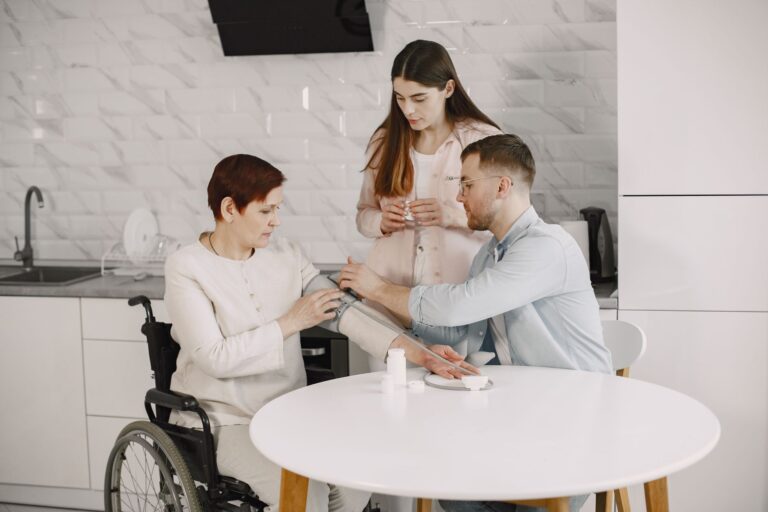
Family music playlists can mean everything because they offer a simple way to share comfort, enjoyment, and connection when dementia makes other interactions difficult. "Everything" describes their possible emotional value to a family, not a guaranteed medical effect. Dementia is cognitive loss severe enough to disrupt daily life; Alzheimer's disease is its most common form, but dementia is not normal aging. A playlist cannot reverse that loss, yet familiar songs may create moments in which relatives can participate together.
Medical information disclaimer: This article is for general educational purposes only and does not provide medical advice, diagnosis, or treatment. Always consult a physician or other qualified health professional about symptoms, medications, tests, or treatment decisions.
Table of Contents
- What can familiar music offer?
- What does the evidence support?
- Is a family playlist music therapy?
- How should families build the playlist?
- Keep listening comfortable and voluntary
What can familiar music offer?
The Alzheimer's Association notes that people may tap or sing along to childhood songs even in late-stage Alzheimer's. It recommends familiar, enjoyable music without competing noise and at a safe volume in its guide to art and music in dementia care. That response gives families something concrete to share.
A relative can sing, keep the beat, or simply sit nearby without demanding names, dates, or conversation. The person's response matters more than the family's hopes for a particular song. Music that comforts one listener may bore or upset another, including a song tied to difficult memories.
What does the evidence support?
Research supports cautious expectations. Music-based programs may help some outcomes, but studies do not show that every person, symptom, or family playlist will benefit. A 2025 Cochrane review found that programs lasting at least five sessions probably improve depressive symptoms compared with usual care.
However, they likely do not improve agitation or aggression, and the review found no evidence of effects lasting four weeks or longer after treatment ended. The Cochrane findings also noted inconsistent safety reporting, although no serious adverse events were reported. These findings do not make a home playlist pointless. They mean families should judge it by immediate, personal goals—such as enjoyment or shared participation—rather than expecting broad or lasting clinical changes.
Is a family playlist music therapy?
A family playlist is music listening. The American Music Therapy Association defines music therapy as individualized, clinical use of music within a therapeutic relationship led by a credentialed professional, as explained in its definition of music therapy. That distinction protects families from exaggerated expectations.
Selecting favorite songs can be meaningful without being called treatment. If the goal is to address a symptom or formal care objective, ask the person's care team whether a credentialed music therapist is appropriate. Family members can still share observations about songs, reactions, and listening preferences.
How should families build the playlist?
Start with the person, not a generic collection labeled for dementia. Ask relatives about music the person chose, sang, played, danced to, or requested before cognitive loss disrupted daily life.
Use a simple testing process: Revisit the choices as responses change. A song's popularity, age, or meaning to other relatives does not establish that it suits this listener.
- Gather a small group of likely favorites from different periods or settings.
- Play one selection at a time so its effect is easier to observe.
- Note signs of interest, such as singing, tapping, smiling, or moving closer.
- Remove songs linked with frowning, turning away, tension, or attempts to leave.
- Keep separate short sets for quiet listening, singing together, or family activities.
Keep listening comfortable and voluntary
Reduce competing sound, choose a manageable volume, and stay nearby during early trials. For someone who uses hearing aids, seek audiology advice if volume or sound quality is difficult to judge. Stop or change the music when the person appears uncomfortable.
Do not insist that a once-loved song must still be welcome, and never use continued listening as a test of memory or affection. A playlist is not a cure or an approved Alzheimer's treatment. The FDA warns consumers about unproven Alzheimer's disease treatment claims, so promises that music can halt, reverse, or treat the disease should raise concern.