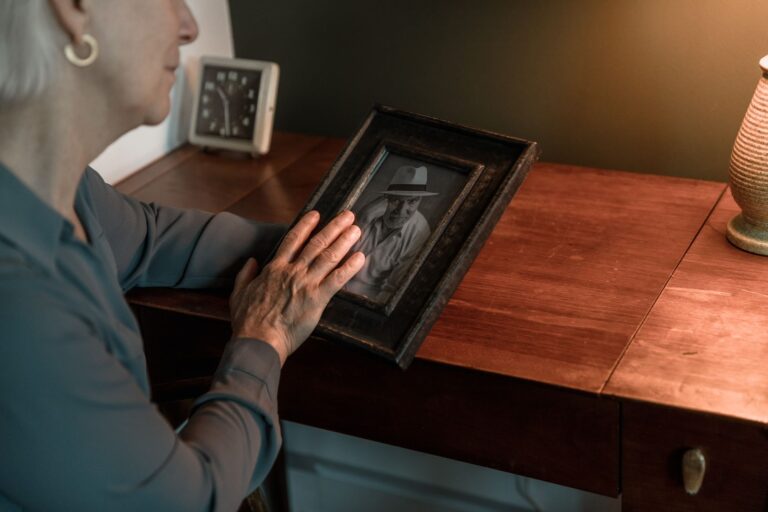
Reading a saved love letter together can create a quiet opportunity for connection in dementia care. Treat the letter as a personal reminiscence prompt, not a test, therapy, or way to restore memory. Dementia is a decline in memory, thinking, or behavior severe enough to disrupt daily life; it is not normal aging, according to the National Institute on Aging. The value of reading together may lie in sharing attention and emotion, even when the person cannot follow every sentence.
Medical information disclaimer: This article is for general educational purposes only and does not provide medical advice, diagnosis, or treatment. Always consult a physician or other qualified health professional about symptoms, medications, tests, or treatment decisions.
Table of Contents
- Decide whether this letter is suitable
- Create a calm setting
- Read without turning it into a quiz
- Watch for comfort and distress
- Keep expectations grounded
Decide whether this letter is suitable
Consider the letter's content before bringing it out. A warm anniversary note may feel reassuring, while a letter involving separation, conflict, grief, or an unfamiliar name could cause confusion or distress. Ask permission in simple language: "Would you like to look at this letter with me?" Accept a refusal without pressing.
You can offer the letter again another day, but repeated prompting may turn a personal moment into a demand. A saved letter is related to reminiscence, which uses familiar objects, photographs, music, or stories to discuss past experiences. However, the Alzheimer's Association distinguishes reminiscence activities from structured reminiscence therapy, so an informal reading session should not be presented as treatment.
Create a calm setting
Choose a time when the person seems comfortable and alert. Reduce background noise, silence unnecessary devices, and sit where both of you can see the page without struggling. Make the letter physically easy to use.
A clear photocopy or large-print transcription may be more manageable than fragile paper or cramped handwriting. Keep the original safe if it has sentimental value. Before reading, offer a simple introduction: "This is a letter from Sam. We can read a little together." If the letter is long, select one affectionate or familiar passage rather than trying to finish every page.
Read without turning it into a quiz
Alzheimer's can affect attention, comprehension, word-finding, and the ability to follow a conversation, according to the National Institute on Aging's caregiver communication guide. Read slowly, pause often, and give the person time to respond. Use a warm tone and natural eye contact.
Let silence be part of the activity. A smile, touch, repeated word, or change in expression can be a meaningful response without requiring a detailed conversation. Keep prompts simple and supportive: Avoid questions such as "Do you remember who wrote this?" or "What year was that?" These can make the exchange feel like a memory exam. If the person offers a different account of events, focus on the feeling unless correcting the detail is necessary for immediate safety.
- "Would you like me to keep reading?"
- "Does this sound happy or sad?"
- "Would you like to hold the letter?"
- "Should we read this part again?"
Watch for comfort and distress
Continue only while the person appears interested or at ease. Signs that the activity may be too demanding include withdrawing, becoming tense, repeatedly asking to stop, or showing growing frustration. A love letter can bring up loss, jealousy, regret, or grief as well as affection.
Dementia-care recommendations advise steering reminiscence toward positive experiences because negative recollections can cause distress, as described in the Alzheimer's Association dementia care practice recommendations. If distress appears, stop reading and acknowledge the emotion: "This feels upsetting." Do not argue about whether the remembered event happened. Put the letter away and shift to a familiar, low-pressure activity.
Keep expectations grounded
Research on structured reminiscence programs does not prove that reading a love letter improves dementia or quality of life. A 2018 Cochrane review of 22 randomized trials found that communication may improve after reminiscence interventions, but results varied by intervention type. The review found no important overall immediate improvement in quality of life compared with no treatment.
An individual reading may still feel worthwhile, but its success should not depend on accurate recall or a lasting change. A comfortable few minutes, shared attention, or the person choosing to stop are all valid outcomes. If the letter consistently causes distress, retire it rather than repeatedly testing whether the reaction changes. Choose a gentler prompt, such as a familiar photograph, song, story, or object.