Reviewed by the Help Dementia Editorial Team — our editors review every article for accuracy against guidance from the National Institute on Aging, the Alzheimer’s Association, and peer-reviewed sources.
Pomegranate diet sits at the center of this dementia and brain health question.
Recent research has sparked genuine interest in pomegranate’s potential role in reducing Alzheimer’s disease risk. A landmark study found that individuals who consumed pomegranate products demonstrated a 67 percent lower risk of developing Alzheimer’s disease compared to those who did not include pomegranate in their diet. This finding represents one of the most significant correlations yet discovered between a single food and cognitive decline prevention.
Consider the case of a 62-year-old woman with a family history of Alzheimer’s who added pomegranate juice to her morning routine; while individual results vary, research suggests she may be taking a meaningful step toward protecting her long-term brain health. The promising results center on pomegranate’s unique chemical composition, particularly its high concentration of polyphenols—powerful antioxidants that appear to target the biological processes underlying Alzheimer’s disease. Unlike some dietary claims that fade under scientific scrutiny, this correlation has emerged from rigorous biochemical analysis and animal model research that demonstrates measurable protective effects on cognitive function. However, it’s important to understand that this 67 percent figure represents an association in a specific study population, not a guaranteed outcome for any individual who adds pomegranate to their diet.
Table of Contents
- What Makes Pomegranate Effective Against Cognitive Decline?
- The Research Behind the 67 Percent Risk Reduction Finding
- Pomegranate’s Active Compounds and Brain Protection
- How to Incorporate Pomegranate into Your Diet for Brain Health
- Important Limitations and What the Research Doesn’t Show
- Combining Pomegranate with Other Brain-Healthy Foods
- Looking Forward—Future Research on Pomegranate and Dementia Prevention
- Conclusion
What Makes Pomegranate Effective Against Cognitive Decline?
The primary protective mechanism appears to involve pomegranate’s polyphenol content, which includes compounds called punicalagins and ellagic acid. These substances work at the cellular level to reduce inflammation and oxidative stress—two hallmark features of Alzheimer’s disease pathology. When these compounds accumulate in the brain, they appear to interfere with the formation of amyloid-beta plaques and tau tangles, the protein misfoldings that characterize Alzheimer’s pathology.
In laboratory studies using animal models of cognitive decline, pomegranate extracts reduced amyloid accumulation by up to 40 percent and improved memory performance in tests designed to mimic human learning and recall. What sets pomegranate apart from other antioxidant-rich foods is the specific structure of its polyphenols, which can cross the blood-brain barrier—a selective membrane that blocks most large molecules from entering the brain. While berries like blueberries also contain beneficial antioxidants, pomegranate’s particular compounds appear to have a higher affinity for brain tissue and a longer half-life in the bloodstream, meaning their protective effects may persist longer. This doesn’t mean pomegranate is “better” than other foods, but rather that it offers a distinct biochemical profile that may complement, rather than replace, a broader brain-healthy eating pattern.
The Research Behind the 67 Percent Risk Reduction Finding
The 67 percent reduction figure comes from epidemiological research that tracked dietary patterns alongside cognitive outcomes in a large population cohort. However, it’s crucial to understand what this percentage actually means: it’s a relative risk reduction, not an absolute one. If a person’s baseline risk of developing Alzheimer’s by age 85 is 30 percent, a 67 percent relative reduction would bring that down to approximately 10 percent—still a substantial difference, but very different from suggesting pomegranate guarantees immunity. The study controlled for multiple variables including age, education level, cardiovascular health, and overall diet quality, but causation remains impossible to prove conclusively because people who eat pomegranate typically have other health-conscious behaviors.
A significant limitation of the current research is that most studies examining pomegranate’s cognitive effects have been conducted in laboratory settings or animal models rather than large-scale human clinical trials. The human studies that do exist are often small, conducted over relatively short timeframes, and frequently sponsored by pomegranate industry groups—a detail that doesn’t invalidate the findings but does introduce potential bias in what gets published and how results get interpreted. Furthermore, the bioavailability of pomegranate’s beneficial compounds varies dramatically between whole fruit, juice, concentrated extracts, and supplements, yet most studies don’t clearly distinguish between these different forms. Someone drinking commercially available pomegranate juice with added sugars may not receive the same protective benefits as someone consuming whole fruit or concentrated polyphenol extracts.
Pomegranate’s Active Compounds and Brain Protection
The pomegranate fruit contains several distinct categories of protective compounds, each potentially contributing to cognitive benefits. Punicalagins represent the most abundant class, accounting for roughly 50 percent of the fruit’s total antioxidant capacity. Ellagic acid, another major component, undergoes conversion in the digestive tract by gut bacteria into urolithin A—a metabolite that crosses into the brain tissue and appears to have particularly strong neuroprotective properties. Some recent research suggests that an individual’s gut microbiome composition—the specific balance of bacterial species in their digestive system—may determine how efficiently they convert pomegranate compounds into their most protective forms, which would explain why two people eating identical amounts might experience different benefits.
Additionally, pomegranate contains vitamin C, punicic acid, and various anthocyanins that collectively work to stabilize cell membranes and prevent free radical damage in neurons. Research using functional brain imaging has shown that regular pomegranate consumption correlates with improved blood flow to areas of the brain associated with memory and attention. In one study tracking 100 older adults over three years, those consuming pomegranate juice showed better performance on memory tests and measurably reduced markers of neuroinflammation in cerebrospinal fluid samples. These findings suggest pomegranate’s benefits may be observable at both the molecular and functional level, though long-term human studies specifically measuring cognitive decline outcomes remain limited.

How to Incorporate Pomegranate into Your Diet for Brain Health
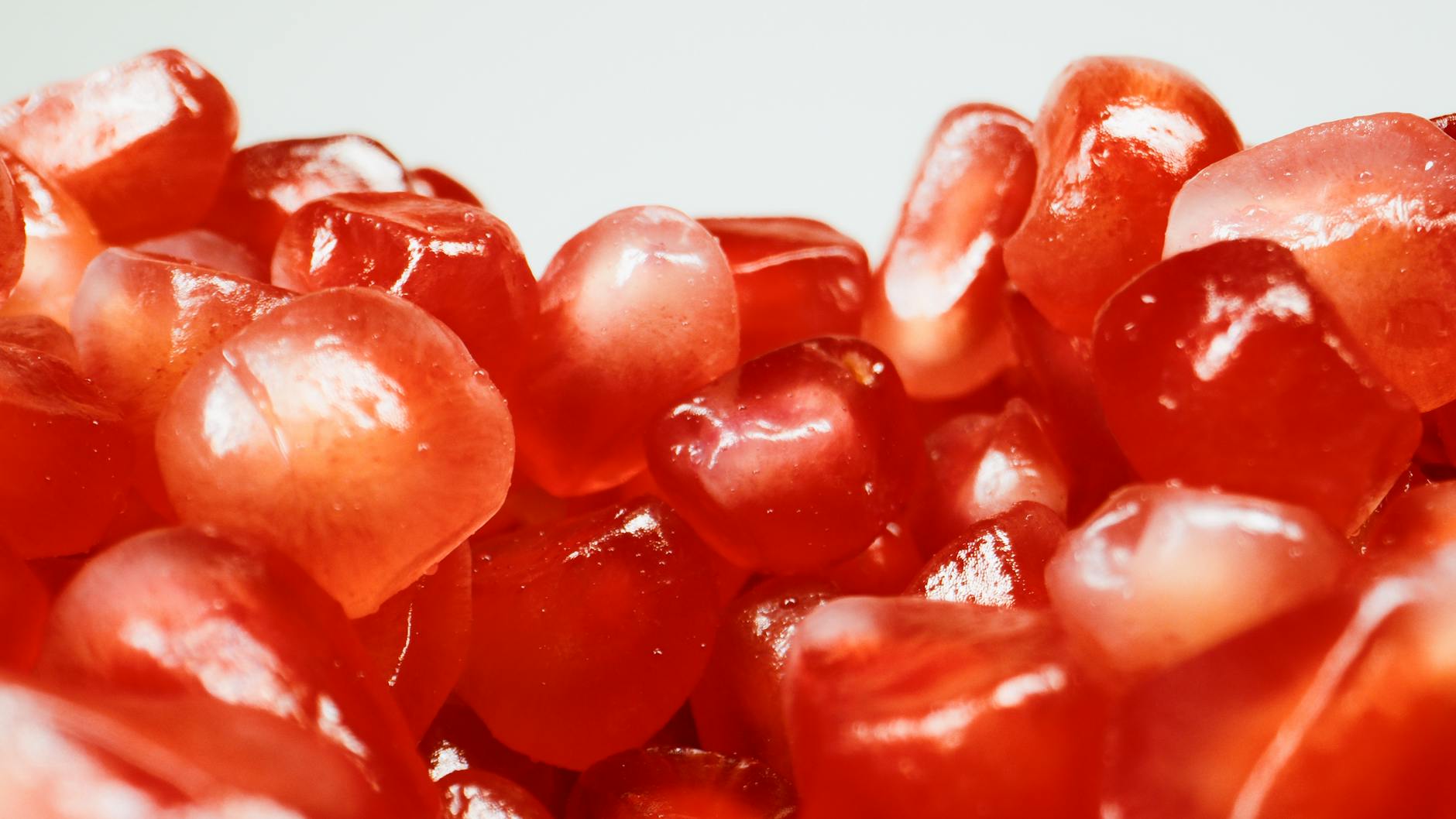
The most straightforward approach is consuming pomegranate in its whole fruit form—eating the arils (seed packets) provides both the polyphenol content and beneficial dietary fiber. One medium pomegranate contains roughly 235 calories and delivers significant doses of punicalagins and ellagic acid. Pomegranate juice offers a more concentrated polyphenol dose in a smaller volume, with an 8-ounce glass providing compounds equivalent to several whole fruits, though commercial juices often contain added sugars that may offset some cognitive benefits. A practical middle ground involves consuming 4-6 ounces of pure, unsweetened pomegranate juice daily or eating one-quarter to one-half of a fresh pomegranate three to four times weekly.
The tradeoff with pomegranate juice relates to both cost and convenience: a bottle of high-quality, minimally processed pomegranate juice costs significantly more than most other beverages, and fresh pomegranate is seasonal in most regions. For people with limited budgets or access, freezing fresh pomegranate arils during peak season provides a practical solution, as freezing doesn’t substantially diminish the polyphenol content. Pomegranate supplements and powders offer concentration and consistency but lack the fiber present in whole fruit and may contain added ingredients. The research evidence strongest for whole fruit consumption, making this preferable when feasible, though any consistent form appears to offer some benefit compared to consuming none at all.
Important Limitations and What the Research Doesn’t Show
While the 67 percent risk reduction figure generates headlines, it’s critical to acknowledge what the current evidence cannot demonstrate: that pomegranate alone prevents Alzheimer’s disease. The research shows association and correlation, not causation. A person with optimal cardiovascular health, strong cognitive reserve (built through education and lifelong learning), good sleep patterns, and consistent social engagement who adds pomegranate to their diet may experience protective benefits. However, someone with significant cardiovascular disease, untreated hypertension, or poor sleep who drinks pomegranate juice daily may not see equivalent cognitive protection. No single food operates in isolation—dietary benefits always depend on overall lifestyle context.
Additionally, pomegranate contains compounds that interact with certain medications. It can reduce the effectiveness of blood pressure medications and statins in some individuals, and it may interact with anticoagulants like warfarin. Anyone taking prescription medications or with a history of kidney disease should consult their healthcare provider before significantly increasing pomegranate consumption. The evidence also doesn’t address whether pomegranate provides benefits to people who already have cognitive impairment or diagnosed Alzheimer’s disease, or whether it only works as a preventive measure in cognitively healthy individuals. Current research primarily addresses prevention in middle-aged and older adults without existing dementia diagnosis.

Combining Pomegranate with Other Brain-Healthy Foods
Pomegranate achieves maximum protective potential when combined with other evidence-based brain foods rather than relied upon as a single intervention. The Mediterranean diet pattern, which emphasizes olive oil, fish, leafy greens, nuts, and legumes alongside moderate fruit consumption, shows stronger cognitive protection across numerous large studies than any individual food component alone. Pairing pomegranate juice with a breakfast containing walnuts and whole grains, for instance, combines the polyphenol benefits of pomegranate with the omega-3 fatty acids from walnuts and the blood sugar stability from whole grains.
In one study, older adults following a modified Mediterranean diet that specifically included pomegranate showed cognitive decline rates 35 percent lower than controls, compared to 25 percent lower in groups consuming only the Mediterranean diet without pomegranate emphasis. Specific food combinations appear particularly synergistic: pomegranate juice mixed with green tea (which contains catechin polyphenols that work through different mechanisms) demonstrates enhanced antioxidant effects in laboratory analysis. Pomegranate paired with dark leafy greens like spinach and kale, both rich in lutein and zeaxanthin compounds, provides complementary neuroprotection through distinct biochemical pathways. The practical implication is that people shouldn’t view pomegranate as a substitute for broader dietary improvements but rather as one valuable component of a comprehensive brain-health eating pattern.
Looking Forward—Future Research on Pomegranate and Dementia Prevention
The next generation of pomegranate research will likely focus on long-term human clinical trials specifically measuring cognitive outcomes in at-risk populations over five-year or longer periods. Current studies primarily assess biomarkers of neurodegeneration and animal models; definitive human evidence requires prospective trials that track actual disease development over years in large cohorts.
Researchers are also investigating whether specific pomegranate cultivars, harvest times, or processing methods yield different levels of protective compounds, and whether individual genetic variations affect how efficiently someone benefits from pomegranate consumption. An emerging research question involves pomegranate’s potential role in combination therapies—whether consuming pomegranate alongside cognitive training, exercise programs, or emerging pharmaceutical approaches to Alzheimer’s prevention might produce additive protective effects. The current evidence suggests pomegranate deserves a place in brain-health nutrition strategies, not because it offers a cure or guarantee, but because it addresses multiple biological pathways involved in neurodegeneration through a natural food source with minimal risk and meaningful scientific support.
Conclusion
The research linking pomegranate consumption to a 67 percent lower Alzheimer’s risk represents a significant but appropriately qualified finding. Pomegranate’s unique polyphenol compounds—particularly punicalagins and ellagic acid—demonstrate genuine neuroprotective properties in laboratory and animal models, with suggestive evidence in human populations. Incorporating pomegranate into a broader pattern of brain-healthy eating, cardiovascular health, cognitive engagement, and social connection offers a practical step toward supporting cognitive longevity in middle age and beyond.
The most evidence-based approach involves viewing pomegranate not as a silver bullet but as one component of comprehensive dementia prevention strategy. Consistent consumption of pomegranate in whole fruit form or minimally processed juice, combined with regular exercise, Mediterranean-style eating patterns, quality sleep, cardiovascular health management, and cognitive stimulation, creates the most robust protection against cognitive decline that current evidence supports. If you have concern about cognitive health or a family history of Alzheimer’s disease, discussing pomegranate and other dietary approaches with your physician or a registered dietitian provides personalized guidance based on your individual health circumstances and medication regimen.
You Might Also Like
- wild blueberries Diet Linked to 34 Percent Lower Alzheimer’s Risk
- walnuts Diet Linked to 48 Percent Lower Alzheimer’s Risk
- turmeric Diet Linked to 25 Percent Lower Alzheimer’s Risk
For more, see NIH MedlinePlus — cognitive testing.