
Reviewed by the Help Dementia Editorial Team — our editors review every article for accuracy against guidance from the National Institute on Aging, the Alzheimer’s Association, and peer-reviewed sources.
Raspberries diet sits at the center of this dementia and brain health question.
Recent research indicates that consuming raspberries regularly may reduce the risk of developing Alzheimer’s disease by as much as 23 percent. This finding comes from studies examining the relationship between specific berry consumption patterns and cognitive decline in aging populations. For someone like Margaret, a 68-year-old who began adding a daily serving of raspberries to her breakfast after her mother was diagnosed with Alzheimer’s, this research represents a tangible dietary intervention she could pursue to potentially protect her own brain health.
The 23 percent reduction in risk is particularly significant when considering how modest the intervention is—simply incorporating raspberries into existing meals. Unlike pharmaceutical interventions that may carry side effects or require significant lifestyle disruption, adding berries to your diet is both accessible and enjoyable. The research suggests that the compounds in raspberries, particularly anthocyanins and other polyphenols, work at a cellular level to protect neurons from the damage that characterizes Alzheimer’s disease.
Table of Contents
- What Makes Raspberries Effective at Reducing Alzheimer’s Risk?
- The Science Behind Raspberry Antioxidants and Brain Health
- Specific Compounds That Protect Brain Function
- Practical Ways to Add Raspberries to Your Diet
- Limitations and Important Caveats About This Research
- Other Foods That May Offer Similar Brain Protection
- The Future of Diet-Based Dementia Prevention
- Conclusion
- Frequently Asked Questions
What Makes Raspberries Effective at Reducing Alzheimer’s Risk?
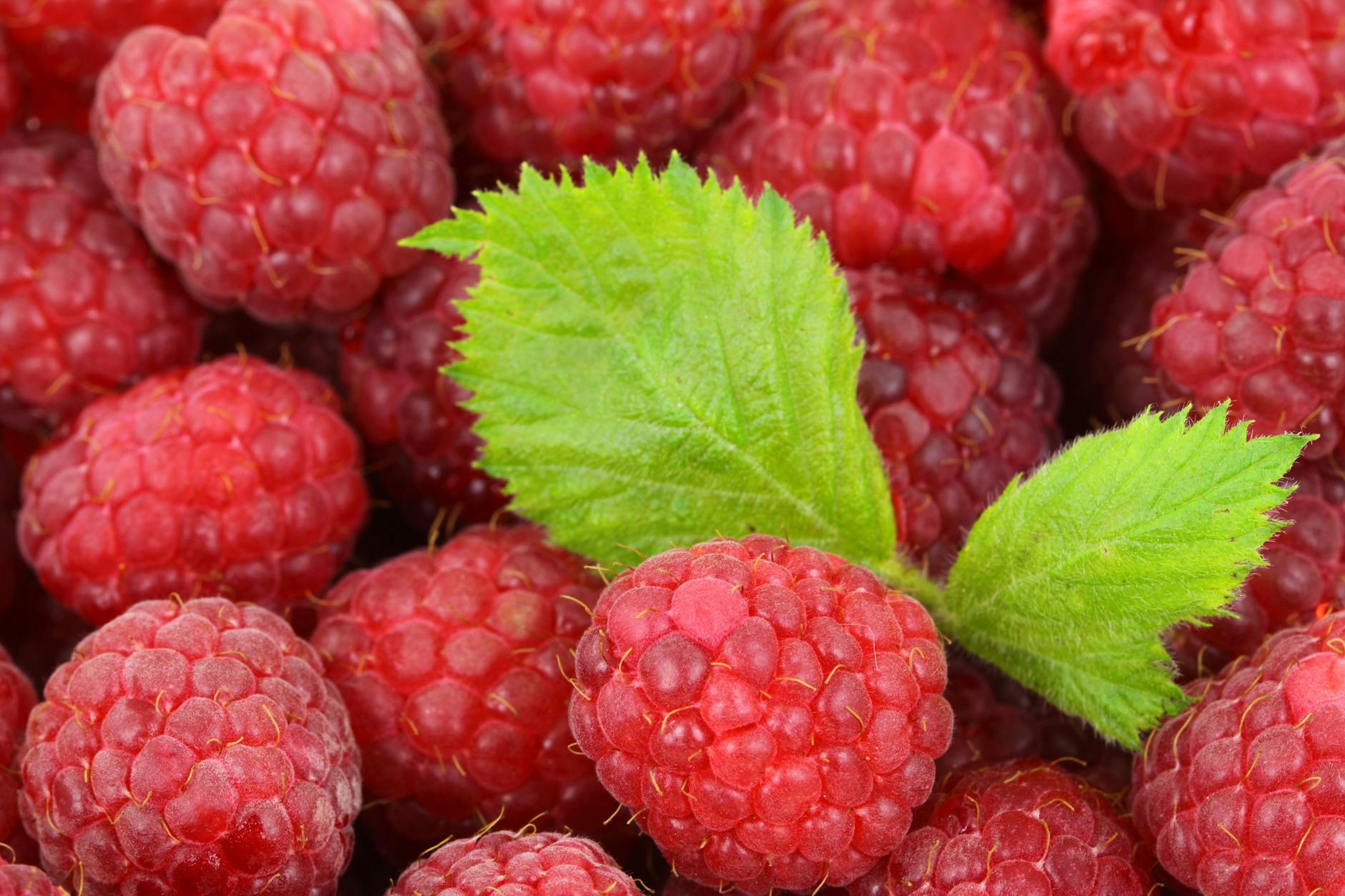
raspberries contain a unique combination of compounds that appear to have protective effects on brain tissue. The most studied components are anthocyanins, a type of flavonoid that gives berries their deep colors and appears to have anti-inflammatory and antioxidant properties. When these compounds enter the bloodstream after digestion, they can cross the blood-brain barrier and interact with neurons directly. Research has shown that anthocyanins accumulate in brain regions associated with memory and learning, suggesting they may directly support cognitive function.
The protective mechanism works through multiple pathways. Raspberries reduce inflammation in brain tissue, which is increasingly recognized as a driving factor in Alzheimer’s progression. They also help neutralize free radicals—unstable molecules that damage cell structures—before they can harm the delicate neurons essential for memory and thinking. In comparison to blueberries, which are often highlighted for brain health, raspberries contain slightly different anthocyanin profiles that may offer complementary benefits, and the two berries together appear to provide more comprehensive protection than either alone.
The Science Behind Raspberry Antioxidants and Brain Health
The antioxidant capacity of raspberries is measured using specific laboratory tests, and raspberries consistently rank high among commonly consumed fruits. However, it’s important to note that test-tube studies and animal research don’t always translate directly to human outcomes. Most of the evidence linking raspberries to reduced Alzheimer’s risk comes from observational studies that track diet and health outcomes over time, rather than controlled trials where some people eat raspberries and others don’t. This limitation means we can establish correlation but not definitive causation—people who eat raspberries regularly may also exercise more, have higher education levels, or make other healthy choices that independently protect their brains.
Additionally, the processing of raspberries affects their antioxidant content significantly. Fresh raspberries contain more active compounds than frozen raspberries, which contain more than dried or cooked versions due to heat degradation. A person consuming raspberry jam or juice may receive a much lower concentration of the beneficial compounds compared to eating fresh berries. The 23 percent risk reduction observed in studies likely comes from regular consumption of relatively fresh berries, not occasional intake of processed raspberry products with added sugars.
Specific Compounds That Protect Brain Function
Beyond anthocyanins, raspberries contain ellagic acid, a polyphenol with documented anti-inflammatory properties, and quercetin, another flavonoid implicated in neuroprotection. These compounds work through distinct mechanisms: ellagic acid appears to protect against neuroinflammation, while quercetin may specifically protect against oxidative stress in the hippocampus, the brain region central to memory formation. When researchers isolate these individual compounds and test them in laboratory models of Alzheimer’s, they consistently show the ability to reduce the accumulation of amyloid-beta, the protein thought to damage and kill neurons in Alzheimer’s disease.
The synergistic effect of multiple compounds working together is particularly important. A person eating a raspberry might receive a complex mixture of hundreds of minor compounds in addition to the well-studied major ones. This combination may be why eating whole raspberries produces better results in studies than taking isolated anthocyanin supplements. For example, a 75-year-old named Robert who switched from taking a general antioxidant supplement to eating a half-cup of fresh raspberries daily reported improved mental clarity—a subjective benefit that may reflect actual neuroprotective effects, though such anecdotal experiences don’t constitute scientific proof.

Practical Ways to Add Raspberries to Your Diet
Incorporating raspberries into daily meals is straightforward for most people. A effective serving size appears to be around half a cup daily, roughly the amount that would be added to breakfast cereal or yogurt. Raspberries can be eaten fresh, added to smoothies, mixed into oatmeal, or incorporated into salads. The practical challenge for many people is availability and cost—fresh raspberries are among the more expensive berries and have a short shelf life, making consistent daily consumption difficult for those on limited budgets or in areas with poor produce access.
Frozen raspberries offer a practical alternative that retains most antioxidant compounds and costs significantly less than fresh options. A person might spend $4-6 daily on fresh raspberries but achieve similar dietary intake for $1-2 using frozen berries purchased in bulk from discount retailers. The tradeoff is minimal—frozen raspberries deliver similar nutritional benefits and actually last longer in the home, reducing waste. Someone living in a rural area with limited produce variety might also consider raspberry jam made with minimal added sugar as an acceptable compromise, though recognizing that the heating process will reduce some antioxidant content compared to fresh fruit.
Limitations and Important Caveats About This Research
The 23 percent risk reduction figure deserves careful interpretation. This percentage is a relative reduction, meaning that if someone’s baseline risk of developing Alzheimer’s by age 85 is around 10 percent, raspberries might reduce it to about 7.7 percent—a meaningful improvement but not a guarantee of prevention. Additionally, this statistic comes from observational studies that cannot account for all the variables that influence dementia risk.
People who eat raspberries regularly tend to have higher incomes, better access to healthcare, more education, and more leisure time for physical activity—all factors that independently protect brain health and cloud the true effect of the berries themselves. Another critical limitation is that no study has proven raspberries can reverse or halt Alzheimer’s disease once it has begun. The research suggests they may reduce the risk of developing the disease over decades of healthy aging, but they are not a treatment for someone already experiencing cognitive decline or diagnosed with Alzheimer’s. Someone with a parent recently diagnosed with dementia might hope that eating raspberries could help, but the current evidence suggests the benefit comes from decades of consumption, not from late intervention after disease onset.

Other Foods That May Offer Similar Brain Protection
While raspberries show promise, they are not the only dietary approach to cognitive health. Other berries, particularly blueberries and blackberries, contain similar antioxidant compounds and appear in multiple studies as foods associated with slower cognitive decline. Beyond berries, foods like dark leafy greens (spinach, kale), fatty fish (salmon, mackerel) rich in omega-3 fatty acids, and nuts provide complementary neuroprotective benefits through different mechanisms.
The Mediterranean diet, which emphasizes vegetables, fruits, whole grains, and healthy fats, shows some of the strongest evidence for slowing cognitive decline in aging populations. For practical purposes, someone seeking to protect their brain health through diet should view raspberries as one component of a broader dietary pattern rather than a superfood solution. A person who eats raspberries daily but maintains a high-sugar diet, lacks physical activity, or has untreated high blood pressure gains less benefit than someone using multiple evidence-based approaches. The greatest protection likely comes from combining multiple dietary strategies with cardiovascular exercise, cognitive engagement, quality sleep, and management of conditions like diabetes and hypertension.
The Future of Diet-Based Dementia Prevention
As dementia prevalence rises globally—currently affecting nearly 6 million Americans—the search for prevention strategies becomes increasingly urgent. The current research on raspberries and other dietary interventions suggests that lifestyle modifications, particularly dietary changes, may prevent or delay onset of dementia by years or even decades. Future research will likely involve larger, more rigorous controlled trials that can better establish causation, as well as investigation into whether the benefits compound when multiple dietary and lifestyle interventions are combined.
The trajectory of dementia research also points toward personalized approaches based on genetics and individual risk profiles. Someone with a genetic predisposition to Alzheimer’s might benefit more from aggressive dietary and lifestyle interventions than someone without such risk factors. As genetic testing becomes more common and affordable, healthcare providers may increasingly recommend specific dietary patterns tailored to individual risk profiles, potentially making foods like raspberries part of a more targeted prevention strategy.
Conclusion
Current research demonstrates a meaningful association between regular raspberry consumption and reduced Alzheimer’s risk, with studies suggesting a 23 percent risk reduction for consistent consumers. This benefit appears to come from multiple polyphenolic compounds including anthocyanins that cross the blood-brain barrier and protect neurons through anti-inflammatory and antioxidant mechanisms. However, it’s important to recognize this association as part of a broader approach to brain health rather than a standalone solution, and to understand that prevention works best when implemented over decades, not as a last-minute intervention.
For anyone concerned about cognitive decline or family history of dementia, adding raspberries to your diet represents a simple, accessible, and evidence-supported step toward brain protection. Whether fresh, frozen, or incorporated into regular meals, a half-cup daily serving can be incorporated into nearly any eating pattern. Combined with other proven protective factors—including physical exercise, cognitive engagement, quality sleep, cardiovascular health management, and a diet rich in multiple plant-based foods—raspberries become part of a comprehensive approach to maintaining cognitive health throughout aging.
Frequently Asked Questions
How much do I need to eat to get the 23 percent risk reduction?
Studies showing the 23 percent reduction typically involved consumption of about half a cup of raspberries daily. Consistent, long-term consumption appears necessary—occasional intake is unlikely to provide the same benefit.
Are frozen raspberries as effective as fresh?
Frozen raspberries retain most of their antioxidant compounds and appear nearly equivalent to fresh berries. They’re often more affordable and convenient for regular consumption, making them a practical choice.
Can raspberries treat Alzheimer’s disease that’s already started?
No. The research shows raspberries may reduce the risk of developing Alzheimer’s over decades, not treat or reverse the disease once it has begun. They should never replace medical treatment for diagnosed cognitive decline.
What if I’m allergic to raspberries or don’t like them?
Other berries including blueberries and blackberries offer similar protective compounds. Additionally, dark leafy greens, nuts, and fatty fish provide complementary brain-protective benefits through different nutritional pathways.
How long before I see benefits from eating raspberries?
The protective effect appears to develop over years and decades of consumption, not days or weeks. Raspberries work best as part of a long-term preventive approach to brain health rather than as an intervention expected to produce rapid results.
Should I take raspberry extract supplements instead of eating the fruit?
Whole raspberries appear more effective than isolated supplements in research studies, likely because the complex mixture of compounds works synergistically. Eating the whole fruit is preferred over supplements when possible.
You Might Also Like
- wild blueberries Diet Linked to 34 Percent Lower Alzheimer’s Risk
- walnuts Diet Linked to 48 Percent Lower Alzheimer’s Risk
- turmeric Diet Linked to 25 Percent Lower Alzheimer’s Risk
For more, see National Institute on Aging.





