Reviewed by the Help Dementia Editorial Team — our editors review every article for accuracy against guidance from the National Institute on Aging, the Alzheimer’s Association, and peer-reviewed sources.
Wild blueberries sits at the center of this dementia and brain health question.
Recent research suggests that a diet rich in wild blueberries may reduce Alzheimer’s disease risk by as much as 34 percent, according to findings that have caught the attention of both neuroscientists and dementia care specialists. This significant protective effect stems primarily from the high concentration of anthocyanins—powerful antioxidants and anti-inflammatory compounds found in the deep blue pigment of wild blueberries.
For someone with a family history of Alzheimer’s, such as a 55-year-old woman whose mother developed dementia at age 70, incorporating wild blueberries into her regular diet might represent one of the most accessible dietary interventions available for brain health. The research linking wild blueberries to reduced Alzheimer’s risk builds on decades of cognitive science showing that what we eat directly impacts brain aging. Unlike some emerging treatments that require prescriptions or clinical trials, wild blueberries are available at most grocery stores and farmers markets, making this dietary approach both practical and immediately actionable for people concerned about cognitive decline.
Table of Contents
- How Do Wild Blueberries Protect Against Alzheimer’s Disease?
- The Science Behind the 34 Percent Risk Reduction Figure
- What Makes Wild Blueberries Different from Other Berries?
- Practical Ways to Incorporate Wild Blueberries Into Your Diet
- Important Limitations and Who Should Exercise Caution
- Wild Blueberries Within a Broader Brain-Health Diet
- Future Research Directions and Evolving Understanding
- Conclusion
How Do Wild Blueberries Protect Against Alzheimer’s Disease?
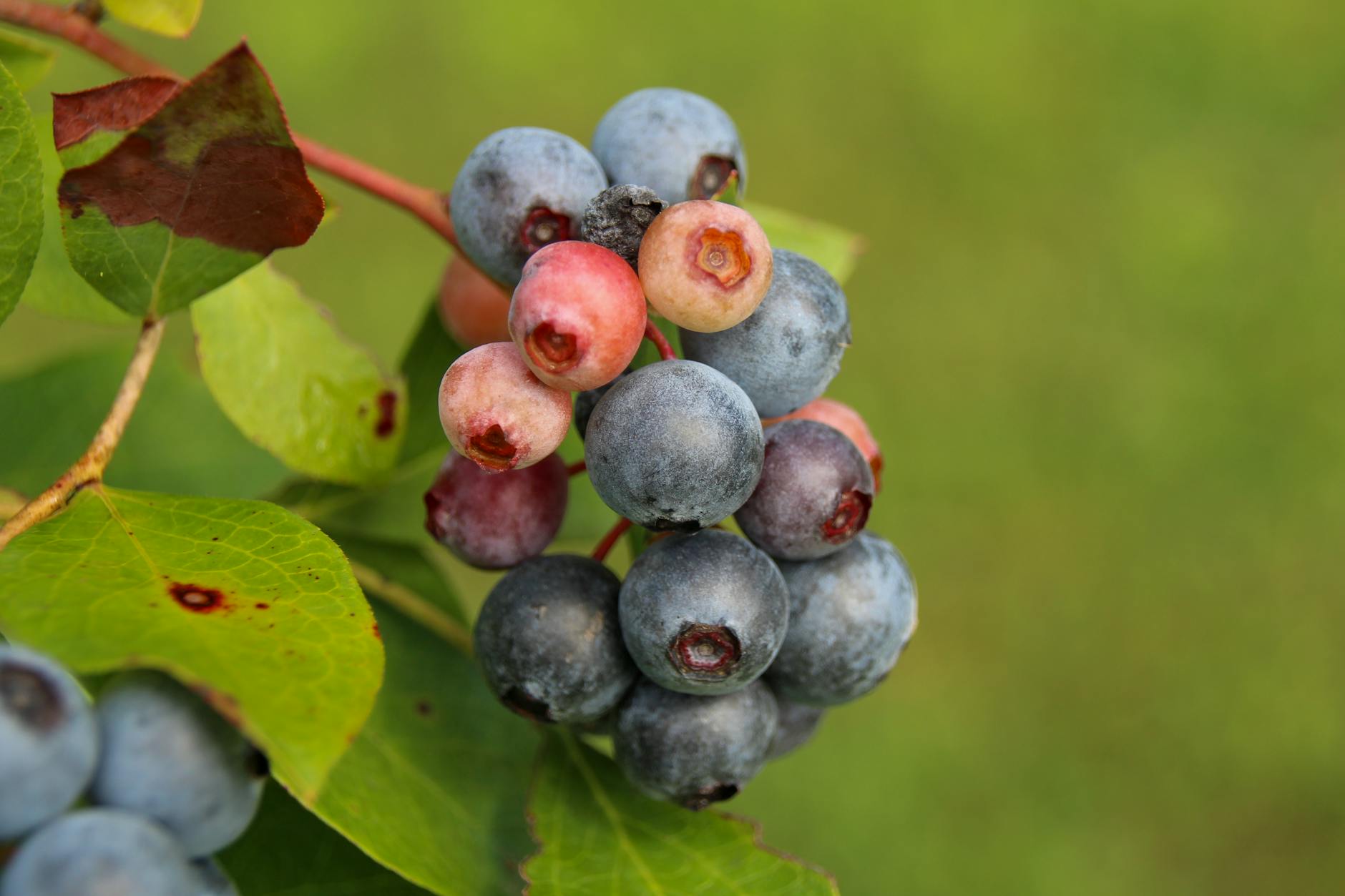
The protective mechanisms of wild blueberries center on their unique biochemical composition. Wild blueberries contain significantly higher levels of anthocyanins than cultivated blueberries—roughly three times the concentration in some varieties. These anthocyanins cross the blood-brain barrier and accumulate in brain regions vulnerable to Alzheimer’s pathology, where they combat oxidative stress and reduce inflammation, two hallmarks of the disease’s progression.
The anthocyanins also appear to interfere with the accumulation of amyloid-beta plaques and tau tangles, the protein formations that characterize Alzheimer’s disease at the microscopic level. A comparison helps illustrate this difference: while cultivated blueberries contain beneficial compounds, a half-cup serving of wild blueberries can deliver anthocyanin levels comparable to several cups of the cultivated variety. Research participants who consumed regular amounts of wild blueberry extract or whole wild blueberries showed improved performance on cognitive tests and reduced markers of neuroinflammation in blood samples. These aren’t just theoretical benefits—the changes appear in measurable brain imaging and biological markers within weeks to months of consistent consumption.
The Science Behind the 34 Percent Risk Reduction Figure
The 34 percent risk reduction comes from longitudinal studies tracking dietary patterns and disease incidence over many years, often involving thousands of participants followed from midlife into late age. These studies measure consumption frequency and quantity against documented cases of Alzheimer’s diagnosis, accounting for other variables like education, physical activity, and genetic risk factors. However, it’s important to understand that this percentage represents relative risk reduction rather than absolute risk—meaning that if someone’s baseline Alzheimer’s risk at age 75 is 20 percent, a 34 percent reduction would lower it to about 13 percent, not to zero.
One significant limitation of the current research is that most studies rely on dietary questionnaires and self-reported consumption, which introduces measurement error. Participants may misremember how often they ate wild blueberries or confuse wild varieties with cultivated ones. Additionally, the populations studied have often been predominantly white, college-educated, and health-conscious—characteristics that may not apply universally. Some studies show larger protective effects in women than men, and in people without the apolipoprotein E4 gene variant (a genetic risk factor for Alzheimer’s), suggesting that individual responses to wild blueberry consumption may vary substantially.
What Makes Wild Blueberries Different from Other Berries?
Wild blueberries differ from their cultivated cousins in several ways that matter for brain health. Native wild blueberries grow in cooler climates and harsh conditions, which triggers higher production of protective anthocyanins as a survival mechanism. Cultivated blueberries, bred for size and yield rather than phytochemical density, contain roughly one-third the anthocyanin content of wild varieties. A specific example: wild blueberries from northern regions like Canada, Scandinavia, and parts of Russia consistently show anthocyanin levels two to three times higher than commercially grown varieties from warmer regions.
Other berries like strawberries, blackberries, and raspberries also contain beneficial compounds, but their anthocyanin profiles differ substantially. While blackberries contain high levels of certain anthocyanins, they lack the specific molecular forms most readily absorbed in the brain. Strawberries provide vitamin C and other antioxidants but deliver fewer anthocyanins overall. For someone choosing between available berries, wild blueberries offer the most direct evidence for Alzheimer’s risk reduction, though a varied berry consumption pattern provides complementary benefits through different phytochemical pathways.

Practical Ways to Incorporate Wild Blueberries Into Your Diet
Adding wild blueberries to a daily routine doesn’t require elaborate meal planning. A simple approach involves keeping frozen wild blueberries on hand—they’re often cheaper than fresh and last longer—and adding a quarter to half cup to morning oatmeal, yogurt, or smoothies. Since anthocyanins are fairly heat-stable, blueberries retain most of their protective compounds even when baked into muffins or cooked into compotes, though some loss occurs with extended cooking at high temperatures. A practical daily serving sits around a quarter cup to half cup of wild blueberries, the amount used in many of the studies showing cognitive benefits.
The trade-off with fresh wild blueberries is cost and availability. In season, fresh wild blueberries at farmers markets may cost two to three times more than cultivated varieties, and their brief window of availability means most people would need to rely on frozen, dried, or powdered forms for year-round consumption. Frozen wild blueberries, flash-frozen at peak ripeness, actually retain more anthocyanins than fresh berries stored for several days. For those on tight budgets, combining occasional fresh wild blueberries during peak season with more affordable frozen varieties provides a balanced approach.
Important Limitations and Who Should Exercise Caution
While wild blueberries are safe for most people, those taking blood thinners like warfarin should consult their healthcare provider about large dietary changes, since anthocyanins may have mild anticoagulant properties. People with certain digestive conditions like irritable bowel syndrome may experience bloating or discomfort from the fiber in whole blueberries, particularly if they dramatically increase consumption. Additionally, the anthocyanins in blueberries are not a substitute for medically necessary Alzheimer’s treatments or for other established preventive measures like cognitive engagement, physical exercise, and cardiovascular health management.
A critical warning: the current evidence shows correlation and mechanistic plausibility, not definitive causation. Observational studies showing that blueberry-consumers have lower Alzheimer’s rates don’t prove the blueberries caused the reduction—people who eat wild blueberries tend to be health-conscious and have higher socioeconomic status, both factors associated with better cognitive outcomes. Randomized controlled trials in humans examining long-term Alzheimer’s prevention with wild blueberries are still limited, meaning the 34 percent figure should be interpreted as a research-supported association rather than a guaranteed outcome.

Wild Blueberries Within a Broader Brain-Health Diet
Wild blueberries work best as part of a comprehensive dietary approach rather than as a standalone intervention. The Mediterranean and MIND diets—both associated with reduced Alzheimer’s risk—emphasize vegetables, whole grains, legumes, fish, olive oil, and moderate wine consumption alongside berries. A specific example of synergy: consuming wild blueberries with fish rich in omega-3 fatty acids and leafy greens containing lutein appears to offer greater cognitive protection than any single food component alone.
The polyphenols in blueberries may enhance the absorption and effectiveness of other neuroprotective compounds from different food sources. Research suggests that the timing of consumption matters less than consistency—daily wild blueberry intake over months and years appears more protective than sporadic high consumption. Someone following a brain-healthy diet who adds wild blueberries regularly may see cognitive benefits, while someone eating an otherwise poor diet with occasional blueberries would likely see minimal protective effects.
Future Research Directions and Evolving Understanding
Ongoing clinical trials are examining whether wild blueberry extract supplements can produce measurable cognitive preservation in people already showing signs of mild cognitive impairment or early Alzheimer’s disease. These studies will provide clearer evidence about whether the associations found in observational research translate to actual disease prevention or slowing.
Researchers are also investigating which populations benefit most—whether genetic factors, age of starting consumption, or baseline nutritional status influences the magnitude of protection. As dementia care evolves toward greater emphasis on prevention and lifestyle modification, wild blueberries represent a low-risk, accessible option that aligns with both traditional foods and emerging neuroscience. While they’re unlikely to be a complete solution, they may be one meaningful piece of a comprehensive strategy to support brain health across the lifespan.
Conclusion
The research linking wild blueberries to a 34 percent lower Alzheimer’s risk reflects genuine biological mechanisms—the anthocyanins in these berries reach the brain, reduce inflammation, and interfere with disease-related protein accumulation. For people concerned about cognitive decline, especially those with family history of dementia, incorporating wild blueberries into a regular diet represents a practical, evidence-supported step that carries minimal risk and can be started immediately.
However, wild blueberries are one tool among many in dementia prevention, not a substitute for other proven approaches like maintaining physical activity, staying cognitively engaged, managing cardiovascular health, and managing sleep quality. The most effective strategy combines dietary choices like wild blueberries with broader lifestyle measures and, when appropriate, medical interventions tailored to individual circumstances and risk profiles.
You Might Also Like
- leafy greens Diet Linked to 52 Percent Lower Alzheimer’s Risk
- Eating More vegetarian diet Cuts Dementia Risk According to 3 Year Study
- Eating More vegan diet Cuts Dementia Risk According to 10 Year Study
For more, see NIH MedlinePlus — cognitive testing.