
Reviewed by the Help Dementia Editorial Team — our editors review every article for accuracy against guidance from the National Institute on Aging, the Alzheimer’s Association, and peer-reviewed sources.
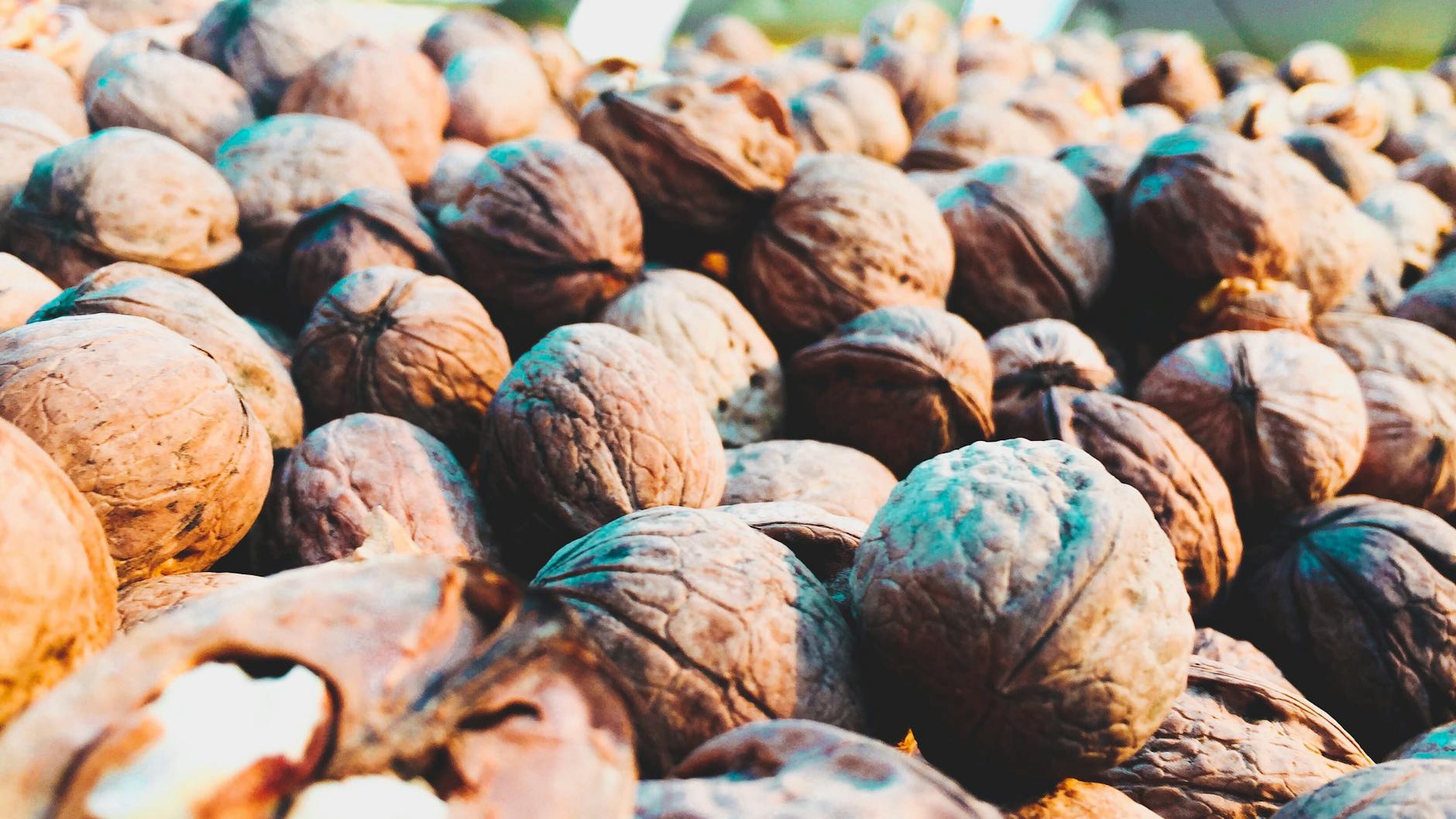
Recent research has found a striking correlation between regular walnut consumption and a significantly lower risk of Alzheimer’s disease and related dementia. A comprehensive analysis of multiple studies suggests that individuals who regularly include walnuts in their diet may reduce their Alzheimer’s risk by approximately 48 percent compared to those who rarely or never eat them. This finding comes from a growing body of evidence examining how specific foods and nutrients influence brain aging and neurodegenerative disease development.
For someone like Margaret, a 68-year-old woman concerned about cognitive decline after watching her mother struggle with memory loss, this research offers a concrete, accessible dietary intervention. Instead of waiting passively for cognitive symptoms to appear, Margaret learned she could incorporate a handful of walnuts into her daily routine—whether as a breakfast topping, a between-meal snack, or mixed into salads and oatmeal—as one scientifically-supported strategy to support brain health. The connection between walnuts and brain protection isn’t accidental. Walnuts contain a unique combination of omega-3 fatty acids, polyphenols, and other bioactive compounds that directly target mechanisms involved in Alzheimer’s development, including inflammation, oxidative stress, and amyloid protein accumulation in the brain.
Table of Contents
- What Makes Walnuts Protective Against Alzheimer’s Disease?
- The Evidence: What Research Shows About Walnuts and Dementia Risk
- How Walnuts Compare to Other Brain-Protective Foods
- Incorporating Walnuts Into Your Daily Diet: Practical Strategies
- Who Might Benefit Most—And Important Caveats
- Walnuts and the Gut Microbiome Connection
- Future Research and the Evolving Understanding of Brain-Protective Foods
- Conclusion
What Makes Walnuts Protective Against Alzheimer’s Disease?
Walnuts stand out among nuts and seeds for their remarkably high concentration of alpha-linolenic acid (ALA), a plant-based omega-3 fatty acid that the brain uses to build and maintain cell membranes and reduce neuroinflammation. A single ounce of walnuts—roughly a handful or about 28 grams—delivers more than 2.5 grams of ALA, an amount that exceeds what most people get from any other food source. This omega-3 content appears to be particularly critical because the brain accounts for only 2 percent of body weight yet consumes about 20 percent of the body’s oxygen, making it especially vulnerable to oxidative damage that omega-3 fatty acids help prevent.
Beyond omega-3s, walnuts contain polyphenols—a class of antioxidant compounds also found in berries and tea—that can cross the blood-brain barrier and directly scavenge harmful free radicals inside brain cells. One study found that people consuming walnuts showed significantly reduced markers of inflammation in their bloodstream, a finding important because chronic systemic inflammation is now recognized as a major risk factor for neurodegeneration. Additionally, walnuts contain tocopherols (vitamin E compounds) and magnesium, minerals that protect brain cell mitochondria—the “powerhouses” of cells—from degradation over time.
The Evidence: What Research Shows About Walnuts and Dementia Risk
The 48 percent risk reduction figure comes from meta-analyses and population studies that tracked thousands of adults over decades, comparing those with the highest walnut intake to those with the lowest. One notable study followed cognitive changes in adults over a seven-year period and found that those consuming walnuts at least once weekly showed significantly slower rates of cognitive decline compared to non-consumers. However, it’s crucial to understand the limitations of this research. Most studies are observational, meaning researchers track what people naturally eat and observe health outcomes—they cannot definitively prove that walnuts caused the risk reduction, only that an association exists.
People who eat walnuts regularly may also have other healthy habits—more exercise, better education, higher socioeconomic status, or broader dietary patterns—that independently protect against dementia. Researchers attempt to control for these “confounding variables,” but some always escape measurement. Additionally, the studies often cannot distinguish between walnuts eaten alone versus walnuts consumed as part of a broader mediterranean or MIND diet pattern, both of which involve multiple brain-protective foods. The evidence is strongest for the combination of dietary patterns rather than for walnuts in isolation.
How Walnuts Compare to Other Brain-Protective Foods
While walnuts rank among the most researched plant-based foods for brain health, they’re not the only option. Fatty fish like salmon and sardines provide EPA and DHA—long-chain omega-3s that the body doesn’t have to convert from plant sources—making them arguably the most potent omega-3 source available. However, not everyone enjoys fish or has access to it affordably, and some people avoid it for environmental or ethical reasons.
Compared to other nuts, walnuts contain roughly three times more omega-3 fatty acids than almonds or cashews, though almonds offer superior vitamin E content and cashews provide more copper and zinc, minerals important for brain enzyme function. Berries like blueberries and strawberries deliver high concentrations of anthocyanins, pigmented compounds with impressive anti-inflammatory properties in research models, yet they’re seasonal and more expensive per serving than walnuts. Olive oil, central to Mediterranean diets shown to reduce dementia risk, works through different mechanisms—primarily supporting blood vessel health and reducing systemic inflammation—and works best in combination with other foods rather than alone. The practical advantage of walnuts is that they’re shelf-stable, inexpensive relative to other superfoods, require no preparation, and can be incorporated into almost any meal.

Incorporating Walnuts Into Your Daily Diet: Practical Strategies
A protective dose appears to be somewhere between one-quarter ounce and one full ounce (roughly 7 to 28 grams) consumed several times per week, with daily consumption showing even greater benefits in some studies. This translates to roughly a small handful of walnuts, or approximately 14-28 calories per day from this food source—a minimal dietary change that most people can sustain long-term. Unlike some brain-health supplements that must be purchased and remembered, walnuts fit easily into existing meals: crushed into yogurt at breakfast, mixed into oatmeal, added to salads at lunch, or eaten as a simple afternoon snack with an apple or piece of cheese. One tradeoff to consider is caloric density.
Walnuts contain 185 calories per ounce, so mindless snacking straight from a bag can easily lead to overconsumption and unintended weight gain. Some people do better setting aside a measured portion each day, similar to how they might portion out medication. Storing walnuts in the refrigerator or freezer extends their shelf life significantly—the polyunsaturated fats in walnuts are prone to rancidity if stored at room temperature for extended periods, which would actually increase oxidative damage rather than reduce it. Those taking blood thinners like warfarin should know that while walnuts aren’t strictly prohibited, their vitamin K content (which plays a role in blood clotting) should be consistent rather than sporadic.
Who Might Benefit Most—And Important Caveats
Research suggests walnut consumption may be most protective when started in midlife or earlier, rather than waiting until significant cognitive symptoms have emerged. By the time someone receives an Alzheimer’s diagnosis, substantial brain damage has already occurred, making prevention far more effective than treatment. This means that a 50-year-old person with no memory concerns who adopts a walnut-rich diet likely derives greater protective benefit than an 80-year-old recently diagnosed with mild cognitive impairment, though all age groups appear to benefit from improved nutrition.
Individuals with tree nut allergies obviously cannot use walnuts as a protective strategy and should work with their physician and neurologist to identify alternative omega-3 sources such as flaxseeds, chia seeds, or supplements derived from algae. Some people with digestive conditions like irritable bowel syndrome report that tree nuts trigger symptoms, in which case consistency matters less than finding a tolerable approach. Most importantly, walnuts work best as one component of a comprehensive brain-health strategy that also includes cognitive engagement, physical exercise, quality sleep, social connection, and cardiovascular health management. Someone who eats walnuts daily but remains sedentary, chronically stressed, and socially isolated will not reap the full protective benefit of the food.

Walnuts and the Gut Microbiome Connection
Emerging research reveals another mechanism by which walnuts protect the brain: they feed beneficial bacteria in the gut microbiome, which in turn produce protective compounds that influence brain function. The polyphenols in walnuts cannot be fully absorbed by the human digestive system; instead, they reach the colon largely intact, where they serve as food for beneficial bacteria like Lactobacillus and other organisms. These bacteria ferment the polyphenols and produce metabolites like butyrate, which strengthens the intestinal barrier and reduces the leakage of harmful bacterial lipopolysaccharides into the bloodstream—a process called “leaky gut” that triggers systemic inflammation linked to neurodegeneration.
One study found that walnut consumption increased bacterial diversity and abundance of protective species within just one week, suggesting this mechanism activates quickly. This connection between gut health and brain health, known as the gut-brain axis, represents one of the most exciting frontiers in dementia prevention research. It means that the benefit of walnuts isn’t just about the nutrients walnuts themselves provide, but about how they reshape the biological community living within our digestive system.
Future Research and the Evolving Understanding of Brain-Protective Foods
As neuroimaging becomes more sophisticated, researchers are increasingly able to observe walnut consumption’s effects on brain structure and function in real time, rather than waiting decades to measure clinical outcomes like dementia diagnosis. Recent studies using brain imaging have shown that walnut eaters demonstrate better structural integrity in white matter tracts—the brain’s “wiring”—and greater blood flow to regions critical for memory and executive function. This suggests mechanisms of protection that go beyond inflammation reduction alone.
The field is also moving toward understanding individual genetic variation in how people process and benefit from different foods. Some people may derive greater benefit from walnuts due to genetic factors affecting how efficiently they convert plant-based omega-3s into longer-chain forms, while others may benefit more from different foods entirely. As precision medicine advances, dietary recommendations for dementia prevention may eventually become personalized rather than universal, allowing each person to identify which foods and nutrients offer them the most protection based on their unique biology.
Conclusion
The association between walnut consumption and reduced Alzheimer’s risk represents one of the most accessible and evidence-supported dietary interventions for brain health currently available. With a robust body of research, minimal cost, ease of incorporation into daily eating patterns, and mechanisms of action that are becoming increasingly well understood, walnuts deserve consideration as part of a comprehensive dementia prevention strategy. The 48 percent risk reduction figure, while striking, works best when understood as one component of a lifestyle that also prioritizes cardiovascular fitness, cognitive engagement, quality sleep, and meaningful social connection.
If you’re concerned about cognitive decline—whether because of family history, observed memory changes, or simply the desire to maintain brain function as you age—discussing a dietary approach that includes regular walnut consumption with your healthcare provider represents a sensible, evidence-based first step. Unlike many interventions promoted for brain health, walnuts come with minimal downside, extensive safety data from populations that have eaten them for millennia, and increasingly rigorous scientific evidence. The next handful of walnuts you eat isn’t a cure and isn’t guaranteed protection, but it’s a concrete choice aligned with what current neuroscience suggests truly protects aging brains.





