How Families Preserve Framed Family Portraits Before Alzheimer’s Takes More Memories
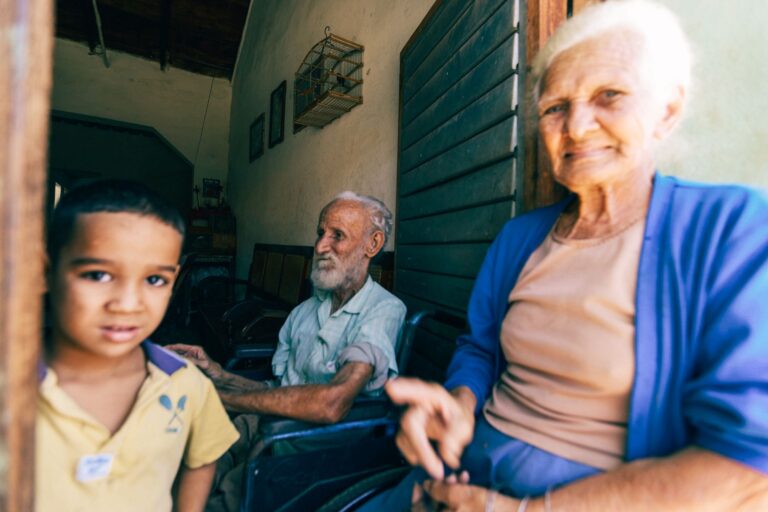
Learn what to record, where to keep originals, and how labeled portrait copies can support family connection.
Learn what to record, where to keep originals, and how labeled portrait copies can support family connection.
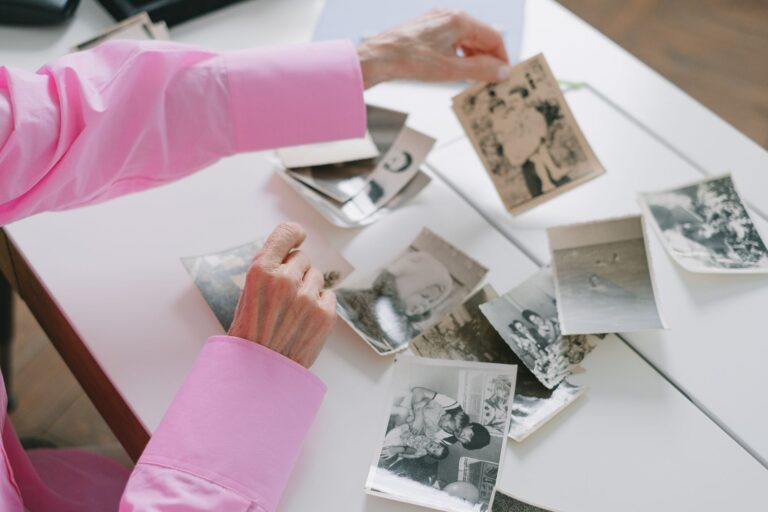
Save handwriting, names, stories, and context with a clear scan, family interview, secure backups, and safe paper storage.
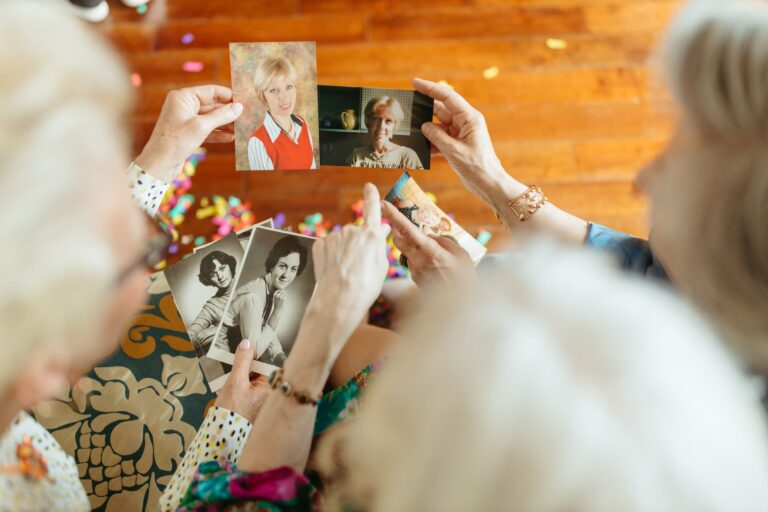
Family storytelling reduces anxiety and isolation in Alzheimer's while strengthening caregiver mental health.

Document family genealogy and stories through video recordings and archives during mild cognitive impairment, before the 8.5-year lead-up to Alzheimer's makes memories permanently inaccessible.
Organize postcards into memory albums, store them in archival conditions, and digitize them to create reminiscence therapy that maintains connection through Alzheimer's.

Jewelry matters because [personal items serve as object-cued memory anchors](https://www.materialisingmemories.com/projects/personal-possessions-as-cues-fo...

Document family quilts and their stories early in cognitive decline, then store them in archival conditions while using them to comfort and ground people with Alzheimer's.

Families preserve printed emails by extracting them to stable formats and creating memory books that use reminiscence therapy to help early-stage Alzheimer's patients connect with their life story.

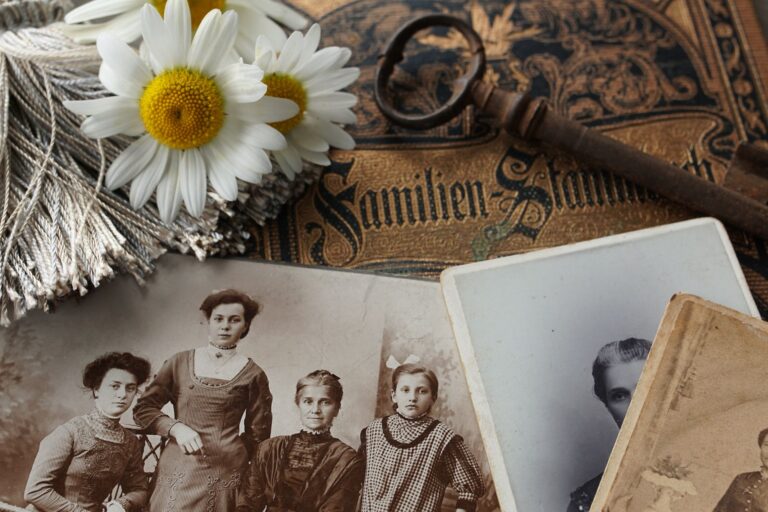
Digitizing family photographs at high resolution, labeling them with names and dates, and backing up across multiple formats preserves memories even as Alzheimer's progresses.
Genealogy records identify inherited dementia patterns that determine whether genetic testing and preventive treatments apply to your family.