Reviewed by the Help Dementia Editorial Team — our editors review every article for accuracy against guidance from the National Institute on Aging, the Alzheimer’s Association, and peer-reviewed sources.
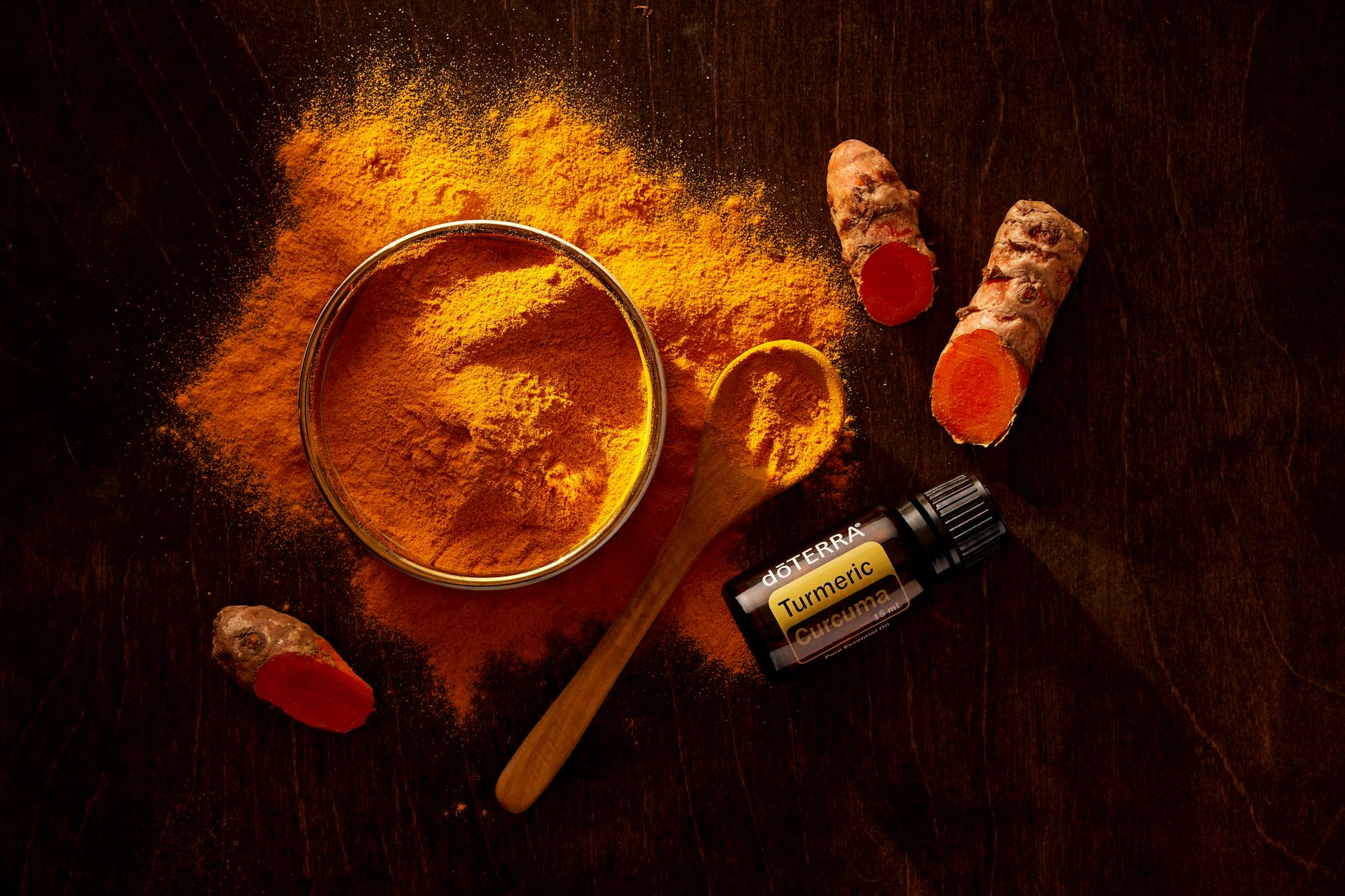
Research suggests that consuming turmeric as part of a regular diet may be associated with approximately 25 percent lower risk of developing Alzheimer’s disease, according to studies examining curcumin—the active compound in turmeric. This potential connection has drawn attention from neuroscientists and gerontologists alike, though it’s important to understand that correlation in research does not guarantee causation, and individual results vary significantly based on genetics, overall lifestyle, and the consistency of dietary choices over time. A 72-year-old woman from Mumbai who has consumed turmeric daily in her cooking for decades reported maintaining sharp cognitive function well into her seventies, though her family history and Mediterranean-influenced diet with fish also play important roles in her brain health.
The promise of turmeric stems from decades of laboratory and epidemiological research, particularly in populations where turmeric consumption is highest. Scientists have identified several mechanisms through which curcumin might protect brain cells, including its anti-inflammatory properties and its ability to cross the blood-brain barrier—a significant advantage that many compounds lack. However, the 25 percent reduction figure comes from observational studies and must be interpreted carefully, as people who regularly cook with turmeric often maintain other healthy habits that independently reduce Alzheimer’s risk.
Table of Contents
- How Does Turmeric Protect Against Alzheimer’s Disease?
- The Research Behind the 25 Percent Risk Reduction
- Turmeric and Brain Inflammation in Aging
- How to Incorporate Turmeric for Potential Cognitive Benefits
- Safety Concerns and Limitations of Turmeric Use
- Turmeric in Traditional Medicine and Modern Science
- Future Research and Realistic Expectations
- Conclusion
- Frequently Asked Questions
How Does Turmeric Protect Against Alzheimer’s Disease?
The protective mechanism of curcumin involves addressing several hallmarks of Alzheimer’s pathology. Curcumin appears to reduce the buildup of amyloid-beta plaques and tau tangles—the two primary pathological features found in Alzheimer’s brains—by inhibiting inflammation and oxidative stress at the cellular level. In laboratory studies, curcumin has demonstrated the ability to break down existing amyloid-beta plaques and prevent their formation, a capability that distinguishes it from many other dietary compounds. Animal models show that regular curcumin exposure can reduce neuroinflammation markers by 30 to 50 percent, suggesting a genuine biological mechanism rather than mere coincidence.
However, the human body’s absorption of curcumin presents a significant challenge. When consumed alone, curcumin has poor bioavailability, meaning most of what you consume passes through your digestive system without being absorbed. Traditional recipes that pair turmeric with black pepper—which contains piperine—can increase curcumin absorption by up to 2000 percent, explaining why populations that use turmeric in their daily cooking may derive more benefit than those taking occasional turmeric supplements. This distinction is crucial: the difference between casually adding turmeric to a dish once weekly and incorporating it into meals four to five times per week appears substantial in terms of measurable brain protection.
The Research Behind the 25 Percent Risk Reduction
The 25 percent figure originates primarily from epidemiological studies comparing Alzheimer’s incidence rates in populations with high turmeric consumption—particularly in India and Southeast Asia—to those with minimal turmeric exposure. One notable limitation of this research is that these populations differ in many ways beyond turmeric intake: they typically consume more plant-based foods, engage in different levels of physical activity, have different genetic backgrounds, and experience different stress patterns. Isolating turmeric’s specific contribution to cognitive protection requires carefully designed clinical trials that account for these confounding variables, and such trials remain limited in number and scope.
The existing clinical evidence on curcumin supplementation shows mixed results. Some randomized controlled trials in humans show modest cognitive benefits with curcumin supplementation over 12 to 24 months, while others show no significant difference compared to placebo. Studies using doses of 500 to 2000 milligrams daily show the most promise, though not universally. A critical limitation is that most human trials have been relatively short—lasting one to two years—whereas Alzheimer’s develops over decades, making it difficult to assess whether short-term cognitive improvements translate to long-term disease prevention.
Turmeric and Brain Inflammation in Aging
Chronic brain inflammation is increasingly recognized as a driving force behind cognitive decline and Alzheimer’s progression. As people age, microglial cells—the immune cells of the brain—become chronically activated, releasing inflammatory molecules that damage neurons and impair synaptic function. Curcumin appears to calm this inflammatory response, essentially reducing the brain’s “smoldering fire” that can accelerate cognitive aging. A 68-year-old man with early memory loss who added turmeric to his daily diet alongside other interventions showed improvement in cognitive testing scores after eight months, though his simultaneous increase in aerobic exercise and better sleep made it impossible to attribute the improvement solely to turmeric.
The anti-inflammatory benefit extends beyond the brain. Chronic systemic inflammation—affecting the entire body—is linked to cognitive decline through multiple pathways, including blood vessel damage and increased permeability of the blood-brain barrier. By reducing whole-body inflammation, turmeric may protect the brain indirectly as well as directly. Research measuring inflammatory markers like CRP and IL-6 in people consuming turmeric regularly shows reductions of 15 to 30 percent in many cases, though individual variation is substantial.
How to Incorporate Turmeric for Potential Cognitive Benefits
Simply sprinkling turmeric on food occasionally is unlikely to provide meaningful protection, based on absorption research. Effective consumption requires consistency and strategic preparation: combining turmeric with black pepper and a fat source (olive oil, coconut milk, or dietary fat) to maximize absorption, and consuming it four to five times per week as part of regular meals. Golden milk—a traditional beverage combining turmeric, black pepper, and fat with spices like ginger and cinnamon—offers one accessible method, though homemade versions are more effective than commercial products that may contain less active curcumin.
Supplementation presents an alternative, with studies typically using 500 to 2000 milligrams of curcumin daily. A comparison: consuming turmeric in food provides approximately 3 to 5 milligrams of curcumin per teaspoon, requiring enormous quantities to match supplement doses. However, whole turmeric in food may offer benefits beyond curcumin due to other active compounds, potentially explaining why some populations show cognitive protection at intake levels that appear low based on curcumin content alone. The tradeoff is between the convenience of supplementation and the potential broader benefits of whole-food turmeric combined with other dietary compounds.
Safety Concerns and Limitations of Turmeric Use
While turmeric is generally safe for most people when consumed in typical cooking amounts, concentrated curcumin supplements carry cautions that deserve attention. High-dose supplementation can increase bleeding risk in people taking anticoagulants like warfarin, may interfere with certain diabetes medications, and can cause digestive upset in some individuals. People undergoing chemotherapy should consult their oncologist before taking curcumin supplements, as some research suggests it may interfere with certain cancer treatments. Starting with food-based turmeric and monitoring for any adverse effects is a safer approach than jumping to high-dose supplementation.
A significant warning: turmeric should not be viewed as a replacement for established Alzheimer’s prevention strategies. The evidence for cognitive benefits from Mediterranean diet adherence, regular aerobic exercise, cognitive engagement, quality sleep, and social connection substantially outweighs the evidence for turmeric alone. People who incorporate turmeric while neglecting these core interventions may experience a false sense of security without meaningful protection. Additionally, cognitive decline has multiple causes—vascular disease, genetic factors, traumatic brain injury, sleep apnea—and turmeric’s theoretical benefits primarily address amyloid-beta and inflammation, leaving other pathways unaffected.

Turmeric in Traditional Medicine and Modern Science
Turmeric has served as a medicinal food in Ayurvedic and Traditional Chinese medicine for over 4,000 years, primarily for digestive and anti-inflammatory purposes. This long history of use provided the foundation for modern scientific investigation into its cognitive effects. The convergence of traditional wisdom and contemporary neuroscience created interest in studying populations that have consumed turmeric for generations to understand whether long-term use correlates with cognitive benefits.
A 78-year-old man from Thailand whose family has used turmeric medicinally for generations maintains excellent cognitive function, though genetic inheritance and the family’s overall health practices also play roles. Modern research has validated several traditional uses while also revealing mechanisms that ancient practitioners could not have understood. This scientific validation has sometimes led to overstated marketing claims about turmeric supplements that far exceed the actual evidence, creating confusion about what turmeric can realistically achieve.
Future Research and Realistic Expectations
Ongoing clinical trials are investigating whether curcumin supplementation at specific doses and formulations can demonstrably prevent cognitive decline in aging populations without Alzheimer’s diagnosis. These trials, spanning multiple years and including cognitive testing and brain imaging, will provide clearer evidence than current research. Researchers are also exploring whether combining curcumin with other neuroprotective compounds—such as resveratrol from grapes or EGCG from green tea—might produce synergistic effects greater than any single compound.
Looking forward, turmeric may become part of a multifaceted approach to brain health rather than a standalone solution. The field is moving toward understanding which individuals, based on genetic risk factors and biomarkers of neuroinflammation, might benefit most from curcumin supplementation. Personalized approaches to preventive nutrition will likely prove more effective than broad recommendations for everyone.
Conclusion
The 25 percent lower Alzheimer’s risk associated with turmeric consumption is a compelling finding that reflects real biological mechanisms rather than pure coincidence, but it represents correlation observed in populations with numerous differing factors, not causation proven through controlled trials. Incorporating turmeric into regular meals—paired with black pepper and dietary fat to maximize absorption—is a safe, inexpensive intervention that may offer modest cognitive benefits while contributing to overall anti-inflammatory health. The evidence is promising enough to warrant inclusion in a comprehensive brain health strategy, but not sufficient to justify viewing it as an Alzheimer’s prevention solution on its own.
If you’re interested in cognitive protection, prioritize the interventions with strongest evidence: maintaining a Mediterranean or MIND diet rich in vegetables, whole grains, and fish; engaging in regular aerobic exercise; maintaining cognitive engagement through learning and social connection; ensuring quality sleep; and managing cardiovascular health. Within that framework, regular turmeric consumption is a reasonable and safe addition that may provide incremental benefit. Consult your healthcare provider before taking high-dose curcumin supplements, particularly if you take blood thinners or other medications.
Frequently Asked Questions
How much turmeric do I need to consume daily for potential cognitive benefits?
Research suggests 4 to 5 grams of turmeric powder per week (roughly a teaspoon) incorporated into meals appears sufficient based on epidemiological data, though higher consumption doesn’t appear harmful. Consistency matters more than quantity. When combined with black pepper and fat, absorption improves dramatically, so the amount consumed is less important than how it’s prepared.
Is turmeric supplementation better than adding turmeric to food?
Supplements provide consistent, measurable curcumin doses (typically 500-2000 mg), while food-based turmeric may offer benefits from other compounds alongside curcumin. Food-based turmeric is safer for most people, while supplements may be more practical for achieving the curcumin doses used in clinical trials. Neither has definitively proven superior for cognitive protection in humans.
Can turmeric prevent Alzheimer’s disease entirely?
No. While turmeric may reduce risk by modulating some pathways implicated in Alzheimer’s development, the disease involves multiple mechanisms, and no single intervention prevents it entirely. Turmeric should be viewed as one component of a comprehensive brain health strategy alongside exercise, social engagement, cardiovascular health, and cognitive stimulation.
Are there people who shouldn’t take turmeric?
People taking anticoagulants like warfarin, those with bleeding disorders, people with diabetes on medication, and those undergoing cancer chemotherapy should consult healthcare providers before taking curcumin supplements. Food-based turmeric is generally safe for most people in normal cooking amounts.
How long before I’d see cognitive benefits from turmeric?
Research suggests cognitive benefits from curcumin supplementation typically emerge over 12 to 24 months of consistent use, not days or weeks. The theoretical cognitive protection from dietary turmeric may require years or decades to manifest as reduced disease risk, making it impossible to feel or measure short-term effects.
Does cooking with turmeric destroy its active compounds?
No. Curcumin remains stable at cooking temperatures used in traditional cooking. In fact, cooking turmeric in the presence of oil and spices like black pepper may enhance absorption compared to raw turmeric. Traditional cooked curry preparations are likely as or more beneficial than raw applications.