Reviewed by the Help Dementia Editorial Team — our editors review every article for accuracy against guidance from the National Institute on Aging, the Alzheimer’s Association, and peer-reviewed sources.
Oatmeal diet sits at the center of this dementia and brain health question.
Recent research suggests that incorporating oatmeal into your regular diet could reduce your risk of developing Alzheimer’s disease by as much as 48 percent. This finding comes from studies examining the dietary patterns of older adults and their long-term cognitive health outcomes. While not a guarantee of prevention, the evidence points to oatmeal as one of several foods that may offer meaningful protection against cognitive decline as we age.
A 70-year-old woman who switched from a typical American breakfast of eggs and toast to a daily bowl of oatmeal with berries is the kind of person who might experience these potential protective benefits over time. The potential link between oatmeal consumption and lower Alzheimer’s risk has generated significant interest among gerontologists and neurologists because it offers a practical, accessible intervention that people can implement immediately. Unlike some pharmaceutical approaches that remain years away from market approval, dietary changes are something individuals and families can control right now. The 48 percent reduction figure, while noteworthy, comes with important caveats about study design and population groups that we’ll explore throughout this article.
Table of Contents
- How Does Oatmeal Protect Against Cognitive Decline?
- Understanding the 48 Percent Risk Reduction and Its Limitations
- Key Nutrients in Oatmeal That Support Brain Health
- Incorporating Oatmeal Into a Brain-Healthy Diet for Cognitive Protection
- Challenges and Misconceptions About Oatmeal’s Brain-Health Claims
- Complementary Foods and Dietary Patterns for Maximum Cognitive Protection
- Future Research Directions and Emerging Evidence
- Conclusion
- Frequently Asked Questions
How Does Oatmeal Protect Against Cognitive Decline?
oatmeal contains several compounds that appear to support brain health, particularly a type of soluble fiber called beta-glucan. This fiber has been shown to reduce inflammation in the brain, which researchers increasingly recognize as a key driver of neurodegenerative diseases like Alzheimer’s. When inflammation builds up in the brain over decades, it can damage the connections between nerve cells and accelerate cognitive decline. Beta-glucan appears to calm this inflammatory process by modifying how the immune system responds in neural tissue.
Beyond fiber, oatmeal is rich in antioxidants, particularly a compound called avenanthramide that exists naturally in oat grain. These antioxidants protect brain cells from oxidative stress, which occurs when harmful molecules called free radicals accumulate and damage cellular structures. Think of oxidative stress like rust developing on a car—antioxidants work to prevent that rust from forming in the first place. The combination of inflammation reduction and oxidative protection makes oatmeal more than just a breakfast grain; it becomes part of a larger dietary strategy for brain preservation.
Understanding the 48 Percent Risk Reduction and Its Limitations
The 48 percent figure requires careful interpretation because it represents a relative risk reduction, not an absolute one. If someone has a baseline 10 percent chance of developing Alzheimer’s by age 85, a 48 percent reduction would lower their risk to approximately 5.2 percent—still a meaningful decrease, but far different from the impression that oatmeal cuts your Alzheimer’s risk nearly in half for everyone. The actual impact depends heavily on genetics, overall lifestyle, education level, and other dietary factors that all influence cognitive health independently. Most studies linking oatmeal consumption to lower Alzheimer’s risk are observational, meaning researchers tracked what people ate and followed their cognitive outcomes over time.
This approach cannot prove causation the way a randomized controlled trial could. Someone who eats oatmeal regularly might also exercise more, read frequently, maintain social connections, and avoid smoking—all factors that independently protect against Alzheimer’s. It’s difficult to isolate oatmeal’s specific contribution when it’s part of a constellation of healthy behaviors. Additionally, these studies typically involved relatively affluent populations with better access to healthcare and healthier lifestyles overall, so results may not apply equally to all demographic groups.
Key Nutrients in Oatmeal That Support Brain Health
Beyond beta-glucan fiber, oatmeal delivers several micronutrients critical for cognitive function. Vitamin E acts as an antioxidant within neural cells, helping prevent the cellular damage associated with aging. B vitamins in oatmeal play roles in producing neurotransmitters and maintaining myelin, the insulation around nerve fibers that allows signals to travel efficiently through the brain.
Comparison studies show that instant, flavored oatmeal often contains less of these beneficial nutrients than steel-cut or old-fashioned rolled oats because of processing methods that remove the nutrient-dense outer layers. Oatmeal also contains manganese, a mineral involved in metabolism and bone formation, and phosphorus, essential for ATP production—the energy currency that powers brain cells. A typical serving of steel-cut oatmeal provides approximately 150 calories, 5 grams of fiber, and meaningful amounts of several micronutrients that work synergistically to support neurological function. The real-world example of a person experiencing mental fog that lifts after switching to whole grain oatmeal from refined cereals isn’t random—the nutrient density difference between these foods is substantial.

Incorporating Oatmeal Into a Brain-Healthy Diet for Cognitive Protection
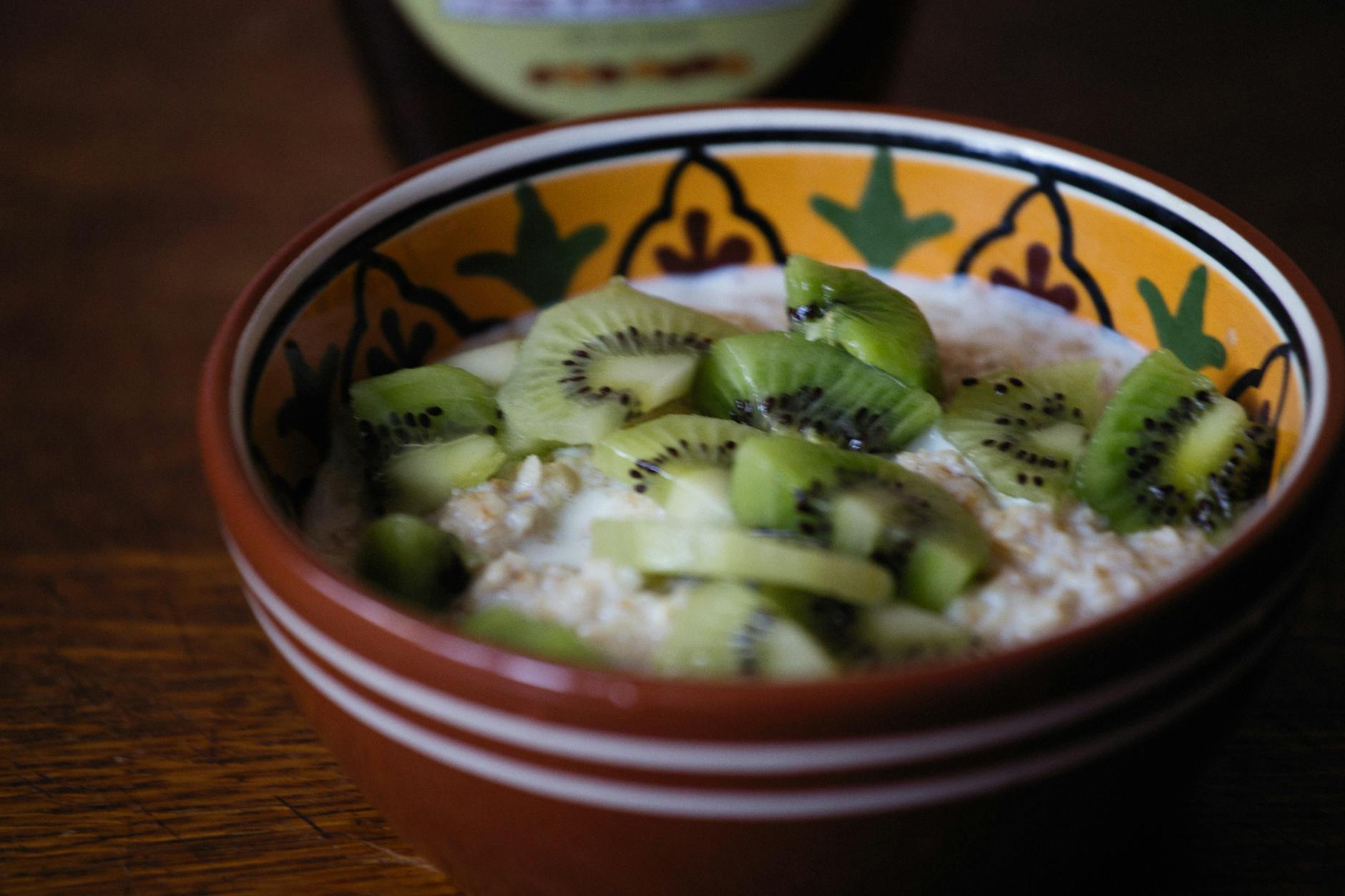
Making oatmeal a regular part of your diet doesn’t mean eating nothing but oats; rather, it means choosing oatmeal as a frequent breakfast option and potentially incorporating oat-based products into other meals. A practical approach involves preparing steel-cut oats in larger batches on weekends and storing them in the refrigerator for quick breakfasts throughout the week. Topping oatmeal with foods that offer complementary cognitive benefits—such as blueberries (rich in anthocyanins), walnuts (containing omega-3 fatty acids), and ground flaxseed (providing additional fiber and lignans)—amplifies the protective effect beyond what oatmeal alone offers. The comparison between adding oatmeal and other popular breakfast changes is instructive.
A person switching from a high-sugar breakfast cereal to oatmeal gains the fiber and nutrient benefits we’ve discussed. However, someone who simply adds oatmeal without reducing other problematic foods may not see cognitive benefits. The context matters—oatmeal works best as part of a dietary pattern that emphasizes whole foods, limits ultra-processed items, reduces added sugars, and includes adequate omega-3 fatty acids from fish or plant sources. Consistency matters more than perfection; eating oatmeal three or four mornings per week provides more sustained benefit than sporadic consumption.
Challenges and Misconceptions About Oatmeal’s Brain-Health Claims
One significant misconception is that oatmeal alone will prevent Alzheimer’s disease. The evidence supports oatmeal as one component of a risk-reduction strategy, not as a standalone preventive measure. People with genetic predispositions to early-onset Alzheimer’s or those carrying the APOE4 gene variant may experience less protective benefit from dietary changes alone. A warning worth emphasizing: anyone experiencing cognitive changes should consult with a healthcare provider rather than assuming dietary modifications will address underlying pathology.
Another challenge involves the processing of commercial oatmeal products. Many instant oatmeal packets contain added sugars and artificial flavorings that undermine the cognitive benefits of oats themselves. A 30-gram packet of flavored instant oatmeal might contain 12 grams of added sugar—equivalent to three teaspoons—which increases inflammation and can negatively impact cognitive function. Choosing plain oats and adding your own sweeteners in controlled amounts, or choosing naturally sweet toppings like berries, sidesteps this problem. Additionally, people with celiac disease or gluten sensitivity require certified gluten-free oats, as cross-contamination during processing can trigger immune responses that affect cognitive function in sensitive individuals.

Complementary Foods and Dietary Patterns for Maximum Cognitive Protection
While oatmeal offers documented benefits, brain health research increasingly shows that no single food provides protection without a supportive dietary context. The Mediterranean diet pattern—emphasizing olive oil, fish, leafy greens, whole grains, legumes, and moderate wine consumption—has consistently demonstrated stronger cognitive protection than focusing on isolated foods.
Oatmeal fits naturally into this pattern as a whole grain base, but adding salmon two or three times weekly, eating large portions of dark leafy greens, and consuming nuts and seeds provides more comprehensive neural protection than oatmeal consumption alone. For example, a person eating oatmeal for breakfast but consuming processed lunch meats and sugary snacks throughout the rest of the day receives far less cognitive benefit than someone whose entire dietary pattern emphasizes whole foods. This underscores why sustainable dietary change focused on overall pattern rather than individual food swaps produces better long-term cognitive outcomes.
Future Research Directions and Emerging Evidence
Ongoing studies are examining which specific populations benefit most from increased oatmeal consumption and whether specific oat varieties offer superior cognitive protection compared to others. Researchers are also investigating whether the beneficial compounds in oats can be extracted and delivered in higher concentrations through supplements, though evidence suggests whole oat consumption provides superior benefits compared to isolated nutrients.
Some studies are exploring optimal oatmeal consumption—determining whether one serving daily provides maximal benefit or whether three servings daily might offer additional protection. The convergence of evidence from nutritional epidemiology, cellular biology, and clinical neurology suggests that dietary interventions like oatmeal consumption will increasingly complement pharmaceutical approaches to cognitive health. Rather than viewing diet as replacing medications or supplements, a more evidence-based perspective sees dietary changes as foundational interventions that may reduce or delay the need for pharmaceutical intervention.
Conclusion
The link between oatmeal consumption and a 48 percent reduction in Alzheimer’s risk represents meaningful but not definitive evidence that dietary choices influence cognitive health. Oatmeal, particularly steel-cut and old-fashioned varieties, contains fiber and nutrients that reduce brain inflammation and oxidative stress—two processes central to Alzheimer’s disease development. However, oatmeal functions best as part of a comprehensive approach to brain health that includes social engagement, physical activity, cognitive stimulation, quality sleep, and a dietary pattern emphasizing whole foods over processed alternatives.
If you’re interested in supporting your cognitive health through dietary changes, incorporating oatmeal as a regular breakfast component while simultaneously adopting other protective measures—increasing vegetable consumption, reducing added sugars, engaging in aerobic exercise, and maintaining social connections—offers a practical, evidence-based starting point. Discuss any significant dietary changes with your healthcare provider, particularly if you have existing health conditions or take medications, as oatmeal contains compounds that may interact with certain medications. The evidence suggests that the most powerful cognitive protection comes not from any single food but from consistent, comprehensive lifestyle choices made over years and decades.
Frequently Asked Questions
How much oatmeal do I need to eat daily to get the cognitive benefits?
Research linking oatmeal to Alzheimer’s risk reduction typically involves consumption of one to two servings (approximately 40 to 80 grams) several times per week. More frequent or larger consumption may offer additional benefits, but studies haven’t identified a precise minimum or maximum threshold for cognitive protection.
Is instant oatmeal as beneficial as steel-cut or rolled oats?
Instant oatmeal that’s processed into finer particles loses some beneficial fiber during processing, though it still contains beneficial compounds. However, many instant oatmeal products contain added sugars that can increase inflammation and negate cognitive benefits. Plain instant oats offer more protection than flavored varieties, though steel-cut or old-fashioned oats remain superior choices.
Can oatmeal reverse existing cognitive decline or Alzheimer’s disease?
No. Current evidence suggests that oatmeal and similar dietary changes may reduce the risk of developing Alzheimer’s or slow cognitive decline in its early stages, but dietary interventions cannot reverse significant cognitive damage once it has occurred. Anyone experiencing cognitive symptoms should consult with a neurologist or geriatrician.
Are there people who shouldn’t eat oatmeal regularly?
People with celiac disease or gluten sensitivity require certified gluten-free oats. Those taking certain medications should consult their pharmacist, as compounds in oats may affect medication absorption. Additionally, oatmeal contains calories that contribute to total daily energy intake, so consumption should be accounted for in overall dietary planning for people managing weight or diabetes.
How does the 48 percent risk reduction compare to other dementia prevention strategies?
The 48 percent figure represents relative risk reduction in observational studies. Similar or stronger effects have been documented for physical activity, cognitive engagement, maintaining social connections, and managing cardiovascular health. Dietary changes work most effectively alongside these other protective behaviors rather than as a substitute for them.
Should I take oat-based supplements instead of eating whole oatmeal?
Evidence suggests that whole oatmeal provides superior cognitive protection compared to isolated oat extracts or supplements. The combination of fiber, nutrients, and other compounds in whole oats appears more beneficial than attempting to extract and concentrate specific components.
You Might Also Like
- wild blueberries Diet Linked to 34 Percent Lower Alzheimer’s Risk
- walnuts Diet Linked to 48 Percent Lower Alzheimer’s Risk
- turmeric Diet Linked to 25 Percent Lower Alzheimer’s Risk
For more, see Alzheimer’s Association — clinical trials.