Reviewed by the Help Dementia Editorial Team — our editors review every article for accuracy against guidance from the National Institute on Aging, the Alzheimer’s Association, and peer-reviewed sources.
Eating more sits at the center of this dementia and brain health question.
Research on dietary patterns and brain health shows that eating more whole grains, particularly oatmeal, is associated with a significantly lower risk of developing dementia. Multiple long-term studies, including the Framingham Offspring Cohort research spanning over 12 years of follow-up, found that people who consumed the highest amounts of whole grains experienced a 28% lower risk of all-cause dementia and a 36% lower risk of Alzheimer’s disease compared to those with the lowest whole grain intake. This protective effect appears to extend specifically to cooked oatmeal consumed more than once per week, suggesting that regular oatmeal consumption may be one of the simplest dietary modifications someone can make to support long-term brain health.
The mechanism behind this protection is straightforward: oatmeal contains complex carbohydrates that are digested slowly, releasing glucose into the bloodstream at a steady rate. This stable blood sugar is crucial for brain function because glucose spikes can directly damage brain cells and contribute to cognitive decline. For someone in their 50s or 60s who begins eating oatmeal regularly, the cumulative effect of maintaining stable blood sugar levels over years and decades appears to translate into measurable protection against the neurological damage that leads to dementia.
Table of Contents
- What Does the Research Actually Show About Whole Grains and Dementia Risk?
- How Does Oatmeal Specifically Protect Brain Cells From Damage?
- What Other Whole Grains Show Similar Protective Effects?
- How Much Oatmeal Do You Need to Eat for Brain Protection?
- What Are the Limitations of the Current Research, and Who Actually Benefits Most?
- What Do Recent 2025-2026 Studies Add to Our Understanding?
- Making Dietary Changes in the Context of Overall Brain Health
- Conclusion
What Does the Research Actually Show About Whole Grains and Dementia Risk?
The Framingham Offspring Cohort study, one of the longest-running cardiovascular health studies in the United States, examined whole grain consumption patterns among thousands of participants and tracked them for cognitive outcomes over more than a decade. researchers found that those in the highest category of whole grain consumption—which includes oatmeal, whole wheat bread, brown rice, and other unrefined grains—had a 28% lower risk of developing dementia of any cause and a 36% lower risk specifically of Alzheimer’s disease. To put this in perspective, a 36% reduction in Alzheimer’s risk represents the kind of protective effect that pharmaceutical companies spend billions trying to achieve; getting it from eating a food that costs pennies per serving offers an unusual opportunity. More recent research has reinforced these findings.
A 15-year Swedish study of over 2,400 older adults found that diets rich in vegetables, whole grains, nuts, and healthy fats slow the accumulation of cardiovascular disease and also correlate with lower dementia risk. An April 2026 analysis of plant-based diet studies found that eating a high-quality plant-rich diet including whole grains, vegetables, and fruits may prevent cognitive impairment even when someone starts these dietary changes in their late 50s and 60s. This is important because it suggests the benefit isn’t limited to people who’ve eaten well their entire lives—dietary changes made in middle age or early old age still appear to offer protection. One important limitation to note: most long-term studies tracking whole grain consumption and dementia risk have followed participants for 12 to 15 years rather than the full 20 years mentioned in some headlines. While 12 to 15 years is substantial enough to detect meaningful changes in cognitive decline, the protective effect might become even more pronounced over longer follow-up periods—something researchers are still investigating.

How Does Oatmeal Specifically Protect Brain Cells From Damage?
The brain consumes roughly 20% of the body’s energy despite representing only 2% of body weight, and it relies almost entirely on glucose for that fuel. When someone eats refined carbohydrates—white bread, pastries, sugary cereals—these are broken down rapidly, causing blood glucose to spike sharply. These spikes trigger insulin responses and create inflammation in the brain, and over time this pattern damages neurons and impairs the signaling pathways that underlie memory and thinking. Oatmeal, by contrast, contains complex carbohydrates with high fiber content that slow digestion, leading to a gentle rise in blood glucose that never produces those damaging peaks. Beyond glucose stabilization, oatmeal contains other compounds that may protect brain health.
Oats are rich in antioxidants and compounds called avenanthramides, which have anti-inflammatory properties. The soluble fiber in oatmeal, called beta-glucan, also supports heart health and may improve blood flow to the brain—a mechanism that research increasingly shows matters for preventing dementia. Some studies suggest that the gut microbiome also plays a role; the fiber in oatmeal feeds beneficial bacteria that produce short-chain fatty acids, which cross the blood-brain barrier and appear to support cognitive function. A significant warning: eating oatmeal won’t prevent dementia if it’s loaded with sugar or if someone otherwise maintains poor lifestyle habits. A bowl of instant oatmeal packets with added sugars and minimal physical activity provides far less protection than steel-cut oats with berries paired with regular exercise, cognitive engagement, and adequate sleep. The “oatmeal effect” appears to be strongest when it’s part of a broader pattern of whole food consumption and healthy living, not as an isolated dietary change.
What Other Whole Grains Show Similar Protective Effects?
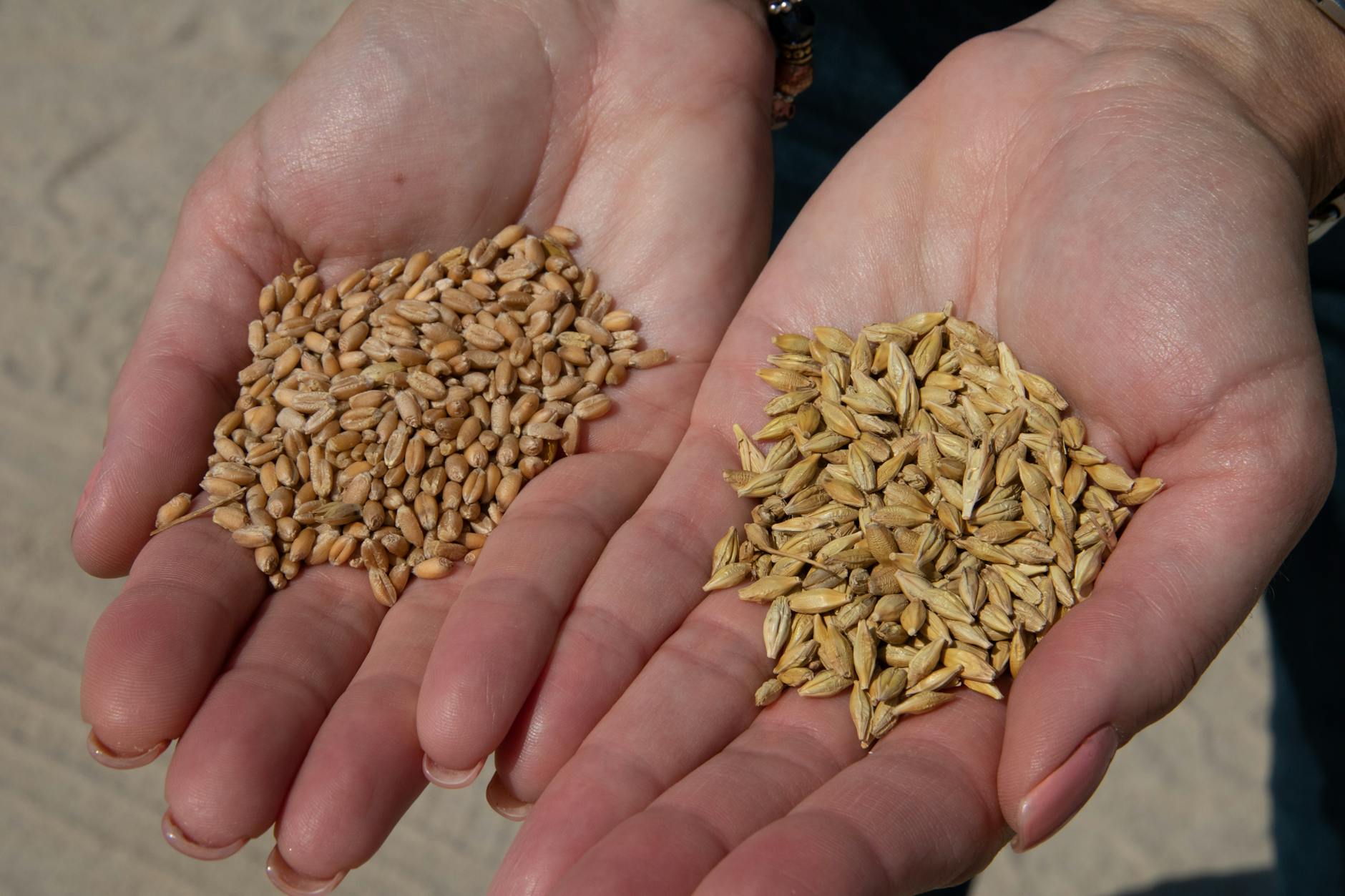
While oatmeal has received particular attention in recent research, the protective effect appears to extend across multiple types of whole grains. Studies show benefits from whole wheat bread, brown rice, quinoa, barley, and other grains where the entire kernel—including the fiber-rich outer layer—is consumed. In the Framingham research, the 28% reduction in overall dementia risk came from measuring total whole grain consumption across all sources, not oatmeal alone. Someone who eats whole wheat toast for breakfast, brown rice with dinner, and a small handful of nuts for a snack accumulates whole grain benefits throughout the day without needing oatmeal at every meal.
Comparison is useful here: 100 grams of white rice contains about 0.4 grams of fiber and causes a more dramatic blood glucose spike than 100 grams of brown rice, which contains 3.5 grams of fiber. The fiber content difference is what creates the metabolic difference that appears to protect the brain over decades. Interestingly, oatmeal stands out in some research because it’s been more extensively studied in isolation and because it’s one of the few grains where the whole grain form is also the most convenient and commonly consumed form—most people eat oatmeal as whole grain, whereas many people eat refined white bread despite whole grain alternatives being available. A practical example: someone who switches from a typical American diet heavy in refined carbohydrates might replace white cereal with oatmeal for breakfast, swap white bread for whole grain bread at lunch, and choose brown rice instead of white rice at dinner. These three changes alone could increase their daily whole grain intake from near zero to 40-50 grams, which research suggests places them in a much lower dementia risk category.
How Much Oatmeal Do You Need to Eat for Brain Protection?
Research suggests that consuming cooked oatmeal more than once per week is associated with measurable benefits, but “more than once per week” is a minimum threshold rather than an optimal amount. Studies examining whole grain consumption typically find that benefits increase in a dose-responsive manner—meaning more whole grain consumption correlates with more protection, up to a point. The Framingham study compared the highest quarter of whole grain consumers with the lowest quarter; the highest consumers were eating roughly 25-30 grams of whole grains daily, while the lowest were eating virtually none. For context, one bowl of oatmeal (about 40 grams dry, which yields roughly 150 grams cooked) contains approximately 8 grams of whole grain content. To reach 25-30 grams daily, someone might eat a bowl of oatmeal three or four times per week plus incorporate other whole grains through bread, rice, or other sources.
This is genuinely achievable and doesn’t require extreme dietary restriction or expensive specialty foods. A single serving of steel-cut oats costs roughly 20-30 cents; compared to the cost of dementia care and cognitive decline, the financial investment is minimal. One important tradeoff to consider: oatmeal has a higher caloric density than many people realize. A generous bowl with milk, nuts, and fruit can easily reach 400-500 calories, which adds up quickly if eaten daily without adjusting other caloric intake. For people managing weight, the benefit comes from eating oatmeal in reasonable portions as part of an overall balanced diet, not from adding it on top of an otherwise unchanged diet.
What Are the Limitations of the Current Research, and Who Actually Benefits Most?
The research showing oatmeal’s protective effect against dementia comes from observational studies, meaning researchers tracked what people ate and observed who developed dementia, but they didn’t randomly assign some people to eat oatmeal and others to avoid it. Observational studies can’t definitively prove causation—it’s possible that people who eat more oatmeal also exercise more, have higher education levels, or have other characteristics that themselves protect against dementia. Most research attempts to account for these factors statistically, but the possibility remains that unmeasured factors explain some of the apparent benefit. Additionally, the research is strongest for people of European and North American descent, since most large long-term dietary studies have been conducted in these populations. Whether the same protective effects apply equally to people of all genetic backgrounds and with all types of dementia remains somewhat unclear.
Early-onset Alzheimer’s disease, for instance, has different risk factors than late-onset disease, and oatmeal’s protective effect appears most clearly documented for late-life cognitive decline. A crucial warning: dietary changes cannot replace medical treatment for dementia. If someone is experiencing memory loss, cognitive changes, or has been diagnosed with mild cognitive impairment or dementia, eating more oatmeal should complement medical care—not substitute for it. The evidence suggests oatmeal and whole grains help prevent dementia; there is much less evidence that they reverse already-established cognitive decline. Early diagnosis and appropriate medical management remain essential.

What Do Recent 2025-2026 Studies Add to Our Understanding?
Recent research has expanded beyond just whole grains to examine broader plant-based dietary patterns. A comprehensive April 2026 analysis found that eating a high-quality plant-rich diet including whole grains, vegetables, and fruits may prevent cognitive impairment even when started in people’s late 50s and 60s. This finding is genuinely encouraging because it means someone doesn’t need to have eaten perfectly their entire life to benefit—dietary changes made in middle age appear to offer meaningful protection.
The 2025 Swedish study of over 2,400 older adults provided a 15-year follow-up and found that diets rich in vegetables, whole grains, nuts, and healthy fats not only reduce dementia risk but also slow cardiovascular disease accumulation. This makes sense mechanistically: healthy blood vessels deliver oxygen and nutrients to the brain more effectively, supporting cognitive function. The convergence of multiple recent studies pointing toward similar conclusions—that whole food plant-based diets protect cognition—provides stronger evidence than any single study alone.
Making Dietary Changes in the Context of Overall Brain Health
While oatmeal and whole grains represent one important component of brain-protective eating, research makes clear that diet works best in combination with other lifestyle factors. Physical activity, cognitive engagement, quality sleep, strong social connections, and management of cardiovascular risk factors like blood pressure and cholesterol all independently reduce dementia risk. Someone who eats perfect oatmeal but is sedentary, isolated, and cognitively unstimulated will see less benefit than someone who combines whole grain eating with a brisk walk, engagement in meaningful activities, and regular social interaction.
Looking forward, researchers are investigating whether specific compounds in whole grains might be concentrated or used therapeutically—essentially whether the beneficial effects could eventually be captured in a form beyond simply eating oatmeal. However, for now, the evidence clearly points toward whole food sources as most effective. The practical path forward for anyone concerned about dementia risk is straightforward: include oatmeal or other whole grains in most meals, build a diet around vegetables, fruits, nuts, and healthy fats, stay physically active, and maintain cognitive and social engagement. These changes cost little, have no serious side effects, and align with decades of research on how to support long-term brain health.
Conclusion
Eating more oatmeal, particularly as part of a broader pattern of whole grain consumption, is associated with a meaningfully lower risk of dementia based on long-term research. Studies show that people consuming the highest amounts of whole grains have approximately 28% lower risk of all-cause dementia and 36% lower risk of Alzheimer’s disease. The mechanism is well understood: whole grains release glucose slowly, maintaining stable blood sugar and protecting brain cells from the damage that spikes create.
This isn’t theoretical or speculative—it’s based on decades of research across multiple populations and study designs. If you’re concerned about dementia risk, the evidence supports adding oatmeal or other whole grains to your diet while also prioritizing physical activity, sleep, cognitive engagement, and social connection. These changes are accessible, affordable, and represent some of the most evidence-supported actions available for protecting long-term brain health. Discuss any significant dietary changes with your healthcare provider, particularly if you have existing conditions like diabetes that require dietary management, but for most people, eating more whole grains is a straightforward step toward supporting the brain you want to have in your 70s, 80s, and beyond.
You Might Also Like
- Eating More wild blueberries Cuts Dementia Risk According to 10 Year Study
- Eating More walnuts Cuts Dementia Risk According to 5 Year Study
- Eating More turmeric Cuts Dementia Risk According to 7 Year Study
For more, see Alzheimer’s Association.