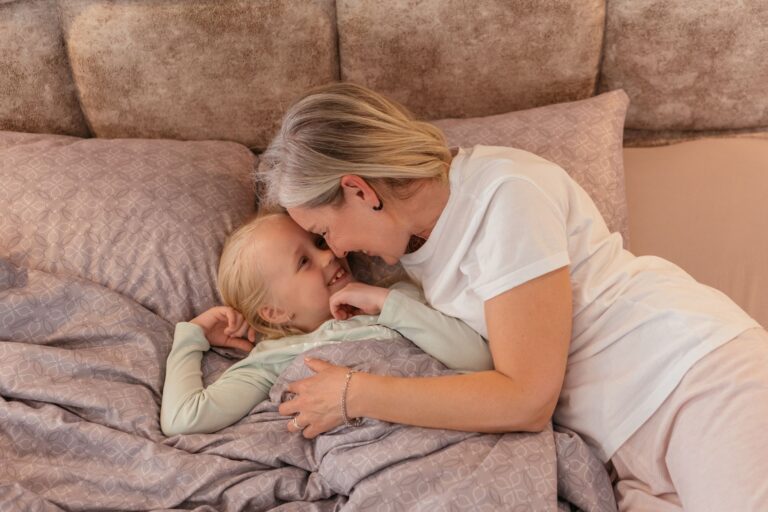
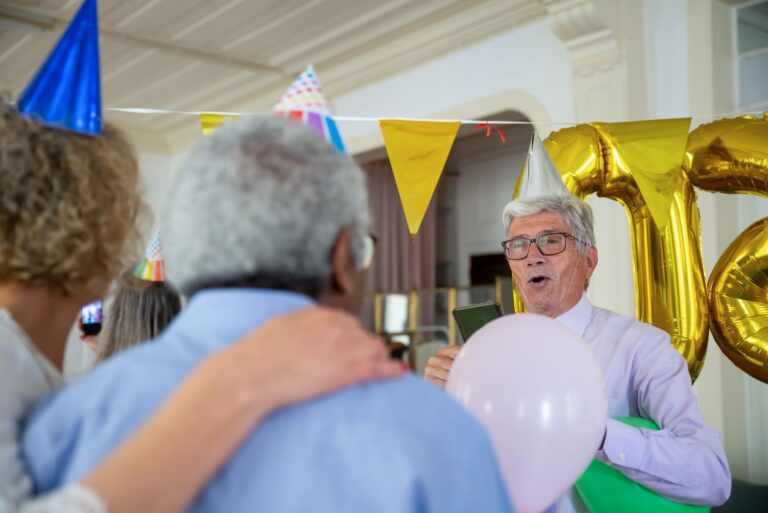
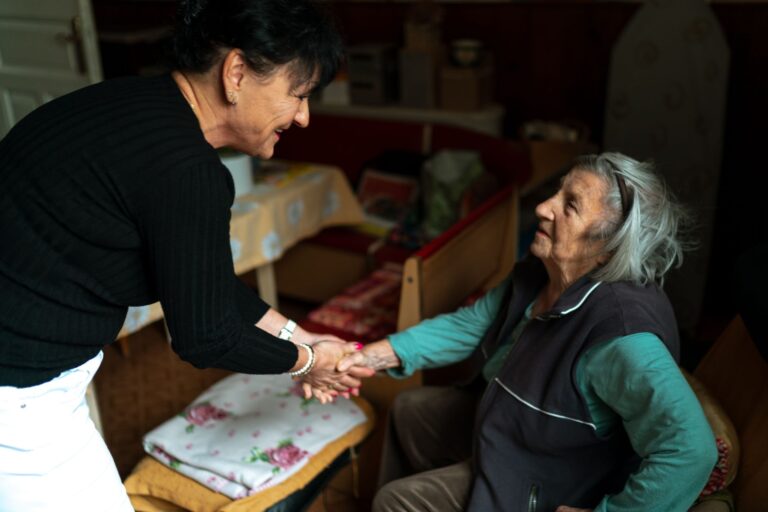
A laugh at a familiar family joke can be a meaningful moment of connection in Alzheimer's care. It matters because shared enjoyment can support dignity and closeness, even when memory and conversation have become difficult. Alzheimer's is a progressive brain disease that affects memory, thinking, behavior, and eventually daily tasks, according to the National Institute on Aging. One successful joke does not show how much cognition remains or whether the disease has changed.
Medical information disclaimer: This article is for general educational purposes only and does not provide medical advice, diagnosis, or treatment. Always consult a physician or other qualified health professional about symptoms, medications, tests, or treatment decisions.
Table of Contents
- What does the laugh tell you?
- How can you invite more moments like it?
- What if the joke no longer works?
- Keep expectations grounded in evidence
What does the laugh tell you?
Treat the laugh as a sign of engagement in that moment. The person may be responding to the words, your expression, your tone, the familiar routine, or some combination of them. You do not need to determine exactly what the person remembered.
Asking, "Do you remember who first told that joke?" can turn an easy exchange into a memory test. Instead, stay with the pleasant response. Smile, acknowledge the fun, or continue the conversation without demanding an explanation. The value lies in sharing the moment, not proving why it happened.
How can you invite more moments like it?
Use familiar material that fits the person's tastes and history. Possibilities include a gentle family joke, a favorite saying, a photograph, music, or a story the person has long enjoyed.
The National Institute on Aging recommends a warm tone, eye contact, patience, two-way conversation when possible, and attention to nonverbal communication in its guidance for communicating with someone who has Alzheimer's. A simple approach can help:.
- Choose a calm time with few distractions.
- Tell the joke naturally, without announcing a memory test.
- Pause long enough for a verbal or nonverbal response.
- Follow the person's reaction rather than pushing for the response you expected.
- Repeat the activity later only if it continues to seem welcome.
What if the joke no longer works?
A blank look does not erase the relationship or mean you did something wrong. Alzheimer's is progressive, and a person's responses can vary. A joke that succeeds one day may confuse or irritate the person another day. Watch the person rather than the script.
If they look tense, embarrassed, or lost, stop explaining the punchline. Shift to something simpler, such as sitting quietly, listening to music, or making a warm observation about the room. Also consider whether the humor itself is respectful. Avoid jokes about memory mistakes, dependence, toileting, confusion, or other vulnerabilities. The person should be included in the enjoyment, not made into its subject.
Keep expectations grounded in evidence
Enjoyable activities can still be worthwhile when they do not change Alzheimer's itself. In a 250-pair randomized trial, tailored activities did not reduce agitation, but they reduced assistance needed with daily activities and improved caregiver well-being and confidence after three months; the activities were well tolerated, according to the peer-reviewed study. Reminiscence means using prompts such as photographs or music to encourage engagement with past experiences.
A Cochrane review of 22 studies involving 1,972 people found small, inconsistent effects and no important immediate improvement in overall quality of life based on moderate-quality evidence. The review shows why one warm response should not be presented as proof that an activity preserves cognition or slows Alzheimer's. Small moments therefore need modest goals: comfort, enjoyment, participation, or connection right now. Notice which jokes, songs, photographs, and conversation styles receive a comfortable response, and share that short list with other family members and caregivers.