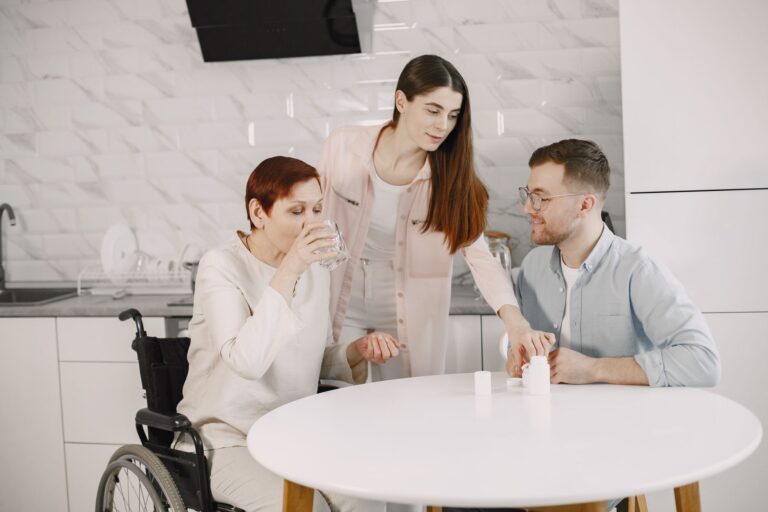
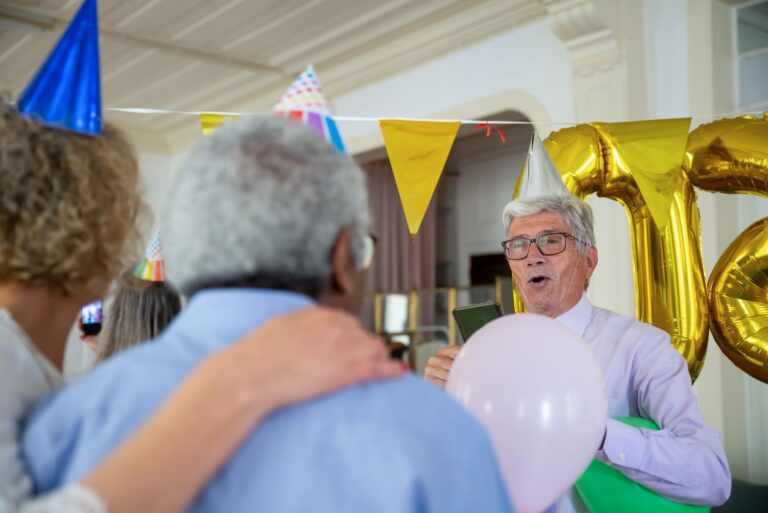
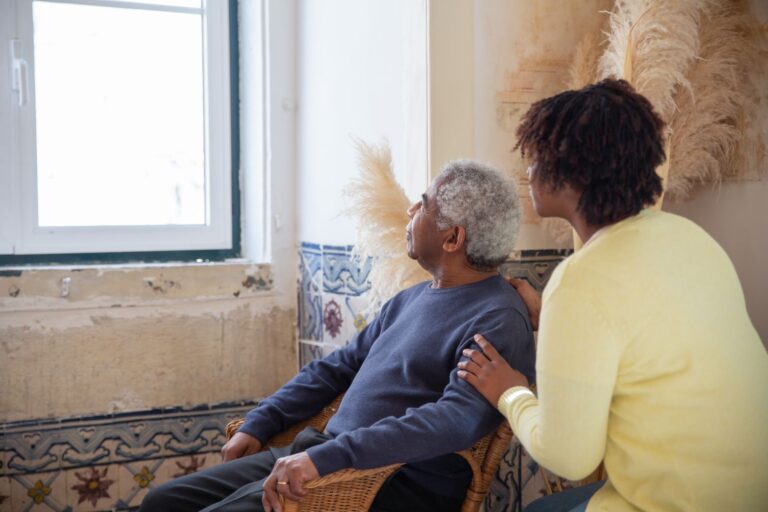
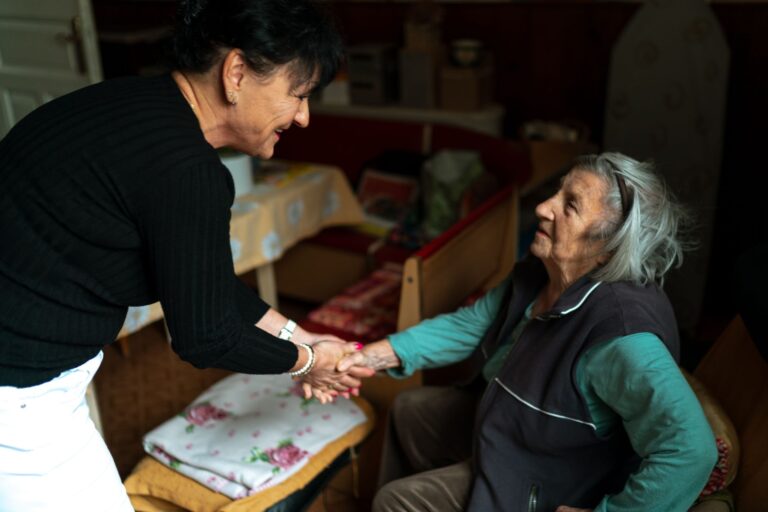
Favorite family photographs can help families sustain conversation and connection as Alzheimer's changes memory and language. They work best as gentle prompts, not tests of whether someone remembers a name, place, or event. A photograph may invite a comment, a smile, or quiet attention. The goal is meaningful time together, even when the person cannot explain the memory in words.
Medical information disclaimer: This article is for general educational purposes only and does not provide medical advice, diagnosis, or treatment. Always consult a physician or other qualified health professional about symptoms, medications, tests, or treatment decisions.
Table of Contents
- Why photographs may help communication
- Which photographs should families choose?
- How to share photographs without giving a memory test
- What can photographs realistically accomplish?
Why photographs may help communication
Alzheimer's progressively damages memory, thinking, language, and social-behavior functions. It first affects memory-related areas, then areas involved in language and reasoning, according to the National Institute on Aging's Alzheimer's overview. These changes can make ordinary conversation difficult. A person may forget names, struggle to find familiar words, or lose details from old memories.
A photograph gives both people something concrete to notice and discuss. Family photographs paired with brief biographical notes are called memory aids. A systematic review found the strongest communication support when caregivers received training in using these aids, although the studies had important limitations. The review describes the evidence and its methodological weaknesses.
Which photographs should families choose?
Start with a small, manageable collection rather than a crowded album. Choose images that are easy to see and offer a simple conversational opening.
Useful possibilities include: Add short labels when helpful: "Maria and Ben at the lake" or "Dad's garden, 1988." A label supplies context without requiring the person to retrieve every detail. Follow the person's response rather than the family's idea of which memory should matter most. A seemingly ordinary photograph may hold attention longer than a formal portrait.
- A wedding, birthday, holiday, or family meal
- A familiar home, neighborhood, workplace, or vacation spot
- A beloved relative, friend, or pet
- A hobby, vehicle, uniform, garden, or treasured object
- Several pictures from one period of life
How to share photographs without giving a memory test
Sit where the person can see your face and the photograph. Allow extra response time, keep questions simple, and offer information freely instead of demanding an answer. Try comments and choices such as: Avoid questions such as "Don't you remember?" or "Who is this?" The National Institute on Aging's communication guidance specifically advises families not to quiz the person and recommends eye contact, extra response time, and simple or yes-or-no questions.
Accept whatever form the interaction takes. Naming every person is not required; looking together can be the activity. If the person turns away, resists, or becomes upset, put the photograph aside and try another activity.
- "This is your sister, Rosa."
- "You both look happy here."
- "Was this near your old house?"
- "Do you like this picture?"
- "Would you rather see the beach photo or the garden photo?"
What can photographs realistically accomplish?
Using pictures, objects, music, or videos to discuss past experiences is known as reminiscence therapy. It is a non-drug intervention, not an FDA-approved Alzheimer's treatment. A Cochrane review of 22 randomized trials involving 1,972 people found small, setting-dependent communication benefits.
Group and community programs showed the clearest signal, while results from individual and care-home approaches remained uncertain. Cochrane also found no consistent improvement in daily function, agitation, relationships, or family-caregiver outcomes. Families should therefore treat photographs as communication tools, not as a way to restore lost memory or measure decline. Keep sessions brief, notice which pictures invite engagement, and stop before the activity becomes tiring or frustrating.