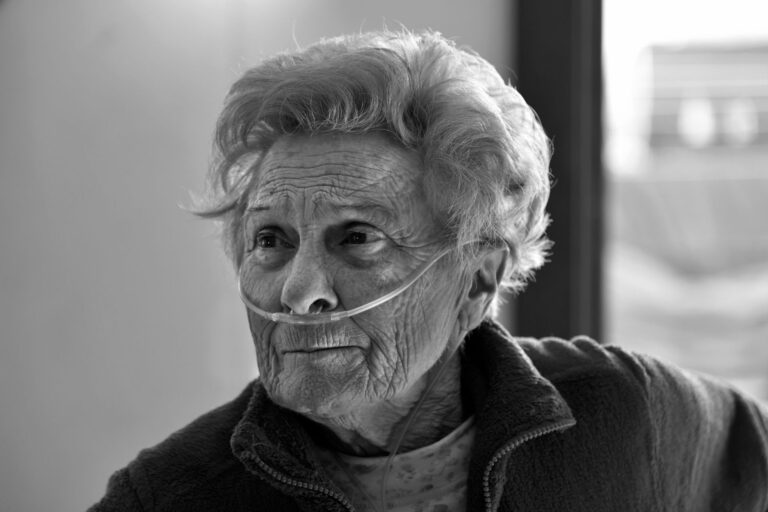
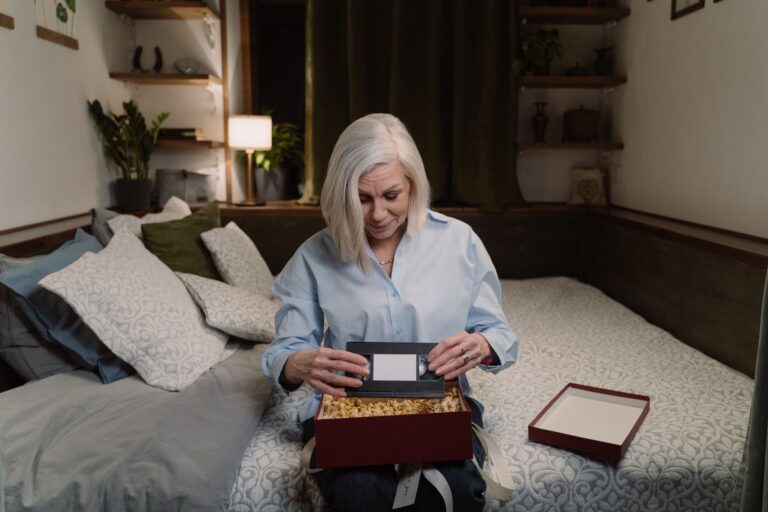
Notes left on the fridge can help a person with Alzheimer's disease follow a familiar routine, and they may later become keepsakes of shared family life. They support communication but cannot restore memory, treat the disease, or guarantee independence. Alzheimer's is a progressive brain disorder that damages memory and thinking enough to disrupt daily life. As communication changes, a familiar note can sometimes preserve reassurance, humor, affection, or a sense of connection when conversation becomes harder.
Medical information disclaimer: This article is for general educational purposes only and does not provide medical advice, diagnosis, or treatment. Always consult a physician or other qualified health professional about symptoms, medications, tests, or treatment decisions.
Table of Contents
- Why does communication change?
- What can a written note actually do?
- How should families write helpful notes?
- How can notes become family keepsakes?
- What if notes no longer help?
Why does communication change?
Alzheimer's first damages memory networks, then affects areas involved in language, reasoning, and social behavior. A person may struggle to find words, understand speech, organize thoughts, or stay with a conversation. Background noise can add to the difficulty.
A television, several speakers, or a rushed question may overwhelm someone who communicates more easily in a calm setting. These changes come from the disease. They are not proof that the person has stopped caring, is refusing to listen, or has nothing to communicate. Facial expressions, gestures, tone, and touch may carry more meaning as speech declines.
What can a written note actually do?
A note can turn spoken information into something the person can revisit. The Alzheimer's Association says written notes may help when spoken words become confusing, especially during earlier stages. Useful notes usually address one immediate need. "Lunch is in the refrigerator" is easier to follow than a page describing the afternoon schedule.
A note saying "Anna will visit after lunch" may also reduce the need to remember a longer conversation. Research does not show that memory aids broadly improve life with dementia. A systematic review found that aids paired with caregiver training were among the more promising communication approaches, but the studies were small and the evidence was limited. A later trial involving 468 people with mild-to-moderate dementia found no improvement in daily functioning, cognition, quality of life, or caregiver outcomes after six months. In other words, memory aids did not outperform usual care on those broader measures, even though an individual note may still help with a specific moment.
How should families write helpful notes?
Start with the person's current abilities rather than a complicated labeling system. Use familiar words, large clear writing, and one message at a time. Place the note where the information becomes relevant. Practical examples include: Avoid notes that scold, test memory, or list several steps.
"You already asked me this" records frustration without helping the person understand what happens next. A calm answer such as "The appointment is Tuesday; I am going with you" gives usable information. Check whether the note produces the intended result. If it causes worry, repeated checking, or confusion, shorten it, move it, add a simple visual cue, or stop using it.
- "Good morning, Dad. Your blue shirt is on the chair."
- "Please take this letter to the mailbox."
- "Mary is shopping. She will be home after lunch."
- "Would you like tea or juice?"
- "I love you. I'll see you tomorrow."
How can notes become family keepsakes?
Families may value ordinary notes because they hold the texture of daily life: a nickname, a familiar sign-off, a grocery reminder, or the same joke written for years. Their importance comes from the relationship attached to them, not from their usefulness as medical records. When a note feels worth keeping, add context without changing the original. Record who wrote it, the approximate date, where it was placed, and what was happening in the family.
A photograph can preserve a note that must remain in daily use or is too fragile to store. Choose keepsakes with dignity in mind. Preserve notes that reflect affection, personality, or shared routines, while treating messages about hygiene, medication, distress, or private behavior as sensitive. If the person can express a preference, ask before sharing their writing with others.
What if notes no longer help?
As Alzheimer's progresses, written language may become as difficult to interpret as speech. A person may ignore a note, misunderstand it, remove it, or become distressed by a message that once offered reassurance. Shift toward shorter spoken phrases, concrete choices, gestures, facial expression, and a quiet setting.
Allow extra response time, and continue speaking directly to the person rather than discussing them as though they are absent. The National Institute on Aging offers a fuller guide to communicating with someone who has Alzheimer's. Retire a note when it repeatedly fails or causes distress. The most useful communication aid is the one the person can understand now, even when that means replacing a written reminder with a smile, a gesture, or one calm sentence.