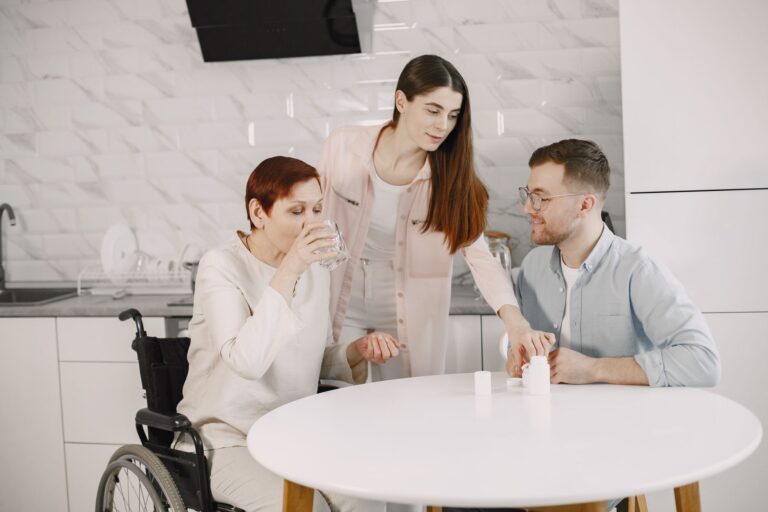
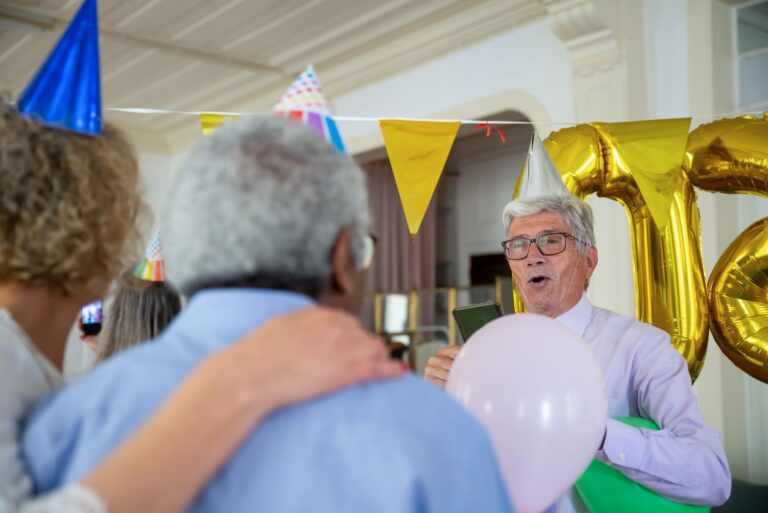
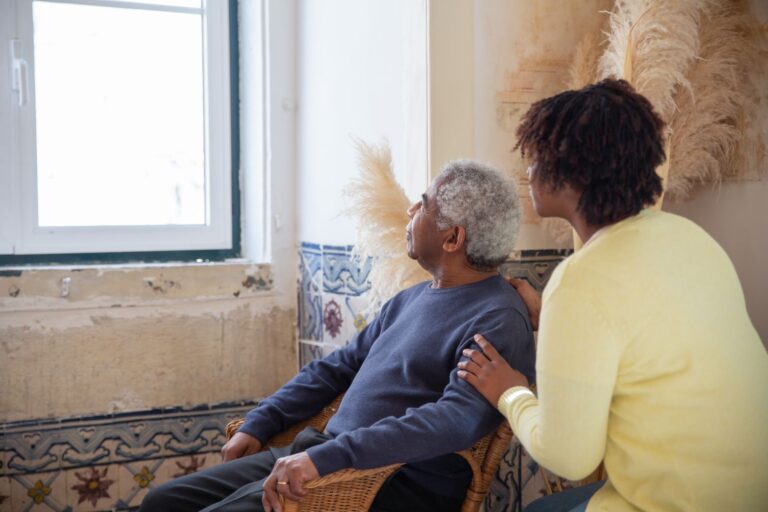
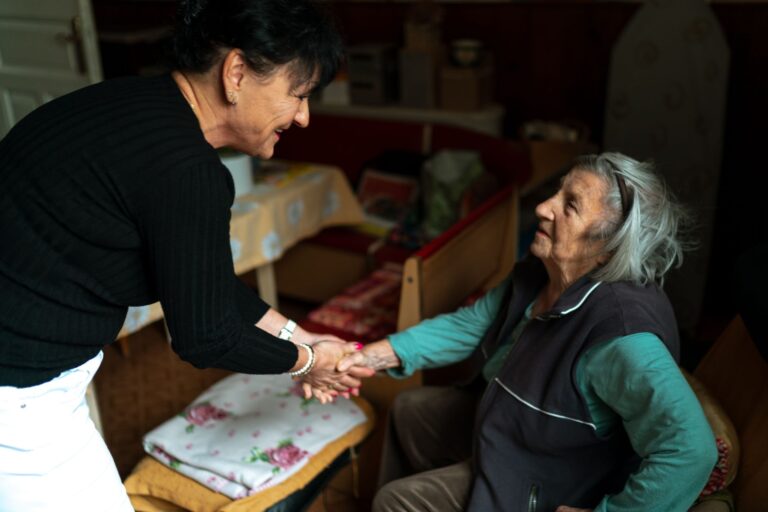
Dancing with a spouse at home can matter in Alzheimer's care because it creates a brief, familiar way to connect and participate. Its value is personal and practical—not proof that dancing treats Alzheimer's, slows the disease, or reliably controls symptoms. Alzheimer's disease is a progressive, irreversible brain disorder that affects memory, thinking, language, and eventually daily functioning. It is not normal aging, according to the FDA's Alzheimer's overview.
Medical information disclaimer: This article is for general educational purposes only and does not provide medical advice, diagnosis, or treatment. Always consult a physician or other qualified health professional about symptoms, medications, tests, or treatment decisions.
Table of Contents
- Why home moments deserve attention
- How to make dancing approachable
- What does the research actually show?
- When is dancing unsafe?
Why home moments deserve attention
Most dementia care happens through ordinary interactions rather than formal programs. About 80% of U.S. adults with Alzheimer's or related dementias receive care at home, and more than 11 million adults provide unpaid dementia care, according to the CDC's caregiving data.
A shared dance can turn part of that daily care into an invitation rather than another task. A spouse might play a familiar song, offer a hand, sway beside a chair, or simply sit and listen together. The aim is engagement during the moment, not correct steps or later recall. Watching, tapping a hand, or smiling at the music can be valid participation.
How to make dancing approachable
The National Institute on Aging includes familiar music, singing, and dancing among activities people can try at home. Its activity-adaptation guidance recommends matching the activity to remaining abilities, helping the person begin, watching for frustration, and allowing them simply to observe.
keep the invitation short and low-pressure: Follow the person's response rather than completing the song. A shortened or modified dance is not a failed activity.
- Choose a familiar song and start with one brief attempt.
- Offer one simple motion, such as swaying or tapping hands.
- Demonstrate the movement instead of giving several instructions.
- Try seated movement if standing would be demanding.
- Let the person watch without urging them to join.
What does the research actually show?
The strongest directly relevant study did not test spouse dancing by itself. The 2023 HOMESIDE trial assigned 432 community-dwelling dementia–caregiver pairs in five countries to caregiver-led music, reading, or usual care for 90 days. Trained family caregivers used a music program that combined listening, singing, movement to music, and instruments. Because the program bundled several activities and was not limited to spouses, researchers could not isolate the effect of dancing with a husband or wife.
The published HOMESIDE trial found no statistically significant or clinically important reduction in persistent behavioral or psychological symptoms at 90 days compared with usual care. The mean difference was −0.15, with a 95% confidence interval from −1.41 to 1.10 and a p-value of .81; investigators reported no related adverse events. That result does not erase the possible enjoyment of a shared dance. It does mean families should not expect or advertise dancing as a proven treatment, symptom-control method, or way to change the disease's course.
When is dancing unsafe?
Alzheimer's can affect depth perception and raise the risk of falling. Before standing, clear tripping hazards and consider whether the person can rise, turn, and balance without unsafe physical support. Choose seated swaying, hand movements, or listening when standing seems uncertain.
End the activity immediately if the person becomes unsteady, distressed, confused, or unusually tired. Dancing or music at home is not an FDA-approved Alzheimer's treatment and should not replace medical care. FDA-approved medicines exist for specified uses, but no cure exists; ask a clinician or physical therapist for guidance when mobility or balance is limited.