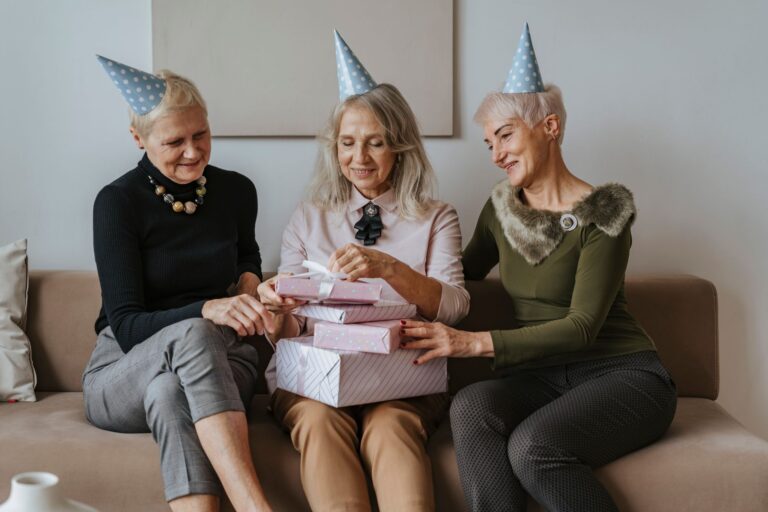
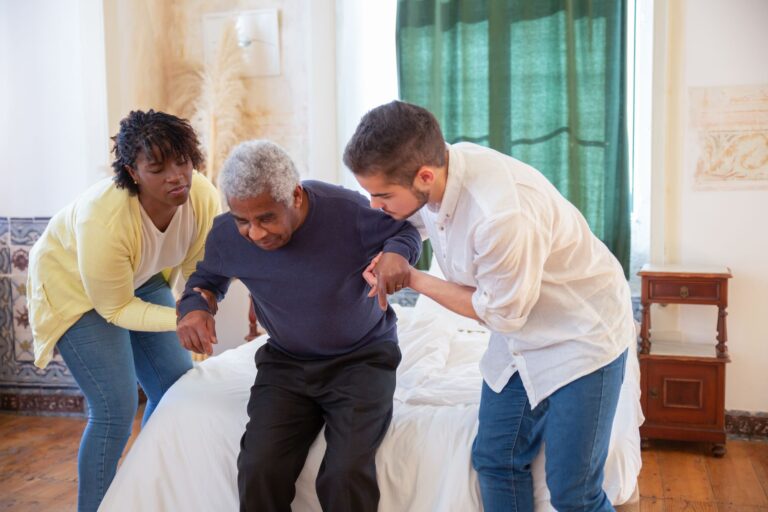
A quiet birthday matters in Alzheimer's care because it puts the person's comfort, abilities, and enjoyment ahead of party expectations. Alzheimer's is a progressive brain disorder that slowly destroys memory and thinking skills, so small, familiar moments may feel more manageable than a conventional celebration, according to the National Institute on Aging.
The goal is not to produce a perfect day or a lasting memory. It is to create a comfortable experience in the present. A quiet birthday is not a treatment, and there is no evidence that one celebration changes the disease's progression.
Medical information disclaimer: This article is for general educational purposes only and does not provide medical advice, diagnosis, or treatment. Always consult a physician or other qualified health professional about symptoms, medications, tests, or treatment decisions.
Table of Contents
- What makes a birthday person-centered?
- How can families plan a calm celebration?
- What if the person does not remember the birthday?
- What does the evidence actually show?
- The caregiver's experience matters too
What makes a birthday person-centered?
A person-centered birthday reflects what the individual enjoys and can comfortably do now. Past traditions can offer clues, but they should not become obligations. Someone who once loved large parties may now prefer one visitor, a familiar song, or a favorite dessert. The National Institute on Aging advises matching activities to the person's current abilities, preferences, and tolerance for frustration.
Success and enjoyment matter more than completing an activity in the expected way, as explained in its guide to adapting activities and visits. Watch the person rather than the clock. Relaxed posture, interest, conversation, humming, or accepting food may signal enjoyment. Restlessness, withdrawal, repeated requests to leave, or visible frustration suggest that the activity should end or become simpler.
How can families plan a calm celebration?
Start with the person's usual routine. Choose a familiar place and a time of day when the person is generally comfortable.
Avoid turning the birthday into an unfamiliar outing simply because that was once the family tradition. Build the celebration around one or two recognizable pleasures: Visitors can also stagger their arrival times. This reduces simultaneous conversation and gives the person space to focus on one voice or activity.
- Invite one or two familiar people instead of a crowd.
- Play well-known music at a comfortable volume.
- Look at a few photographs without testing names or dates.
- Serve a favorite food in a familiar form.
- Keep a quiet room available for rest.
What if the person does not remember the birthday?
remembering the occasion is not required for it to have value. The person may enjoy companionship, music, food, or gentle attention even if they cannot later describe the visit.
Avoid questions that turn the celebration into a memory test, such as "Do you know what day it is?" or "Who gave you this?" Offer information instead: "It's your birthday, and I brought the cake you like." If recognition is uncertain, introduce people calmly and without embarrassment. A brief visit can still be successful if it produces a few comfortable minutes. The experience does not become meaningless because the details fade.
What does the evidence actually show?
Research offers limited support for engaging, structured activities—not proof that a birthday celebration slows Alzheimer's. A 2023 Cochrane review of 37 randomized controlled trials involving 2,766 people with mild or moderate dementia found small short-term cognitive benefits and slight quality-of-life benefits from structured cognitive stimulation. However, the studies varied substantially, the evidence was moderate quality, and the long-term clinical importance remains uncertain, according to Cochrane's evidence review.
Cognitive stimulation usually involves planned, repeated activities rather than a single social occasion. It would therefore be inaccurate to claim that a quiet birthday protects memory or alters disease progression. The stronger reason for celebrating is immediate and practical: the occasion can offer comfort, connection, and enjoyment in a form the person can tolerate. Those outcomes are worthwhile without presenting them as medical treatment.
The caregiver's experience matters too
A celebration should fit the caregiver's capacity as well as the person's needs. About 80% of adults with Alzheimer's disease or related dementias receive care at home, and caregivers face increased risks of anxiety, depression, and poorer quality of life, according to the Centers for Disease Control and Prevention. Caregivers do not need to cook, decorate, host relatives, and manage every tradition.
Store-bought food, a short video call, or ten minutes of music can be enough. Ask another person to handle cleanup, communicate the visitor schedule, or sit with the person during a quiet break. If the celebration begins to drain either person, shorten it without apology. Put away the candles, save the remaining cake, and return to the familiar routine.