Families preserve birthday cards and similar keepsakes through systematic documentation and emotional capture during the early stage of Alzheimer's disease, before cognitive decline makes those memories inaccessible. This involves creating memory journals with photos and mementos, recording the person's stories while they can participate, and capturing both the written words and the emotional moments that surround these beloved objects. Alzheimer's disease affects about 7.4 million Americans age 65 and older and progresses in ways that make the timing of preservation critical. Acting during early stages creates a lasting gift for both the person living with the disease and future generations of their family.
Medical information disclaimer: This article is for general educational purposes only and does not provide medical advice, diagnosis, or treatment. Always consult a physician or other qualified health professional about symptoms, medications, tests, or treatment decisions.
Table of Contents
- How Alzheimer's Changes the Role of Familiar Objects
- The Critical Window for Preservation
- What Preservation Actually Looks Like
- Why This Preservation Matters Beyond the Individual
- Starting the Work Now, Even If Diagnosis Is Recent
- Frequently Asked Questions
How Alzheimer's Changes the Role of Familiar Objects
Alzheimer's disease first attacks short-term memory while older, long-term memories often remain accessible for much longer—meaning someone may forget what they ate yesterday but recall the person who sent a birthday card decades ago. Birthday cards and handmade notes sent to people in early-stage Alzheimer's often become their most prized possessions, providing comfort and reinforcing that they are remembered during cognitive decline.
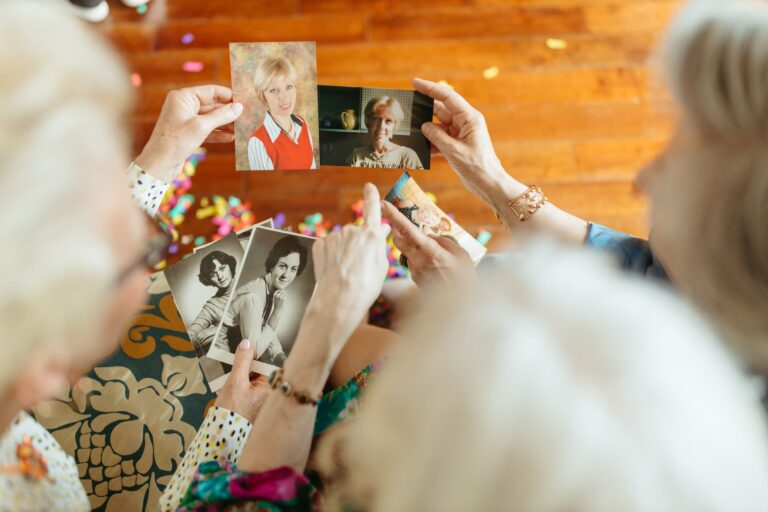
Reminiscence therapy—using sentimental objects like photos, cards, and family mementos to trigger memories—is evidence-based for Alzheimer's care and improves mood, reduces depression and stress, and increases self-worth in individuals with dementia. This means that preserving birthday cards is not merely sentimental; it becomes an active treatment tool that caregivers can use throughout the disease's progression.
The Critical Window for Preservation
Families are recommended to document and preserve memories while their loved one is in the early stage, before disease progression. This is when the person can still tell their own stories, explain why a card matters, and participate meaningfully in recording family history.
Waiting until later stages means losing the person's own voice and the context that makes these objects precious. A key limitation is that while sentimental objects trigger older memories in early to mid-stage disease, severe late-stage Alzheimer's may eventually restrict access to those memories. This makes early action essential—not optional—for families who want to preserve these connections.
What Preservation Actually Looks Like
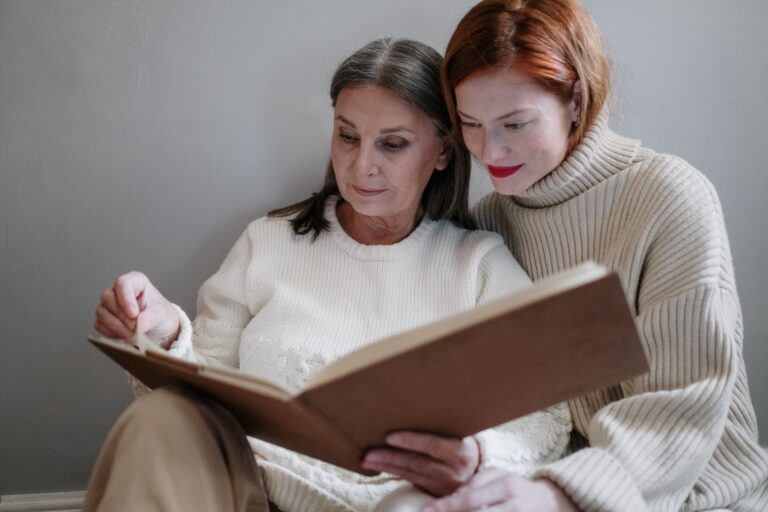
Structured interviews, memory journals with photos and mementos, and even visits to meaningful places can capture stories while the person can still participate actively. Families can create a dedicated notebook pairing birthday cards with handwritten notes about who sent each one, what it meant, and what memories it evokes.
Recording audio or video of the person reading aloud a favorite card and sharing the story behind it captures both the written message and their own voice—which becomes irreplaceable over time. Digital archiving specialists recommend capturing both the stories and the emotional, non-verbal interactions around memory-triggering objects like birthday cards, as these interactions often communicate meaningful connections when verbal memory fails. A photograph of a parent holding a beloved card while smiling or tearing up conveys something that words alone cannot preserve.
Why This Preservation Matters Beyond the Individual
Memory preservation efforts serve dual purposes: they create a therapeutic family activity and produce a lasting record of the person's life and identity that can be shared with future generations, even after significant memory loss occurs. For the person living with Alzheimer's, reviewing these preserved memories—the card, the story, the photo—provides comfort, connection, and a reminder of love in a time when new memories may fade quickly. For their children and grandchildren, these records become the family's most honest account of who this person was, what they valued, and how they showed love across decades.
Starting the Work Now, Even If Diagnosis Is Recent
The earlier preservation begins after diagnosis, the better the outcome. A family member in early-stage Alzheimer's can still choose which cards matter most, explain their own memories, and participate in the recording process. Even one dedicated afternoon of gathering cards, photographing them, and recording stories creates a resource that caregivers will use repeatedly in the months and years ahead.
Frequently Asked Questions
Is it too late to preserve memories if someone is already in middle-stage Alzheimer's?
Early preservation works best, but even in middle stages, gathering cards and creating a visual record with photos and recorded family stories can still provide comfort and connection during daily care. The person may not be able to tell their own stories, but their reactions to the cards—smiles, tears, hand-holding—remain therapeutically valuable.
How do I organize preserved birthday cards so family members can actually use them?
Create a dedicated binder or digital folder pairing each card with a photograph of it, the sender's name and relationship, the year it arrived, and a one-paragraph note about what the person said when they read it or why it mattered to them. Include audio or video files if you recorded the person's voice. Label the folder clearly so other family members know where to find it when visiting or providing care.
Can reminiscence activities with preserved cards actually change behavior or mood?
Yes. Research shows that reviewing sentimental objects and the stories attached to them reduces depression, anxiety, and agitation, and can improve mood and increase self-worth in people with Alzheimer's. Many caregivers report that reviewing a beloved card calms a person who is otherwise distressed or confused.