How to Simplify Life Story Books for Late-Stage Dementia
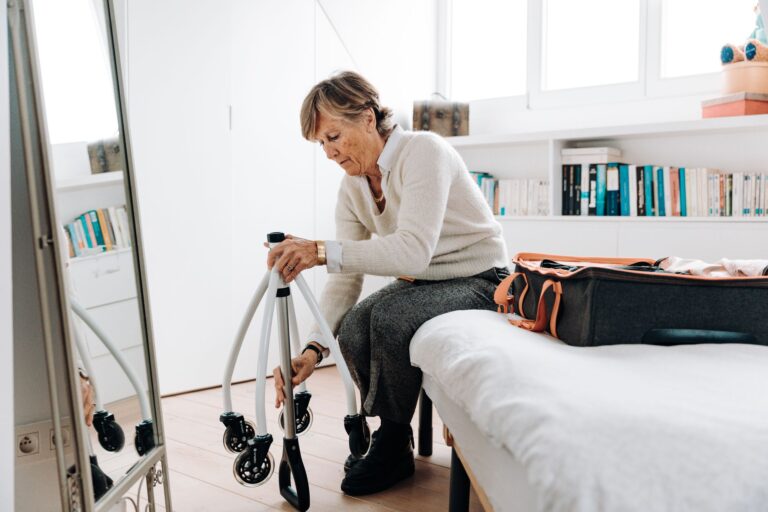
Learn how to turn a life story book into a brief, calming shared activity with fewer images, clear labels, and sensory comfort.
Learn how to turn a life story book into a brief, calming shared activity with fewer images, clear labels, and sensory comfort.

How to build a photo-first life story book that still reaches someone in late-stage dementia, with formats care staff will actually use.

Engagement in late-stage dementia appears through facial expressions and vocalizations during life story work, though research for this population remains sparse.
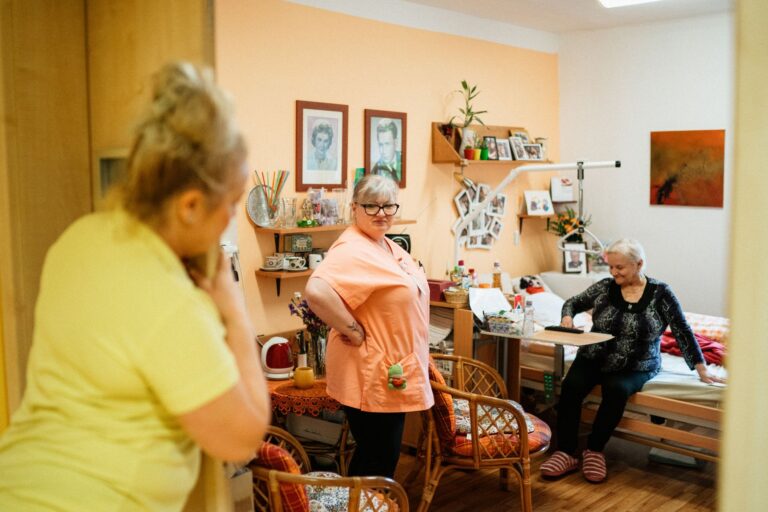
Multisensory life story tools—music, scents, tactile objects—reach people with late-stage dementia when words no longer can, creating moments of engagement and reducing behavioral distress.
Life story books help late-stage dementia patients feel understood through familiar photos and memories while guiding caregivers toward person-centered care.
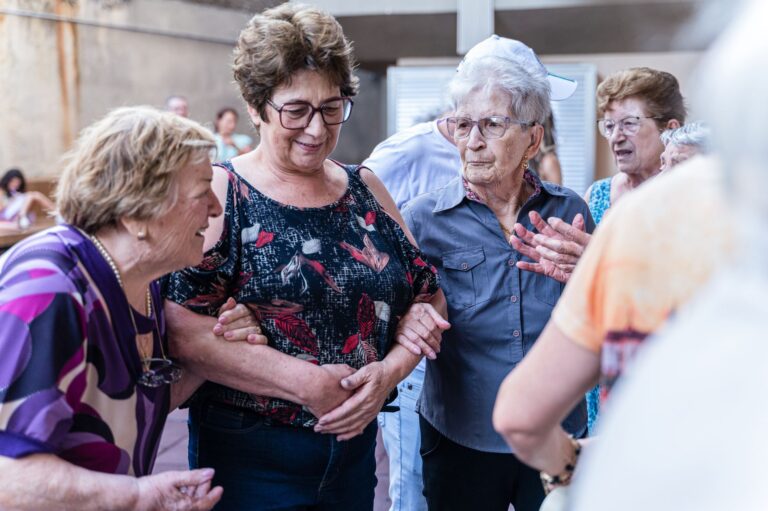
When autobiographical memory fades, music, texture, and hands-on activities engage preserved memory systems that narrative recall no longer reaches.

No schedule exists for offering a life story book — here's what the six-session figure really measures, and what to watch instead.

Learn when to begin a life story book, how to pace sessions, and how to keep reminiscence supportive rather than stressful.

Use fewer photos, simpler pages, and current preferences to make a life-story resource calmer and more useful.

Build a meaningful life story book through manageable prompts, family collaboration and careful attention to distress or refusal.
HelpDementia.com
Dementia, Alzheimer's, Caregiving & Healthy Aging Guidance
© 2026 HelpDementia.com. All rights reserved.
Educational information only. It is not medical advice and does not replace care from a qualified clinician.