Life Story Books for Memory Care Groups: Setup, Supplies, and Safety
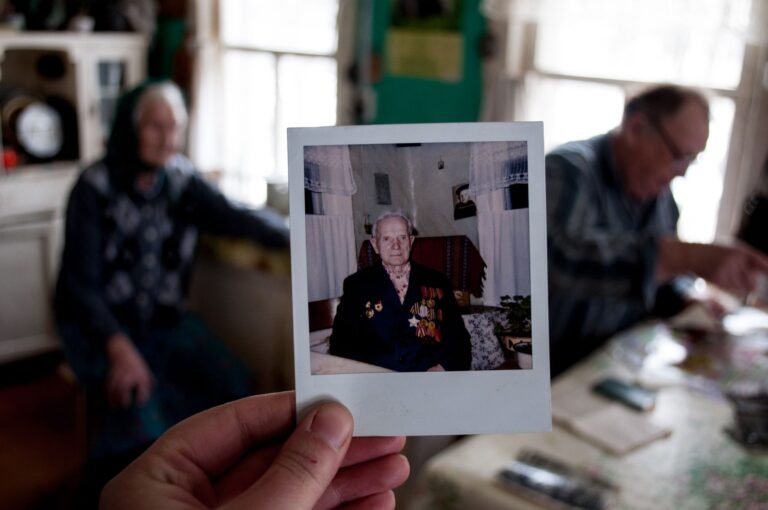
Learn how to run a safe, flexible life-story-book group that supports conversation without turning memory into a test.
Learn how to run a safe, flexible life-story-book group that supports conversation without turning memory into a test.

Find practical ways to match dementia home activities to changing interests, with examples and signs to pause.

Learn how to time life story book sessions, follow the person's cues, and prevent a comforting activity from causing distress.

Simple themes, readable pages, gentle captions, and flexible formats can make life story books more useful in dementia home care.

Create a gentle life-story book that helps home caregivers spark familiar, person-centered moments of connection.

Learn how to recognize genuine interest in a dementia life story book, respond to distress, and keep reminiscence sessions safe.
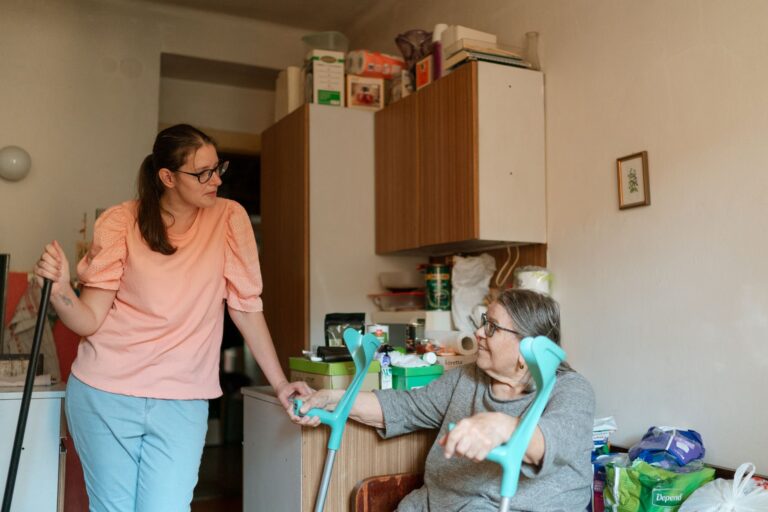
Create a flexible life story book that helps home caregivers recognize preferences, begin calmer conversations, and adjust care with dignity.

Build a clear, durable life story book that supports meaningful dementia care conversations while protecting privacy and comfort.

Learn how to replace a life story book with simple sensory activities that match a person's changing attention and comfort.

Learn how to use a life story book in late-stage dementia for brief, sensory moments of comfort without testing memory.
HelpDementia.com
Dementia, Alzheimer's, Caregiving & Healthy Aging Guidance
© 2026 HelpDementia.com. All rights reserved.
Educational information only. It is not medical advice and does not replace care from a qualified clinician.