When someone with middle-stage dementia loses interest in life story books, research-backed alternatives can maintain engagement through different memory pathways. Life story books traditionally rely on reminiscence therapy—accessing autobiographical memories through personal photographs and objects—but this interest often diminishes as cognitive abilities decline in middle-stage dementia, according to a Cambridge Core systematic review.
The solution is not to abandon connection to the person's past, but to shift to activities that work with how the brain still functions: sensory experiences, music, procedural tasks, and group activities. This pivot does not mean the person no longer values their history or relationships. It means the method of accessing those connections must change.
Medical information disclaimer: This article is for general educational purposes only and does not provide medical advice, diagnosis, or treatment. Always consult a physician or other qualified health professional about symptoms, medications, tests, or treatment decisions.
Table of Contents
- Why Reminiscence Interest Fades in Middle Stages
- Sensory Experiences and Music
- Hands-On and Creative Activities
- Group and Collaborative Approaches
- Choosing and Sustaining New Activities
- Frequently Asked Questions
Why Reminiscence Interest Fades in Middle Stages
Life story books depend on episodic memory—the brain system that recalls sequences of autobiographical events. As middle-stage dementia progresses, retrieving and following personal narratives becomes difficult, and the emotional benefit often diminishes.
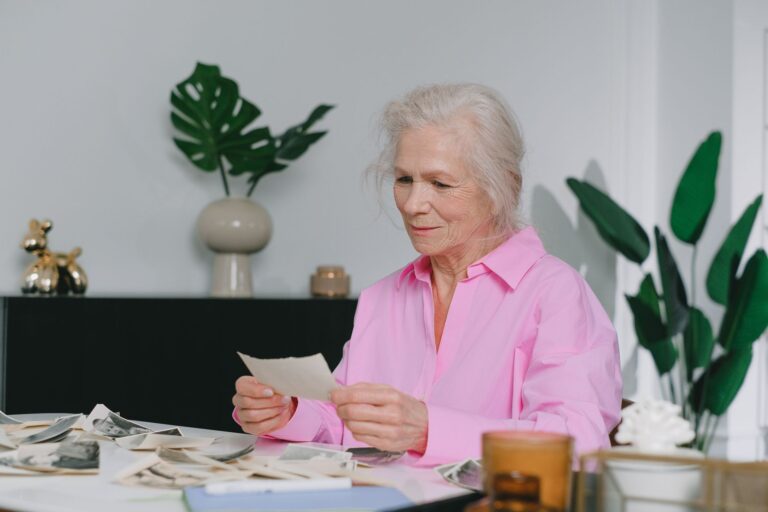
The cognitive effort required to process the book can outweigh any comfort it provides. Caregivers who documented what someone loved *before* cognitive decline can redirect that knowledge into new formats rather than assume the person no longer values their past. A person who once treasured family stories might now respond better to a single photograph with minimal text, a recorded voice, or a family member speaking one brief anecdote aloud—rather than navigating a bound book requiring sustained attention.
Sensory Experiences and Music
When narrative memory fails, multisensory engagement activates preserved pathways in the brain. Multisensory stimulation—combining touch, scent, sight, and sound—improves mood and communication without requiring complex cognitive processing when reminiscence interest wanes, according to NIH research. A caregiver might present a soft fabric reminiscent of childhood, play a song from youth, and share a brief memory simultaneously, creating emotional resonance without demanding factual recall.
Music therapy from formative years maintains cognitive function and reduces neuropsychiatric symptoms even when factual memory recall fails, according to research published in Sage Journals. Engagement and emotional response often emerge from songs that no longer trigger autobiographical memories. Pairing music with visual cues—old album covers, concert photos—or gentle movement deepens the sensory experience and extends engagement naturally.
Hands-On and Creative Activities
Procedural memory—the brain's system for learned skills and automatic actions—remains largely intact even as autobiographical memory declines. Procedural activities like folding, sorting, or calculator use engage implicit memory systems when episodic memory fails, enabling meaningful engagement without biographical recall, according to the Parent Care Guide. A former accountant, gardener, or artist often responds powerfully when invited to do something familiar—the action itself carries meaning and generates satisfaction.
Art activities such as painting, drawing, or clay work provide non-verbal expression and adult-level creative engagement without requiring reading or narrative recall, according to U.S. News Health. These succeed best when a caregiver initializes—setting up supplies, demonstrating the first brushstroke—because independent starts become difficult. Once begun, participation typically flows naturally.
Group and Collaborative Approaches
Individual reminiscence work can feel isolating and cognitively demanding in middle stages. Cognitive stimulation therapy in groups produces measurable improvements in cognition and social interaction, with effects on quality of life when tailored to the individual, according to the Lancet Commission.
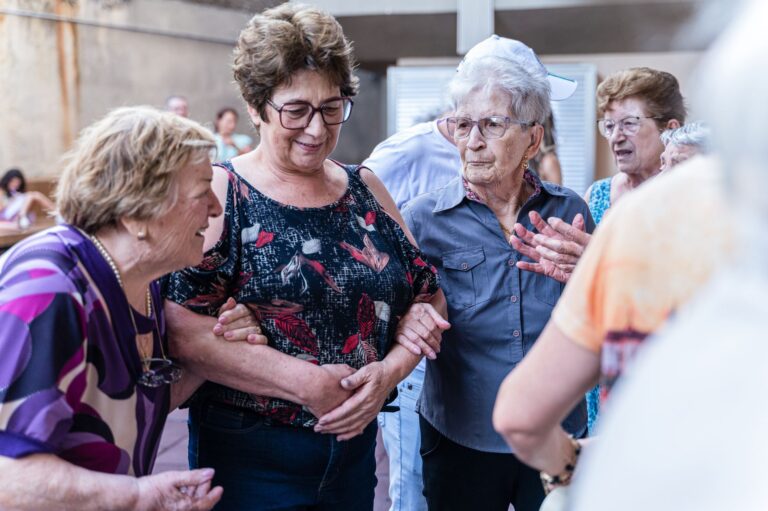
Group formats reduce pressure and create peer connection—singing together, cooperative games, or craft circles allow participation at the person's own pace without singling anyone out. Collaborative activity programs adapted to changing capabilities produce superior outcomes by combining tailored engagement with group dynamics and positive social experiences, according to Gerontology research. Mixing formats—music plus movement, art plus conversation, procedural tasks plus social time—yields better results than any single intervention alone.
Choosing and Sustaining New Activities
Selecting effective alternatives requires knowing what the person still responds to and matching activities to current abilities. Short-form materials—picture books, single articles, family letters—replace longer life story books when attention and memory decline, while maintaining emotional and sensory engagement through familiar imagery, according to A Place for Mom.
If someone can no longer sustain a ten-page narrative, a two-minute family video or single framed photograph with a brief anecdote often succeeds. Start with observation: what does the person naturally reach for, smile at, or engage with? Effectiveness depends on matching activities to the individual's current sensory and cognitive profile—not applying one method uniformly—and these interventions require staff time for one-to-one or small-group delivery, according to NIH systematic reviews. Trial and adjustment are essential; caregivers should watch responses closely and pivot when initial choices do not produce engagement or calm.
Frequently Asked Questions
My parent used to treasure old photos but now shows no interest. Does this mean other alternatives will fail too?
Not necessarily. Many people who lose interest in looking at photos still respond to music, textures, scents, or simple repetitive activities. Responsiveness varies by which memory systems remain intact, so trying alternatives often succeeds where reminiscence fails.
Can I still use life story books alongside alternatives, or should I stop completely?
Combination approaches often work best. A brief reminiscence moment—one photo, one short anecdote—followed by music or hands-on activity can leverage what remains while avoiding cognitive overload.
How much staff time do these alternatives require?
Effectiveness typically improves with one-to-one or small-group delivery, but group activities and recorded music can reduce labor demands. Some facilities use simplified sensory kits or group formats to make alternatives more sustainable.