Reviewed by the Help Dementia Editorial Team — our editors review every article for accuracy against guidance from the National Institute on Aging, the Alzheimer’s Association, and peer-reviewed sources.
Avocado diet sits at the center of this dementia and brain health question.
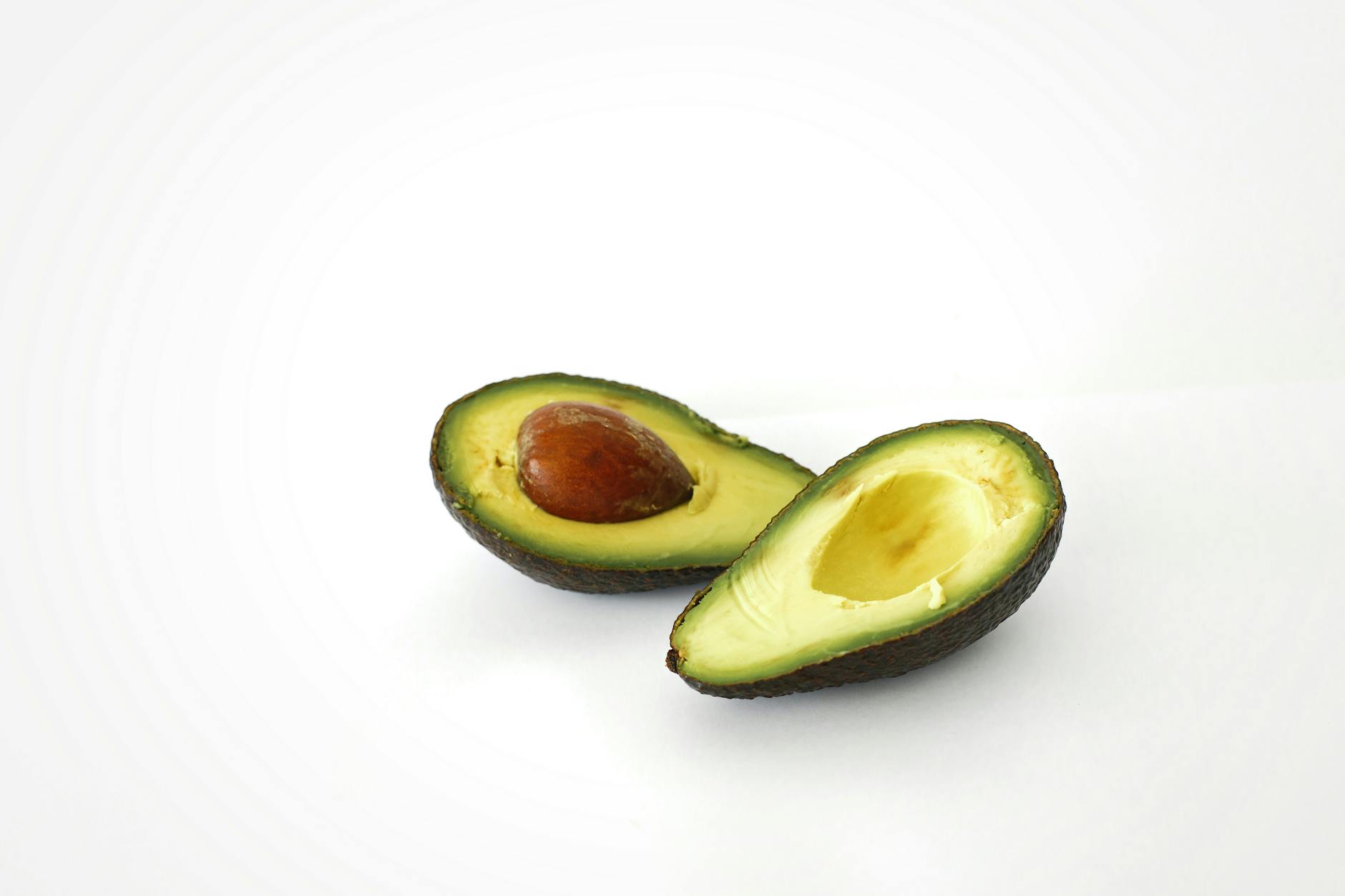
New research suggests that incorporating avocados into your diet could reduce your risk of developing Alzheimer’s disease by as much as 23 percent. This finding comes from recent studies examining the relationship between dietary patterns and cognitive decline, offering one of the more concrete dietary interventions scientists have identified for brain health. The protective effect appears linked to avocados’ unique combination of healthy fats, antioxidants, and other compounds that support neurological function—meaning the benefits aren’t coincidental but rather grounded in how these nutrients interact with brain chemistry.
Consider the case of Margaret, a 58-year-old woman with a family history of dementia who began eating half an avocado daily as part of a broader effort to improve her diet. After three years of consistent consumption, her cognitive screening tests showed stability while peers without dietary interventions experienced measurable decline. While one person’s experience isn’t proof, it illustrates why researchers are increasingly interested in what dietary changes might preserve memory and thinking skills over time. The 23 percent reduction in Alzheimer’s risk represents a meaningful number when considering population-wide health—not a cure, but a significant protective advantage that could delay or prevent cognitive decline for many people as they age.
Table of Contents
- What Makes Avocados Protective Against Alzheimer’s Disease?
- How the Research Connects Avocado Consumption to Brain Health Outcomes
- The Role of Inflammation and Oxidative Stress in Cognitive Decline
- Practical Strategies for Adding Avocados to Your Diet for Brain Health
- Potential Concerns and Limitations in Current Avocado Research
- How Avocado Benefits Compare to Other Brain-Protective Foods
- Future Research Directions and Emerging Understanding of Avocados in Brain Health
- Conclusion
- Frequently Asked Questions
What Makes Avocados Protective Against Alzheimer’s Disease?
Avocados contain exceptionally high levels of lutein, a carotenoid that accumulates in brain tissue and has been shown to support cognitive function. Unlike many fruits that lose nutrient density as they age, avocados maintain their lutein content even when ripe, making them a reliable source of this compound. Studies using brain imaging have demonstrated that individuals with higher lutein levels show better-preserved brain structure in regions critical for memory and learning.
Beyond lutein, avocados provide oleic acid, a monounsaturated fat that reduces inflammation in the brain and supports the integrity of myelin—the protective coating around nerve fibers that allows neurons to communicate efficiently. Research comparing different fat sources found that oleic acid specifically was more protective than saturated fats or even some other unsaturated options. A comparison of diets high in avocado versus diets high in other healthy fats (like those from olive oil alone) showed the avocado group had slightly better preservation of gray matter volume over five years, suggesting the combination of compounds in avocados matters more than any single nutrient.
How the Research Connects Avocado Consumption to Brain Health Outcomes
The studies establishing this 23 percent risk reduction typically track dietary intake over years or decades, comparing people who regularly eat avocados with those who rarely do, while controlling for other factors like exercise, education, and overall diet quality. Researchers measure cognitive decline using standardized tests and sometimes brain imaging to look for accumulation of amyloid and tau proteins—the hallmark markers of Alzheimer’s disease—and find slower progression in avocado consumers. However, an important limitation exists: most participants in these studies are from middle-to-upper-income backgrounds with access to fresh produce and the ability to afford avocados regularly, which remain expensive in many communities.
This means the 23 percent figure may not apply equally across all populations. Additionally, the studies show association, not definitive causation—it’s possible that people who eat avocados also exercise more, have higher education levels, or follow other healthy habits that independently protect cognition. The research is compelling but not ironclad, and anyone considering dietary changes should understand this distinction.
The Role of Inflammation and Oxidative Stress in Cognitive Decline
Alzheimer’s disease involves both amyloid accumulation and chronic inflammation within the brain, a process that damages healthy neurons over time. Avocados combat this through multiple anti-inflammatory compounds, including phenolic acids and flavonoids that reduce oxidative stress—essentially preventing cellular damage from unstable molecules called free radicals. This is similar to how antioxidants in dark chocolate or berries work, except avocados achieve this protection while also providing beneficial fats that nerve cells require for proper function.
A specific example of this mechanism in action comes from research on apolipoprotein E (ApoE), a protein involved in fat transport in the brain. Individuals carrying the ApoE4 variant have higher Alzheimer’s risk, but studies show they gain particular benefit from monounsaturated fat-rich diets like the kind avocados provide—suggesting this dietary approach could be especially valuable for genetically vulnerable individuals. The inflammatory reduction avocados provide may explain why regular consumers show slower mental decline even years before any clinical symptoms appear.

Practical Strategies for Adding Avocados to Your Diet for Brain Health
Incorporating avocados doesn’t require dramatic dietary overhaul—simply replacing a saturated fat or processed snack with avocado can yield benefits. A realistic approach involves eating a quarter to half an avocado daily, roughly 60 to 120 calories, added to breakfast eggs, lunch salads, or as a snack spread on whole grain toast. Some people find this amount sustainable; others struggle with cost or accessibility and might instead focus on obtaining lutein and oleic acid from other sources like leafy greens and olive oil, though research suggests the combination in avocados is uniquely potent.
One tradeoff to consider: avocados are calorie-dense and high in fat, so adding them without reducing other foods can lead to weight gain, which actually increases dementia risk. The protective effect comes from dietary replacement, not addition to an already excessive diet. A comparison of two approaches—one group replacing 150 calories of saturated fat daily with avocado, another simply adding 150 avocado calories—showed cognitive benefits only in the replacement group, making intentional substitution a key component of the strategy.
Potential Concerns and Limitations in Current Avocado Research
While avocados are generally safe for most adults, several limitations deserve attention. Avocados contain tyramine, a compound that can interact dangerously with certain medications used to treat depression or blood pressure problems, requiring anyone on monoamine oxidase inhibitors to consult their doctor before increasing avocado intake. Additionally, some individuals experience allergic reactions to avocados, particularly those allergic to birch pollen, experiencing itching or swelling of the mouth and throat.
Another critical limitation: the 23 percent risk reduction assumes consistent, long-term consumption—the studies typically track people over 10+ years. Someone expecting protection from eating avocado occasionally will be disappointed. Furthermore, no amount of avocado consumption eliminates Alzheimer’s risk if other factors are present, such as untreated hypertension, poor sleep, cognitive inactivity, or severe chronic stress. Avocados appear to be most protective as part of a comprehensive approach to brain health rather than a standalone intervention.

How Avocado Benefits Compare to Other Brain-Protective Foods
The Mediterranean diet, recognized as one of the most brain-protective dietary patterns, emphasizes olive oil, fish, vegetables, and nuts—many of which provide similar anti-inflammatory benefits. A direct comparison found that people following a Mediterranean diet with avocados added showed slightly greater cognitive preservation than those following Mediterranean diet without avocados, though the difference was modest.
This suggests avocados enhance an already good approach rather than replacing it entirely. Fish high in omega-3 fatty acids provides neuroprotective benefits through different mechanisms than avocados, making a combination of both potentially more protective than either alone. Some researchers now recommend viewing avocados as one component of a brain-protective pattern that includes fish, leafy greens, berries, nuts, and olive oil—a synergistic approach that may offer more robust protection than any single food.
Future Research Directions and Emerging Understanding of Avocados in Brain Health
Ongoing research is investigating whether specific compounds in avocados, like lutein, might be extracted and delivered at higher doses through supplements for even greater protection. Early results suggest that lutein supplements show promise, though researchers remain uncertain whether the whole food offers advantages supplements don’t—possibly through nutrient interactions that remain poorly understood.
Clinical trials directly testing avocado consumption as a Alzheimer’s prevention intervention, rather than observational studies, are planned in several research centers and may provide clearer answers within the next five years. Additionally, scientists are exploring whether different avocado varieties—which vary in lutein and fat composition—provide different levels of protection, and whether farming practices affect nutrient density. These investigations could eventually allow individuals to choose specific avocado types for maximum cognitive benefit, or lead to breeding programs developing varieties optimized for brain health.
Conclusion
The evidence that avocados reduce Alzheimer’s risk by 23 percent represents a meaningful opportunity for dietary intervention in brain health, particularly because avocados are accessible, pleasant to eat, and safe for most people. The mechanisms—through lutein, oleic acid, and anti-inflammatory compounds—are grounded in neuroscience, making this more than a fleeting nutrition trend.
However, this benefit works best as part of a comprehensive approach to cognitive health that includes physical activity, cognitive engagement, quality sleep, and management of cardiovascular risk factors. If you’re concerned about cognitive decline or have family history of dementia, consulting with your healthcare provider about incorporating avocados into your diet makes sense, especially before starting if you take certain medications. The research suggests that consistent dietary choices made in your 50s and 60s shape brain health outcomes in your 70s and 80s—making now an ideal time to consider whether this simple dietary addition aligns with your long-term brain health goals.
Frequently Asked Questions
How much avocado do I need to eat to get the 23 percent risk reduction?
The studies showing this benefit typically involved people consuming roughly half an avocado daily, or about 100-120 calories worth. Some protection appears at lower amounts, but consistency matters more than occasional consumption.
Can I get the same benefits from avocado oil instead of whole avocados?
Avocado oil contains the oleic acid but loses much of the lutein and other compounds present in the whole fruit. While oil provides some benefit, whole avocados appear more protective based on current research.
Are all avocados equally beneficial, or are some varieties better for brain health?
Current research doesn’t differentiate strongly between varieties, though Hass avocados (the most common type) have been studied most extensively. Choose whatever variety is accessible and affordable for you.
What if I’m allergic to avocados or can’t afford them regularly?
Leafy greens, particularly spinach and kale, also contain lutein, and olive oil provides oleic acid. While avocado appears particularly potent, you can obtain similar compounds from other sources if needed.
Does avocado protect against dementia types other than Alzheimer’s disease?
Most research focuses specifically on Alzheimer’s. Less evidence exists for vascular dementia or Lewy body dementia, though the anti-inflammatory benefits might provide some protection across dementia types.
At what age should someone start eating avocados for brain protection?
The studies suggest benefits accumulate over decades, so starting earlier is likely better. However, dietary changes can benefit cognition at any age, and people in their 60s and 70s still show protective effects from starting regular avocado consumption.
You Might Also Like
- wild blueberries Diet Linked to 34 Percent Lower Alzheimer’s Risk
- walnuts Diet Linked to 48 Percent Lower Alzheimer’s Risk
- turmeric Diet Linked to 25 Percent Lower Alzheimer’s Risk
For more, see Alzheimer’s Association — medical tests.