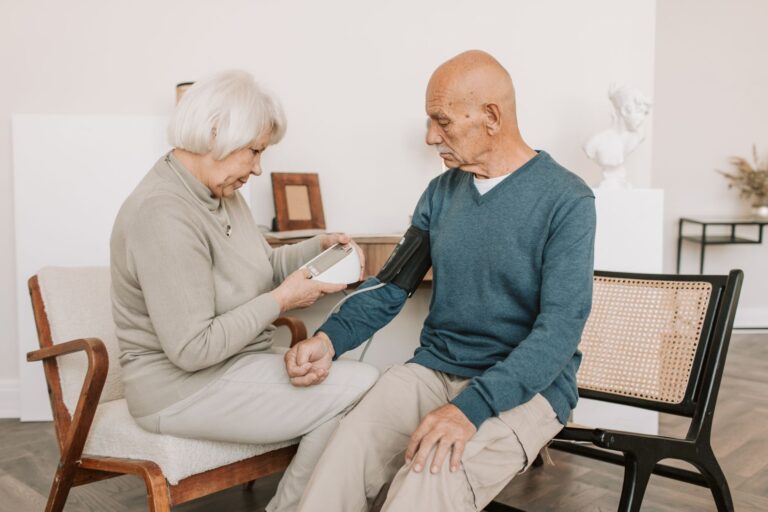
Simple card games, sing-alongs, and favourite music help caregivers keep dementia patients engaged during holiday car rides. Dementia is a decline in memory and thinking that makes new places and long travel confusing.
Familiar play keeps the ride calm and connected. Island Health advises sing-alongs, simple card games, and favourite music to keep travelers engaged on long car rides Island Health vacation and travel tips. Short games and known songs fit limited space and short attention spans.
Medical information disclaimer: This article is for general educational purposes only and does not provide medical advice, diagnosis, or treatment. Always consult a physician or other qualified health professional about symptoms, medications, tests, or treatment decisions.
Table of Contents
- Which car games work best?
- How can music calm and engage?
- How do you plan a calmer travel day?
- What safety limits should caregivers respect?
Which car games work best?
Stick to one favorite card game the person already knows. The National Council of Certified Dementia Practitioners reports that familiar rhythms such as a favorite card game help travelers retain continuity away from home traveling with dementia guide. Keep rules simple and hands-on. Play with large cards, match colors or suits, and let the person set the pace.
Stop if focus fades, then switch to music. Add a sing-along as the second game. Take turns picking well-known songs and singing the chorus together. Clap, hum, or tap along when words are hard.
How can music calm and engage?
Use favourite tunes for fun and soothing music for stress. Seniors Lifestyle Magazine notes that soothing music can calm agitation or anxiety, while favorite tunes support a fun car sing-along caregiver tips for traveling with dementia. Make each song interactive.
The National Institute on Aging suggests playing well-known songs, discussing the singer, asking what the person was doing when the song was popular, and singing along adapting activities guide. Watch for overload. Keep volume low, play one song at a time, and pause between songs. Avoid giving many directions or background facts at once.
How do you plan a calmer travel day?
Keep the normal daily rhythm. Serve meals, rest, and games at usual times. Drive during the person's best time of day and take frequent rest breaks. Pack a small activity bag within reach.
Include water, snacks, medications, the trip itinerary, cards, and a music playlist. Limit outings to one or two events per day so the person does not tire. Plan ahead for warning signs. The Alzheimer's Association advises caregivers to plan ahead, learn warning signs of anxiety and agitation, and avoid overloading the person with directions or information travel safety page.
- watch for pacing words, fidgeting, raised voice, or withdrawal
- offer a drink, a familiar song, or a short walk
- give one short instruction at a time
What safety limits should caregivers respect?
Never leave a person with dementia alone in the car during stops. Bring the person with you or take turns staying behind with another adult. Travel can increase worry and confusion, especially in later stages.
Ask a doctor before a holiday trip and reconsider long drives if distress is frequent. Use breaks to reset. Park in a quiet spot, offer the bathroom, stretch, and drink water. Then restart with a familiar song or easy card hand.